
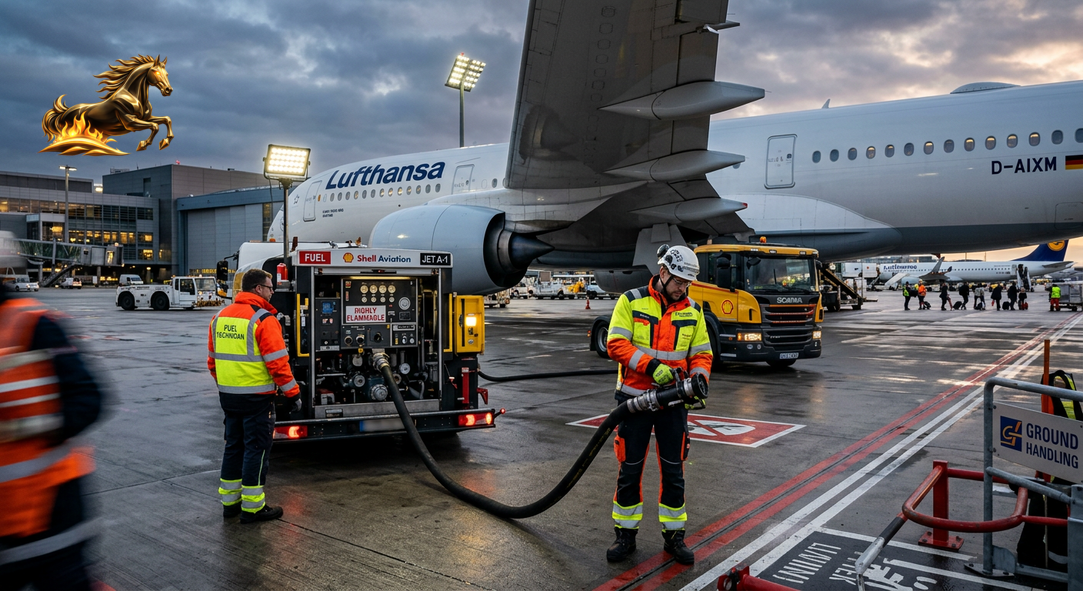
Jet A-1: Your Expert Guide to Aviation Fuel Quality, Standards, Risks, and Real-World Operations
Jet A-1 aviation turbine fuel is the lifeblood of modern air travel, yet it’s often a hidden hero—overlooked by passengers and even some aviation insiders. Every flight, from long-haul international journeys to crucial military missions, depends on Jet A-1’s consistent, high-performance reliability under extreme conditions. Given its vital role, understanding the quality, standards, risks, and operational nuances of Jet A-1 fuel is essential for everyone involved in aviation and petroleum industries.
This expert guide unpacks everything you need to know about Jet A-1: what it is, the key quality benchmarks, the risks tied to its handling, and how top professionals manage it through the complex aviation fuel supply chain. Whether you’re a petroleum expert, aviation operator, fuel trader, or quality assurance specialist, mastering this knowledge safeguards safety, compliance, and operational excellence in your work.
What Is Jet A-1? Understanding the Basics
Jet A-1 is a kerosene-based aviation turbine fuel widely used in aircraft powered by gas turbine engines—including commercial jets, cargo planes, business aircraft, military jets, and helicopters. It belongs to the broader category known as jet fuel but stands out due to its specialized properties.
The main difference between Jet A and Jet A-1? The freezing point. Jet A freezes at -40°C, while Jet A-1 meets a stricter standard of -47°C. This lower freezing threshold enables Jet A-1 to perform reliably during high-altitude and international flights where temperatures can plunge dramatically. Consequently, Jet A is mainly used in the U.S., but Jet A-1 dominates global markets.
Understanding this distinction is critical—it shapes fuel procurement, operational planning, and compliance protocols.
Why Jet A-1 Quality Matters in Aviation and Petroleum Operations
Jet A-1 stands at the crossroads of aviation safety, engine performance, and the economics of the petroleum industry. For aviation, fuel quality influences flight safety, engine reliability, fuel efficiency, maintenance expenses, aircraft range, and scheduling integrity. On the petroleum side, it drives refinery operations, logistics, global trade, regulation, and contract fulfillment.
Fuel costs represent one of the largest airline expenses. Supply interruptions or price swings ripple throughout global aviation, triggering delays, diversions, and lost revenue. Adding to the complexity, the increasing use of sustainable aviation fuel (SAF) blends with Jet A-1 requires ongoing adaptation to evolving specs and certification demands.
The bottom line: maintaining Jet A-1 quality is not just technical—it’s a crucial business and safety priority across multiple sectors.
Jet A-1 in the Aviation Fuel Supply Chain: From Crude to Cockpit
Jet A-1 touches numerous hands and processes before fueling an aircraft, including refining, chemical treatment, testing, transportation, storage, and final handling.
Every step presents risks of contamination or quality degradation—water ingress from condensation, particulate intrusion, incorrect additive dosing, or documentation mistakes. That’s why Jet A-1 quality assurance is a continuous, cradle-to-wing discipline demanding attention and vigilance.
Professionals managing receiving terminals, hydrant systems, or refueling operations must exercise meticulous care to protect fuel integrity.
Core Jet A-1 Standards: Navigating ASTM D1655 and DEF STAN 91-091
Jet A-1 quality is primarily governed by two key specifications:
- ASTM D1655: The definitive standard for civil aviation turbine fuel, covering everything from composition and volatility to additives and contaminants. It’s referenced extensively in commercial contracts, certificates, and regulations worldwide.
- DEF STAN 91-091: The UK Defence Standard, also used internationally in military and joint civil-military operations. While it overlaps ASTM requirements, it includes distinct language and extra criteria.
Choosing and applying the correct standard ensures compliance and smooth operations. Misapplication can lead to fuel rejection or costly delays—even if the physical fuel itself is of acceptable quality.
Key Technical Properties of Jet A-1 You Must Know
Controlling Jet A-1’s performance hinges on critical technical properties:
- Flash Point (min. 38°C): Essential for safe handling and fire risk mitigation.
- Freezing Point (max. -47°C): Guarantees fluidity at cruising altitudes.
- Density: Influences aircraft loading and energy content.
- Distillation Range: Affects combustion and volatility profile.
- Thermal Stability: Resists deposits forming at high temperatures.
- Water Separation: Vital for removing free and entrained water to prevent ice and microbial growth.
- Particulate Contamination: Must be tightly controlled to protect engines and filters.
- Electrical Conductivity: Managed to dissipate static electricity hazards.
Each property requires precise testing and documentation as part of quality acceptance before fueling.
Water Contamination: The Underrecognized Threat
Water contamination remains one of the most persistent and dangerous challenges in Jet A-1 fuel quality. It enters fuel systems through condensation, leaks, or faulty equipment and may be dissolved, entrained, or free water.
At altitude, even tiny amounts of water can freeze, blocking fuel lines and filters and fostering microbial growth that degrades fuel and infrastructure.
Effective water management includes regular tank draining, vigilant sampling, sensor monitoring, microbial testing, and prompt maintenance—no aspect of water control should be underestimated.
Additives in Jet A-1: Controlled Enhancements
Additives like static dissipaters and antioxidants improve Jet A-1 performance, reduce ignition risks, and guard against degradation. But their use is strictly governed because improper dosing can compromise quality, interfere with water separation, or void aircraft warranties.
Precise additive management, careful documentation, and alignment with both specifications and customer needs are imperative.
Recertification: Keeping Quality Assured Over Time
Jet A-1 initially meeting specifications may require recertification after storage, transfer, or suspected contamination. This involves retesting, verifying documentation, and, if needed, corrective actions.
Recertification is a vital safety step—not mere bureaucracy—to ensure ongoing compliance and trust through the fuel lifecycle.
Airport Supply Chain: Practical Rules to Safeguard Fuel Quality
Airports present complex challenges for Jet A-1 stewardship with multiple tanks, hydrant systems, refueler trucks, and delivery points.
Protecting fuel quality demands strict adherence to sampling protocols, routine filtration, tank maintenance, and accurate transfer documentation. Professionals must blend global standards knowledge with local operational realities.
Essential Skills for Jet A-1 Professionals
Mastery involves more than book knowledge:
- Interpreting test data and trends quickly and accurately.
- Diagnosing and resolving contamination issues.
- Managing additive dosing and verification.
- Coordinating recertification procedures.
- Ensuring regulatory and contractual compliance.
These skills empower you to maintain fuel quality and safeguard operations efficiently.
Step-by-Step Jet A-1 Quality Assurance Workflow
- Define specs and contract obligations precisely.
- Collect representative samples per procedure.
- Perform initial visual inspections (color, water presence).
- Conduct standardized testing of key parameters.
- Assess water and particulate contamination levels.
- Verify additive types and concentrations.
- Evaluate results against relevant standards.
- Decide product release, hold, reprocess, or reject.
- Document all findings and corrective actions meticulously.
This structured approach prevents lapses and assures traceability.
Recognizing Red Flags and Proactive Responses
Warning signs—flash points below minimum, freezing points rising, visible water or particulates, rapid filter clogging, missing documentation, or irregular additives—demand immediate investigation and action.
Ignoring these risks compromises safety, causes operational disruptions, and invites financial penalties.
Real-World Lessons from Jet A-1 Operations
- Documentation Mismatches Delaying Shipments: Align contracts and specs meticulously to avoid costly hold-ups.
- Water Contamination at Airport Storage: Infrastructure repairs and better processes solved persistent ingress issues.
- Additive Mismanagement Causing Maintenance Headaches: Precise dosing and record-keeping prevent costly engine problems.
These cases highlight the intertwined technical, operational, and administrative dimensions of fuel quality management.
The High Stakes: Risks Impacting Legal, Financial, Operational, Safety, and Environment
Jet A-1 quality failures can trigger disputes, regulatory sanctions, flight delays, soaring costs, reputational damage, safety incidents, and environmental harm.
Strong quality programs and transparent documentation protect stakeholders and maintain trust across the aviation ecosystem.
Jet A-1 and Sustainable Aviation Fuel (SAF): The Future Is Blended
SAF blends with Jet A-1 reduce lifecycle carbon emissions but introduce new complexities in quality control, blend ratios, and certification.
As SAF adoption grows, staying abreast of evolving standards and supply chain transparency is essential.
Key Documents and Terms You Must Know
Become fluent in:
- ASTM D1655 and DEF STAN 91-091 specs
- Certificates of Quality and Analysis
- Safety Data Sheets (SDS)
- Additive batch records
- Sampling and testing methodologies
Terms like flash point, freezing point, density, thermal stability, water separation, particulate contamination, and conductivity are foundational to daily operations.
A 30-Day Plan to Become Jet A-1 Proficient
- Week 1: Grasp Jet A-1 fundamentals, uses, and standards.
- Week 2: Practice interpreting quality documents and test results.
- Week 3: Run simulations on contamination troubleshooting and fuel decisions.
- Week 4: Deepen compliance, risk management, and communication skills.
Following this roadmap builds competence and confidence swiftly.
Expert Checklist: Are You Ready to Manage Jet A-1?
- Differentiate Jet A vs. Jet A-1 and explain freezing point impacts?
- Understand why flash point and density matter operationally?
- Can you assess a Certificate of Quality with confidence?
- Recognize contamination signs and apply corrective actions?
- Know when and how to initiate recertification?
- Manage additive dosing and maintain records?
- Familiar with ASTM and DEF STAN fuel standards?
- Understand safeguards in airport fueling infrastructure?
- Respond appropriately to suspect fuel samples?
- Aware of SAF blending effects and documentation requirements?
If yes—you’re operationally ready for Jet A-1 challenges.
Essential Resources for Deepening Your Jet A-1 Expertise
- ASTM International publications and test method guides
- UK Defence Standardization Authority documentation
- IATA fuel quality and operational manuals
- Joint Inspection Group standards
- Technical literature from industry leaders (Shell, TotalEnergies, ExxonMobil)
- Regulatory bodies (FAA, EASA) guidelines
- Peer-reviewed studies on contamination and safety
Pair study with hands-on experience—terminal visits, supervised sampling—for best results.
Final Words of Expert Advice: Master the Science, Systems, and Safety Culture of Jet A-1
Jet A-1 is far beyond a simple commodity—it’s a safety-critical product demanding constant attention to quality, documentation, and operational discipline. Keep these principles top of mind:
- Standards Are Non-Negotiable: Treat them as mandatory requirements.
- Contamination Can Happen Anytime: Maintain constant vigilance.
- Water Contamination Is High-Risk: Implement proactive controls rigorously.
- Additives Require Precise Management: Stay strictly within specs.
- Recertification Protects Safety: Don’t dismiss it as red tape.
- Documentation Builds Trust: If it’s not documented, it didn’t happen.
- Clear Communication Prevents Incidents: Foster openness at every stage.
- Safety Over Schedule: Never compromise fuel quality for speed.
As aviation advances with SAF and new tech, Jet A-1 expertise remains indispensable. Mastery protects aircraft, passengers, and the integrity of global aviation.
In Jet A-1 operations, well-informed professionals uphold the essential chain of trust—ensuring top-quality aviation fuel flows from refinery to wing and keeps skies safe worldwide.
By embracing both the science and systems behind Jet A-1 management, you become a trusted steward of aviation safety and efficiency—empowered to face future challenges with knowledge and professionalism.
