
Understanding Crude Oil Share in 2026: Trends, Challenges, and Future Outlook
Crude oil remains a vital pillar of the global economy, influencing everything from fuel prices to geopolitics and environmental policies. As we step further into 2026, the landscape of crude oil production and consumption is shifting rapidly. This change is propelled by technological breakthroughs, geopolitical tensions, and a growing global commitment to sustainability. In this article, we dive into the current crude oil share worldwide, reveal key market trends, examine pressing challenges, and explore what lies ahead for this essential resource.
The Current State of Crude Oil Shares
What Is Crude Oil Share?
Crude oil share refers to the percentage of global oil production that a country or organization controls. This figure is crucial for investors, policymakers, and industry players to gauge a nation’s influence within the global oil market.
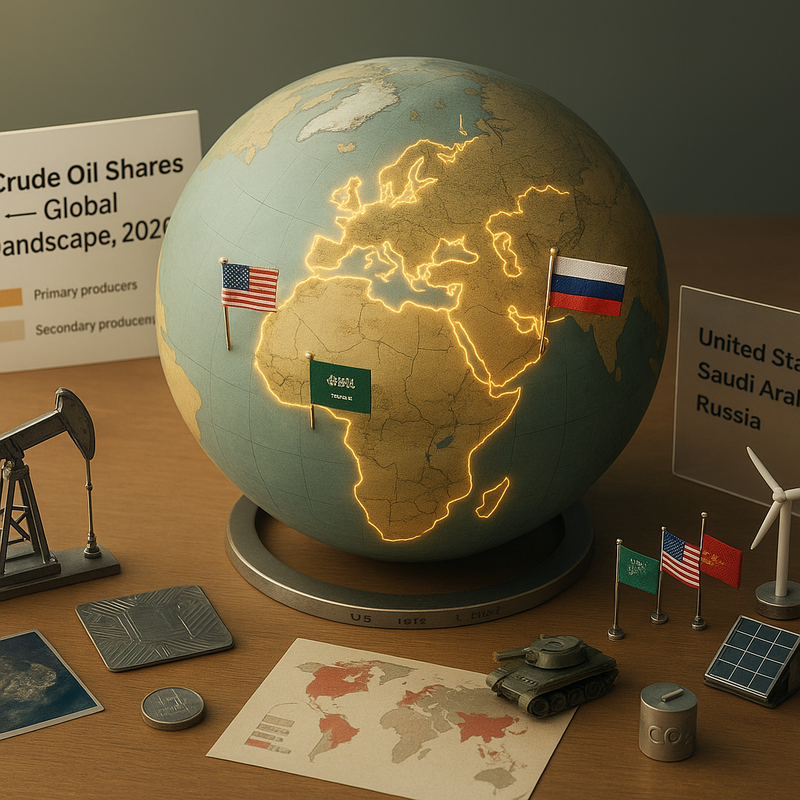
In 2026, heavyweights like the United States, Saudi Arabia, and Russia remain at the forefront.
- United States: Thanks to hydraulic fracturing and horizontal drilling innovations, the U.S. has surged its oil output, holding a top spot globally.
- Saudi Arabia: A key OPEC member, Saudi Arabia continues to steer global oil supply and price stability with its cost-effective production methods.
- Russia: Even amid geopolitical hurdles impacting exports, Russia retains a strong hand in the crude oil market.
Global Production and Consumption Patterns
The delicate balance between oil production and consumption reflects broader economic trends, energy policies, and technology shifts.
- Asia’s Growing Thirst for Oil: India and China fuel rising crude oil demand through expanding industries and consumer bases, dramatically shaping global oil consumption.
- Declining Fossil Fuel Use in the West: Europe and North America are cutting back on fossil fuel consumption, driven by robust climate initiatives and adoption of renewables like wind and solar.
- OPEC’s Pivotal Role: OPEC continues to actively manage production levels, maintaining market stability amid the ongoing energy transition.
Insight: Tracking crude oil shares helps clarify global economic power balances and political influence as energy demands evolve.
Trends Shaping Crude Oil Share
Game-Changing Technologies
Technological progress is revolutionizing crude oil extraction and refining, boosting efficiency and output.
- Fracking & Horizontal Drilling: These breakthroughs are unlocking previously untapped reserves, keeping the U.S. in the top producer league in 2026.
- Digitalization & AI: Using AI for real-time monitoring and predictive maintenance is streamlining production, cutting waste, and optimizing costs.
Geopolitical Influences
Geopolitics continue to sway crude oil markets significantly.
- Sanctions and Export Restrictions: Targeted sanctions on Russian oil have limited its market access, proving how policy shapes global supply chains.
- Regional Instability: Conflicts in oil-rich regions, notably the Middle East, cause price fluctuations and disrupt production, impacting global shares.
Environmental Pressures
Environmental concerns are reshaping the oil industry’s playing field.
- Energy Transition: The worldwide pivot toward renewables is decreasing fossil fuel demand and shrinking crude oil’s market share.
- Carbon Capture and Storage (CCS): Emerging CCS technologies offer a way to curb emissions from fossil fuel use, potentially extending crude oil’s relevance.
Post-Pandemic Market Shifts
COVID-19’s aftermath continues to influence oil consumption patterns.
- Recovery-Driven Demand: Industrial rebound and renewed travel are reviving demand, especially in developing countries.
- Economic Headwinds: Inflation and higher living costs may temper energy usage and consumption choices globally.
Insight: Navigating these technological, geopolitical, and environmental trends is key for stakeholders aiming to thrive in the evolving crude oil market.
Challenges Facing the Crude Oil Market
Price Volatility
Oil prices remain prone to sharp swings driven by political turmoil, natural disasters, and shifting demand — complicating investment and forecasting.
Regulatory Compliance
Tougher environmental laws impose hefty costs on producers, pushing them to invest in cleaner, more sustainable technologies that may strain profitability.
Renewables Competition
As renewable energy technologies grow cheaper and more efficient, crude oil faces stiff competition for market share.
Infrastructure and Investment Gaps
Many developing regions still lack the infrastructure needed for efficient oil production and distribution. Meanwhile, investors are increasingly favoring sustainable energy projects, making oil investment more challenging.
Insight: Resilience and innovation are essential for the oil industry to navigate these hurdles and sustain operations amid a transforming energy landscape.
Looking Ahead: Future Outlook for Crude Oil Shares
Growth Opportunities
Though global crude oil demand is forecasted to decline slowly, rapid industrialization in parts of South Asia and Africa promises ongoing growth.
Adaptation and Diversification
Success will come to those embracing cleaner extraction methods and augmenting their energy mix with renewables.
Market Evolution
Future energy markets will likely foster collaboration between traditional oil producers and renewable sectors, bolstered by innovations in energy storage and electric mobility.
Insight: Adapting strategically to environmental, technological, and market forces will shape crude oil share evolution in the coming decades.
Conclusion: Steering Through the Future of Crude Oil Shares
The crude oil market in 2026 is marked by swift shifts fueled by cutting-edge technology, geopolitical complexity, and a global drive for sustainability. Understanding these dynamics is crucial for stakeholders striving to stay relevant. By embracing innovation and sustainable practices, the oil industry can maintain its critical role while supporting a cleaner, greener energy future.
Key Takeaways
- The United States, Saudi Arabia, and Russia dominate global crude oil production.
- Technological advances and geopolitics significantly impact oil shares.
- Environmental regulations and renewables competition pose ongoing challenges.
- The future lies in diversification and clean energy integration.
Recommended Next Steps
Industry professionals and curious readers should:
- Keep abreast of renewable energy technologies reshaping global energy.
- Monitor crude oil market trends via reputable sources like the U.S. Energy Information Administration (EIA) and International Energy Agency (IEA).
- Follow policy developments around energy transitions and environmental standards.
For real-time data and insightful analysis, visit Investing.com and EIA.
By staying informed on these evolving factors, readers can better grasp the complex challenges and opportunities in the crude oil market as it advances through 2026 and beyond.
