
The US Oil Price in 2026: Trends, Factors, and Future Outlook
Current Landscape of US Oil Prices
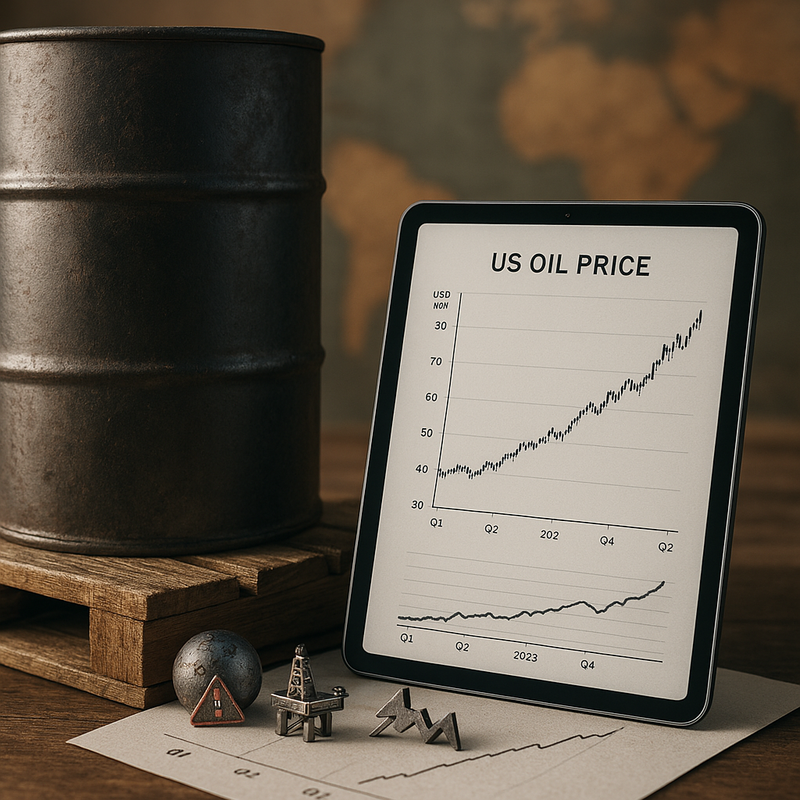
As of March 2026, West Texas Intermediate (WTI) crude oil stands at about $94.40 per barrel—a significant increase from recent years. This rise is fueled by a complex mix of geopolitical tensions, supply interruptions, and shifts in global demand. The Energy Information Administration (EIA) predicts Brent crude prices will hold above $95 per barrel for a brief period before easing toward $70 by the end of the year.
Key Stats at a Glance:
- WTI Price: $94.40 per barrel (March 2026)
- Brent Crude Forecast: Above $95/barrel for two months; dropping below $80 by Q3 2026
- Historical Comparison: From lows near $50 in 2020 to highs close to $100 in early 2026
This environment highlights the ongoing volatility and underscores the importance of monitoring US oil price movements closely.
What’s Driving US Oil Prices in 2026?
Geopolitical Tensions
Global political dynamics often lead to swift market shifts:
- Ongoing US–Iran tensions affect supply stability, with ceasefire talks sparking occasional market optimism.
- The Russia–Ukraine conflict continues to reshape supply routes, contributing to price swings.
Navigating these geopolitical elements is critical for predicting price changes.
Supply and Demand Fundamentals
Classic market forces remain pivotal:
- US production, particularly from shale, has increased, supporting supply and moderating prices domestically.
- Global demand is growing as economies recover post-pandemic, especially in transportation and industry sectors.
This tug-of-war between supply expansion and rising consumption sets the near-term price stage.
Technological Advances in Extraction
Innovation is redefining production dynamics:
- Enhanced hydraulic fracturing techniques boost efficiency and reduce extraction costs.
- The ongoing energy transition toward renewables may eventually depress oil demand but currently interacts with oil markets in complex ways.
Such advancements directly impact supply reliability and long-term demand trends.
Market Speculation
Trader sentiment and speculation often amplify price swings:
- Bulls riding economic recovery hopes push prices up.
- Conversely, fears over oversupply or geopolitical disruption can trigger rapid corrections.
Speculation adds another layer of complexity to US oil price volatility.
Historical Insights: Learning from Past Price Cycles
Past oil downturns shed light on today’s challenges:
- Between 2014 and 2016, prices plunged due to oversupply from OPEC’s steady output combined with US shale surges.
- This led to significant economic strain in oil-focused regions, emphasizing the global market’s interconnected risks.
Understanding this history helps stakeholders anticipate potential pitfalls ahead.
Regional Impact of Oil Prices Across the US
Texas: The Production Powerhouse
Leading US oil producer Texas gains from higher prices through job creation, investment inflows, and increased public revenues.
California: A Consumer’s Concern
Relying heavily on imported oil, California’s strict environmental rules mean price spikes hit consumers directly at the pump.
Midwest States: Industry and Agriculture
Higher oil prices raise costs for manufacturing and farming, influencing product prices and economic health regionally.
This regional nuance highlights the widespread yet varied effects of oil prices on the US economy.
Looking Ahead: The Future of US Oil Prices
Stabilization Post-Volatility
Better supply chain stability and market adjustments may bring more balanced pricing, with Brent crude potentially easing to around $70 by late 2026.
Environmental Regulations and Energy Transition
Growing renewable energy adoption and stricter regulations could gradually reduce demand, creating new market dynamics and pockets of volatility.
Continuous Technological Innovation
Ongoing breakthroughs in extraction and energy efficiency could expand supply capacity, making price forecasting increasingly complex.
Conclusion: Strategic Takeaways for Market Participants
US oil prices in 2026 are shaped by a layered mix of geopolitical factors, supply and demand shifts, technological progress, and market sentiment. For businesses and consumers, staying informed is key to strategic planning.
Key Considerations:
- Track geopolitical developments carefully—they directly affect price stability.
- Prepare budgets and strategies for potential price swings.
- Invest in clean energy solutions to align with evolving market and regulatory trends.
By understanding these drivers, stakeholders can better navigate the evolving US oil market landscape.
For up-to-date information and deeper analysis, explore resources like the Energy Information Administration (EIA) and OilPrice.com.
