
The Comprehensive Guide to Home LPG in 2026: Your Complete Resource
Introduction
As we move towards greener, more sustainable energy solutions, liquefied petroleum gas (LPG) remains a top choice for home fuel. Known for its efficiency, cleanliness, and flexibility, LPG continues to power households around the world. This comprehensive guide covers everything you need to know about home LPG in 2026—from its benefits and safety tips to practical uses and future trends—giving you the essential knowledge to make smart energy decisions.
What is LPG?
Understanding Liquefied Petroleum Gas
LPG, or Liquefied Petroleum Gas, is a flammable hydrocarbon mix mainly made of propane and butane. Sourced from natural gas processing and petroleum refining, LPG is stored as a liquid under pressure, ready to fuel heating, cooking, and even vehicles.
Why Choose LPG for Home Use?
LPG offers undeniable benefits as a household energy source:
- Cleaner Environmental Impact: Burns cleaner than coal or oil, producing fewer carbon emissions and reducing pollution.
- High Efficiency: Provides fast, powerful heat for precise cooking and quick warming.
- Versatile Applications: Perfect for cooking, heating, hot water systems, and backup power.
- Reliable Energy Supply: An excellent alternative in rural or off-grid areas, ensuring stable energy access.
The LPG Market in 2026
By 2026, demand for low-emission fuels like LPG is set to rise, boosted by government policies and infrastructure investments that support wider residential use worldwide.
How to Set Up an LPG System at Home
Step 1: Assess Your Needs
Begin by reviewing your household’s energy use. Consider how many appliances will run on LPG, your consumption habits, and whether bulk delivery or cylinder exchange suits you best.
Step 2: Selecting the Right Equipment
Picking the right gear is crucial:
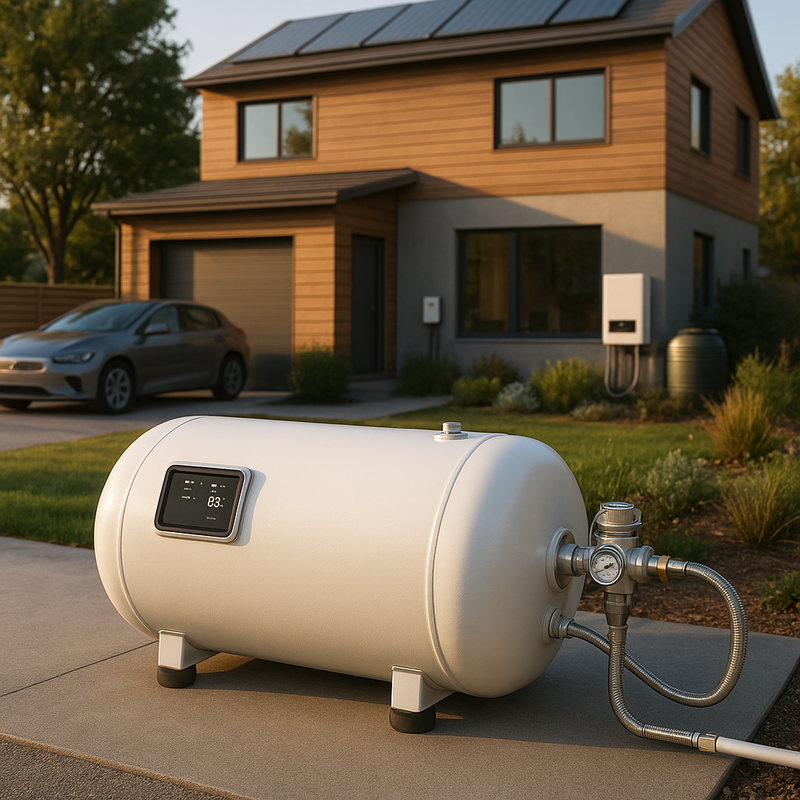
- Storage Tanks: Sizes and installation options vary—above or underground—based on space and regulations.
- Regulators and Fittings: Ensure safe pressure control and appliance efficiency.
- Compatible Appliances: Verify your devices are designed or adaptable for LPG use.
Step 3: Professional Installation
Gas systems must be installed by licensed professionals to comply with safety standards and ensure proper function, preventing hazards.
Safety Considerations
Essential Safety Practices for LPG Use
Stay safe with these vital tips:
- Proper Ventilation: Keep rooms with LPG appliances well-aired to prevent gas buildup.
- Regular Maintenance: Schedule annual checks to detect leaks or problems early.
- Gas Detectors: Install LPG sensors for early leak detection and peace of mind.
Dispelling Common Misconceptions
Let’s clear up some myths:
Myth: LPG is highly explosive and dangerous.
Fact: When installed and maintained correctly, LPG is very safe with an excellent safety track record.
Myth: LPG needs constant upkeep.
Fact: Properly installed LPG systems require less maintenance than many oil-based alternatives.
Understanding these facts helps build trust in LPG as a secure home energy option.
Applications of LPG in the Home
Cooking
LPG delivers instant heat and precise control, making it ideal for stoves, ovens, and outdoor grills.
Heating
From central heating systems to portable heaters, LPG efficiently warms homes cost-effectively.
Hot Water Systems
LPG heats water quickly and reliably, especially useful during peak demand seasons.
Power Generation
LPG increasingly powers hybrid home setups, providing backup electricity when solar or wind isn’t available.
Regulations and Guidelines for LPG Use in 2026
Government Standards and Compliance
Updated 2026 regulations enforce strict safety codes and installation requirements. Ensure all LPG components meet local and national certifications.
Incentives for Cleaner Energy Use
Many governments offer tax breaks and incentives to encourage LPG adoption as a cleaner energy choice.
The Future of LPG: Innovations and Trends
Green LPG
Renewable “green LPG,” made from biomass, promises even lower carbon emissions while keeping all the benefits.
Technological Advancements
Smart LPG systems now feature remote monitoring and real-time consumption tracking to boost safety and convenience.
Growing Consumer Preferences
With rising environmental awareness, more homeowners prefer LPG for its low emissions and dependable performance.
Conclusion
Home LPG in 2026 remains a versatile, efficient, and cleaner fuel option perfectly suited to modern lifestyles. By understanding system setup, safety essentials, and future innovations, you can confidently embrace LPG to meet your energy needs while supporting a sustainable future.
Key Takeaways
- LPG is a clean, flexible energy solution growing in popularity worldwide.
- Safety depends on professional installation and regular maintenance.
- LPG powers cooking, heating, hot water, and backup power setups.
- Upcoming green LPG and smart technologies will shape the future.
Suggested Next Steps
- Conduct a home energy audit to see if LPG fits your needs.
- Research local suppliers to compare prices and services.
- Consult licensed professionals for installation advice and safety guidelines.
With this knowledge, you’re ready to harness LPG’s benefits, boosting your home’s energy efficiency and sustainability well into 2026 and beyond.
