
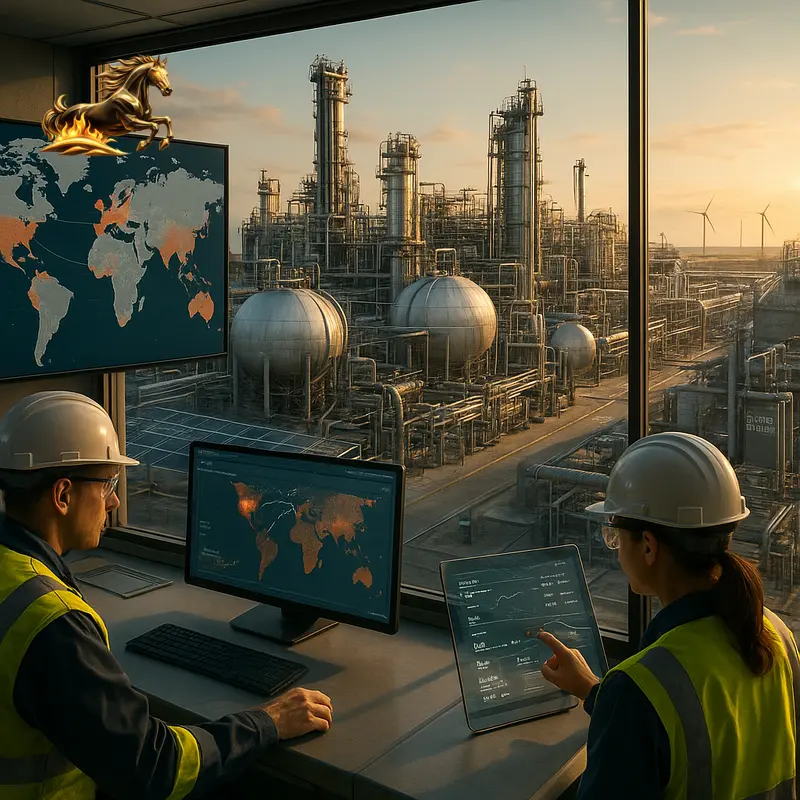
The Natural Gas Liquefaction Process in 2026: Innovation, Risk, and the Future of LNG
In the ever-evolving global energy arena, natural gas liquefaction stands as a vital technology that transforms gaseous methane into Liquefied Natural Gas (LNG), enabling efficient transport across vast distances. As we progress through 2026, this cornerstone process is rapidly advancing thanks to innovative technologies focused on cutting carbon emissions, even as it faces increasing geopolitical risks that threaten LNG supply security. Whether onshore in harsh desert climates or offshore on floating platforms, liquefaction plants remain indispensable to the LNG value chain. This article dives into the natural gas liquefaction process, highlighting the latest technological breakthroughs and the strategic challenges shaping its future.
What Is Natural Gas Liquefaction and Why Does It Matter?
Natural gas liquefaction is a sophisticated engineering process where purified natural gas is cooled to cryogenic temperatures (around -160°C or -256°F), condensing it into LNG. This incredible volume reduction—nearly 600 times smaller—makes transporting and storing natural gas far more practical.
But why is this transformation so critical? Pipelines face limits: geographic, terrain, and political barriers restrict gas flow. Liquefaction overcomes these hurdles, connecting remote reserves in North America, the Middle East, and Australia to energy-thirsty markets in Asia and Europe. By enabling countries without domestic gas supplies to diversify imports, LNG enhances energy security and unlocks resources previously too costly to access. Nations like Japan and South Korea heavily rely on LNG imports, underscoring its global significance.
Why Liquefaction Matters:
- Enables efficient global LNG trade via specialized carriers.
- Boosts energy security through diversified supplier access.
- Unlocks remote and offshore gas reserves.
- Facilitates peak demand management by storing LNG during low-use periods and regasifying as needed.
In short, LNG liquefaction is essential to today’s global energy mix.
How Does a Liquefaction Plant Work?
Often referred to as a “train,” an LNG liquefaction plant is a complex industrial system that converts natural gas into liquid through a carefully controlled sequence of steps:
Step 1: Gas Pretreatment and Purification
Before cooling, raw natural gas must be purified to remove impurities that could freeze or damage equipment. This includes:
- Water: Prevents ice blockages inside cooling systems.
- Carbon Dioxide (CO₂): Avoids dry ice formation at cryogenic temperatures.
- Sulfur Compounds and Mercaptans: Removed due to corrosion and toxicity risks.
- Heavy Hydrocarbons: Extracted to maintain methane purity and stable processing.
Purification ensures safe and reliable liquefaction operations.
Step 2: Refrigeration and Cooling
The purified gas then undergoes a multi-stage refrigeration cycle requiring substantial energy:
- Pre-cooling: Lowers gas temperature to about -30°C to -50°C using propane refrigerant.
- Liquefaction: Further cooling with mixed refrigerants or nitrogen reduces temperature to -160°C, turning gas into liquid.
- Sub-cooling: Final cooling fine-tunes LNG temperature and density for optimal storage and shipping.
Compressors and heat exchangers in these cycles are engineered for maximum energy efficiency—critical for operational savings.
Leading Liquefaction Technologies
Project scale, feed gas quality, and economics dictate technology selection:
- Mixed Refrigerant (MR) Process:
The workhorse for large-scale onshore plants, MR uses a refrigerant blend in a single cycle, offering flexibility and reliability favored in mega LNG projects worldwide. - Cascade Refrigeration Process:
Uses several refrigerants in sequence (like propane, ethylene, methane) for high efficiency but added complexity, ideal for offshore or specialized applications. - Expander-Based Technology:
Incorporates turbo-expanders that cool refrigerants through rapid expansion, lowering energy use and suiting smaller or variable feed gas setups.
Each option strikes its own balance of efficiency, complexity, and capital demands.
2026: Innovation Ignites Amid Growing Risks
Driving Low-Carbon Liquefaction
LNG liquefaction’s high energy consumption puts it squarely in the spotlight for decarbonization. Projects like the JGC-Hyundai low-carbon LNG plant in Papua New Guinea showcase pioneering integration of renewable energy, carbon capture, and smart process optimization.
Digital innovations—artificial intelligence, digital twins, advanced process controls—are now industry norms, enhancing energy efficiency, safety, and operational excellence.
Strategic Expansion and Investments
The global appetite for LNG fuels bold investments in resource-rich areas. Shell’s purchase of ARC Resources, securing access to prolific Montney shale gas fields in Canada, exemplifies efforts to expand North American LNG exports.
Meanwhile, floating LNG (FLNG) technology gains traction. Upgrades like ASaP’s Phazer probe-vaporizer on FLNG vessels such as Hilli Episeyo demonstrate how offshore solutions reduce upfront costs and boost flexibility in tapping remote reserves.
Geopolitical Risks in Focus
The missile strikes on Qatar’s Ras Laffan LNG hub in early 2026 bring a stark reminder: LNG infrastructure is geopolitically vulnerable. Shutting down nearly 17% of Qatar’s capacity sends global supply ripples, underscoring the urgency to factor geopolitical risk into energy security and investment strategies.
Challenges for LNG Liquefaction
- High Energy Demand:
Refrigeration cycles consume massive power, typically from natural gas itself, raising costs and emissions. Research prioritizes advanced energy-efficient cycles and renewable power integration. - Regulatory and Carbon Pricing Pressures:
Stricter environmental rules push plants toward cleaner technologies or risk losing competitiveness amid penalties. - Capital-Intensive Development:
Constructing liquefaction trains demands huge investments and long lead times, requiring stable demand outlooks to justify spending. - Feed Gas Variability:
Variations in gas compositions call for flexible plant designs to maintain efficiency without costly modifications.
Addressing these is critical to sustainable LNG growth.
Looking Beyond 2026: Future LNG Liquefaction Trends
- Renewable Energy Power:
Integrating solar, wind, or geothermal to power liquefaction plants is moving from idea to pilot projects, paving the way for greener LNG production. - Small-Scale Modular LNG Plants:
Modular, containerized liquefaction units broaden access to LNG in remote areas and niche markets, offering faster, lower-risk deployments. - Next-Generation Materials:
Advances in materials improve cryogenic equipment durability and efficiency, extending plant lifespans. - Hydrogen Integration:
As hydrogen rises, liquefaction may evolve to include hydrogen co-production or utilize hydrogen as a clean fuel, aligning two energy sectors.
These trends reflect LNG’s adaptive journey amid a global energy transition.
Conclusion: LNG Liquefaction – A Pillar of the Energy Transition
Natural gas liquefaction is a foundational technology underpinning global gas trade, energy security, and resource utilization. In 2026, the industry strides forward with innovations that cut emissions while navigating geopolitical risks and market challenges.
Key takeaways:
- Liquefaction enables a diverse, global natural gas supply network.
- Technological innovation drives energy and emissions improvements.
- Geopolitical stability is vital for reliable LNG availability.
- Strategic investments and emerging technologies fuel expansion and resilience.
Supporting cleaner liquefaction technologies and risk management will be crucial to securing LNG’s long-term role in the world’s energy future. The natural gas liquefaction process remains central to energy markets now and for decades ahead.
Frequently Asked Questions (FAQ)
Q1: Why is natural gas liquefied for transport?
Liquefaction reduces natural gas volume about 600-fold, making it feasible to ship in specialized LNG carriers worldwide. Without this process, long-distance gas trade would be uneconomical.
Q2: What is the biggest operational challenge in LNG liquefaction?
High energy consumption stands out, with refrigeration cycles demanding substantial power. Improving efficiency and integrating renewables are top priorities.
Q3: How is low-carbon LNG produced?
By using renewable electricity, improving refrigeration efficiency, deploying carbon capture, and sourcing gas from low-emission fields, LNG’s carbon footprint is significantly lowered.
Q4: How do geopolitical factors affect LNG supply?
LNG plants are high-value, concentrated targets; disruptions can cripple capacity, causing price spikes and threatening energy security.
Q5: What advantages does Floating LNG (FLNG) offer?
FLNG operates offshore near gas fields, cutting pipeline needs, lowering capital costs, and enabling flexible, rapid development of stranded resources.
Natural gas liquefaction is more than a technical process—it’s a dynamic enabler of global energy, continuously evolving to meet the challenges and opportunities of our changing world.
