
The Anatomy, Impact, and Future of One Barrel
The Anatomy, Impact, and Future of One Barrel of Oil in 2026
A single barrel of oil—a standardized 42-gallon unit—continues to wield immense influence over today’s global economy. It fuels industries, transportation, and countless consumer products while steering geopolitical events. In 2026, with crude prices soaring above $120 per barrel amid a critical supply shortage, gaining a thorough understanding of what one barrel truly represents is essential. This article unpacks what’s inside a barrel, how its price impacts economies worldwide, the environmental toll it carries, and how evolving technologies and the energy transition are redefining its future.
What Exactly Is One Barrel of Oil?
To grasp oil’s importance, it’s key to start with how it’s measured and what it contains.
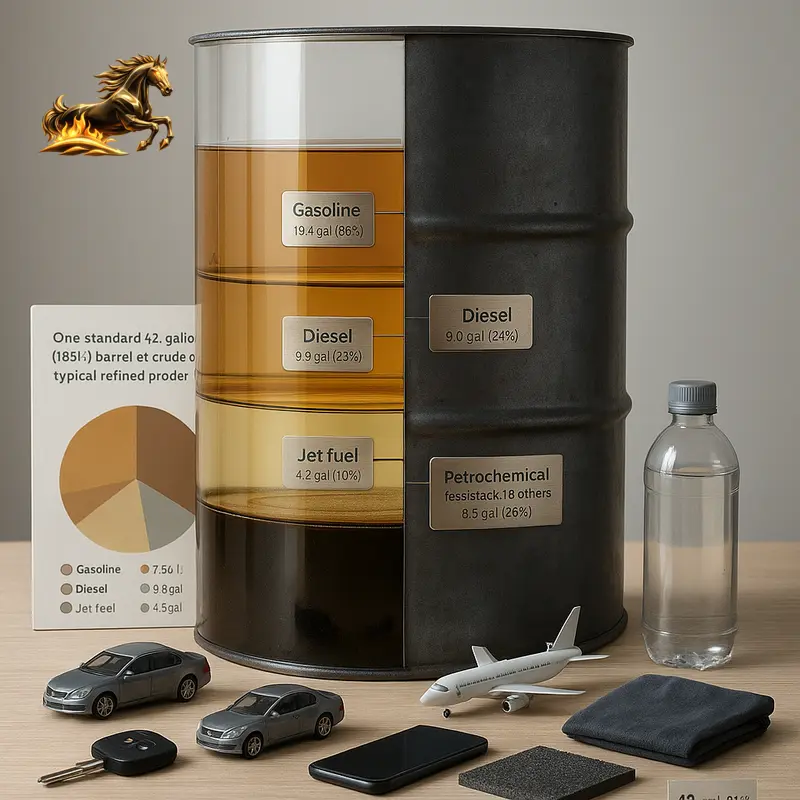
The Standard Measure: 42 Gallons
In the oil industry, one “barrel” equals 42 U.S. gallons (about 159 liters). This measurement dates back to the 19th-century oil boom and remains the global standard for production volumes and pricing.
Inside the Barrel: From Crude to Everyday Products
Crude oil isn’t a single substance but a complex blend refined into multiple vital products:
- Gasoline (around 45%) – The largest portion fuels passenger vehicles globally.
- Diesel and Distillate Fuels (approximately 26%) – Powering trucks, shipping, construction, and heating.
- Jet Fuel (about 10%) – Fuels commercial and military aircraft.
- Other Fuels – Includes propane, butane, and related gases.
- Non-Fuel Products – Feedstocks for plastics and textiles, lubricants, asphalt, waxes, and solvents vital to many industries.
This diverse product slate shows a barrel of oil supports not only transportation but also infrastructure and everyday materials.
The Economic Earthquake Behind a Barrel’s Price
A barrel of oil’s price can send ripples throughout the global economy, affecting inflation, trade, and growth.
The Wide-Reaching Effects of Oil Price Fluctuations
Changes in oil prices impact:
- Transportation and Shipping Costs: Fuel price hikes raise logistics expenses, which pass through to consumer prices.
- Industrial Production: Higher energy costs boost manufacturing and construction expenses, potentially slowing growth.
- Consumer Spending: Rising gasoline and heating costs cut into household budgets, dampening broader demand.
- National Economies: Oil exporters gain revenue when prices surge, while importers face budget deficits and economic strain.
The 2026 Price Shock: Geopolitics Meets Supply Constraints
- A U.S. blockade of the Strait of Hormuz has slashed nearly 9 million barrels per day from global supply, spurring Brent crude to break above $120 per barrel.
- Iran’s peace proposal briefly eased prices to about $108, highlighting market sensitivity to diplomatic shifts.
- Analysts warn prices could spike to $150 per barrel if the blockade continues, fueling inflation and potential fuel shortages.
- Venezuela’s increase to 1.23 million barrels per day provides limited relief, covering only a fraction of disrupted flows.
This volatile mix underscores how a barrel’s price mirrors global stability and geopolitical tensions.
The Environmental Footprint of Every Barrel
Beyond economics, each barrel bears a significant environmental cost.
Carbon Emissions: From Oilfield to Tailpipe
- Extraction: Methane leaks and venting release potent greenhouse gases before crude moves to refineries.
- Refining: Energy-intensive processes add to carbon output.
- Combustion: Burning gasoline, diesel, and jet fuel generates the bulk of emissions.
Tackling Environmental Impact in 2026
- Carbon Capture and Storage (CCS): Capturing CO2 emissions at source and storing them underground.
- Enhanced Oil Recovery (EOR) Using CO2: Recycling captured carbon to aid extraction while reducing net emissions.
- Renewable Energy Integration: Using wind and solar to power extraction and refining operations, cutting carbon intensity.
- Advanced Methane Leak Detection: Satellite and sensor technology identify and fix leaks rapidly.
These initiatives reflect growing dedication to reducing oil’s climate impact.
Technological Innovations Shaping Oil in 2026
Technology is pivotal in boosting efficiency and environmental performance.
Breakthroughs in Extraction and Refining
- AI-Enhanced Seismic Imaging and Digital Twins: Improved reservoir modeling reduces wasted drilling.
- Automated Drilling Technologies: Robotics enhance precision and safety while minimizing environmental disruption.
- Advanced Catalysts: New refining methods boost yield and cut energy consumption.
Digital Transformation Driving Smarter Operations
- IoT and Predictive Maintenance: Sensors monitor equipment health in real-time, preventing failures and spills.
- AI-Driven Supply Chain Management: Machine learning optimizes trading and logistics amid volatile markets.
- Blockchain for Transparency: Immutable records provide traceability and carbon footprint verification.
The Energy Transition and Oil’s Evolving Role
While oil remains vital in 2026, its dominance is shifting amid a rising tide of renewables.
Renewables and Alternatives Reshape Demand
- Expansion of Solar and Wind: Renewables are the cheapest new electricity sources in many regions, displacing oil in power generation.
- Electric Vehicle (EV) Growth: EV adoption is cutting gasoline demand significantly, challenging a large slice of oil products.
- Policy Pushes: Carbon pricing and clean fuel standards increasingly discourage fossil fuel use.
Integrating New Fuels into the Energy Mix
- Next-Generation Biofuels: Sustainable biofuels offer alternatives for sectors difficult to electrify, like aviation and shipping.
- Synthetic E-Fuels: Made from captured carbon and green hydrogen, they promise carbon-neutral combustion, though costs remain high.
Oil is evolving into a cleaner, complementary energy source within a diverse energy portfolio.
Navigating Today’s Crisis and Tomorrow’s Path
Meeting current challenges demands both urgent action and strategic foresight.
Strategic Priorities for 2026
- Geographical Supply Diversification: Reducing reliance on chokepoints like Hormuz boosts energy security.
- Energy Efficiency Improvements: Lowering consumption eases pressure during price spikes.
- Resilient Supply Chains: Enhanced inventory management buffers against disruptions.
Looking Ahead
- Decarbonization Commitment: Ongoing investment in CCS, leak fixes, and renewables integration ensures compliance and sustainability.
- Circular Economy Approaches: Combining petrochemical feedstocks, recycling, and carbon reuse reduces waste and emissions.
- Workforce Development: Training in digital, environmental, and renewable skills prepares workers for the industry’s future.
Conclusion: One Barrel Reflects Our Energy Reality
In 2026, one barrel of oil captures the complexities shaping today’s world—economic influence, environmental responsibility, and technological innovation. Its volatile price echoes geopolitical uncertainty; its diverse products underpin modern life; its carbon footprint drives urgent change. While short-term shocks highlight oil’s strategic weight, the accelerating energy transition points toward a cleaner, more diversified future.
Key Takeaways:
- A barrel of oil fuels far more than just transportation.
- In 2026, prices are highly sensitive to geopolitics and supply shocks.
- The industry is advancing carbon capture, methane management, and cleaner production.
- Digital technologies enhance operational efficiency and transparency.
- Oil’s future is as a cleaner, integrated part of a diverse energy mix.
Balancing energy security and sustainability will define the decade, with the story of one barrel symbolizing how we power our world.
Frequently Asked Questions (FAQ)
1. Why did oil prices briefly fall in May 2026 despite the Strait of Hormuz blockade?
Prices eased after Iran proposed renewed peace talks, easing fears of wider conflict. Nonetheless, the large supply shortfall kept prices elevated, with ongoing volatility expected.
2. What main products come from a barrel of oil besides gasoline?
Beyond gasoline (about 45%), diesel (26%), jet fuel (10%), and petrochemical feedstocks, the barrel yields lubricants, asphalt, waxes, and solvents essential to multiple industries.
3. How is the oil industry reducing its environmental impact in 2026?
Through large-scale carbon capture and storage, advanced methane leak detection, integration of renewables in operations, and using captured CO2 in enhanced oil recovery.
4. Can Venezuela’s increased oil exports solve the current supply crisis?
Venezuela’s exports rising to 1.23 million barrels per day helps but only partially offsets the 9 million barrels daily lost due to the Hormuz blockade.
5. What are the most promising alternatives to oil for transportation soon?
Electric vehicles dominate passenger transport, while next-gen biofuels and synthetic e-fuels hold the most promise for aviation and shipping sectors resistant to electrification.
