
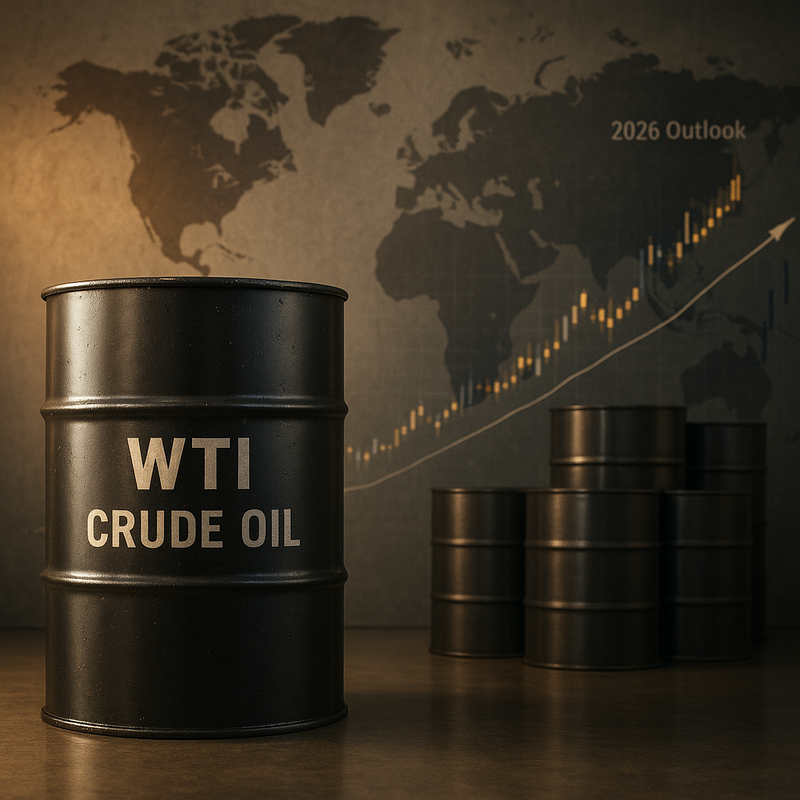
Understanding WTI Crude Oil: Key Insights for 2026
Introduction
In today’s global economy, crude oil remains a cornerstone commodity, with West Texas Intermediate (WTI) crude oil playing a vital role in pricing and market trends. As a major benchmark for North American oil markets, WTI’s price movements impact industries from transportation to manufacturing and investment sectors alike. In 2026’s evolving energy landscape, grasping the factors driving WTI is crucial for smart decision-making. This article breaks down WTI’s unique qualities, reviews the latest market trends, and highlights the future developments that will shape its path.
What is WTI Crude Oil?
Definition and Characteristics
WTI crude oil is a specific U.S.-produced grade known for its “light” and “sweet” properties. Being “light” refers to its low density, which means it’s easier and cheaper to refine. “Sweet” signifies low sulfur content, reducing processing complexity and environmental impact. These traits make WTI particularly suited for producing in-demand fuels like gasoline and diesel. Traded heavily on the New York Mercantile Exchange (NYMEX), WTI acts as a key benchmark reflecting North American supply and demand.
Benchmark Significance
Alongside Brent crude, WTI stands as a global oil price benchmark. Market participants, analysts, and policymakers closely track WTI prices to assess market sentiment and economic health, especially within the U.S. Its direct link to American production and consumption offers critical insight for domestic and international energy pricing and policy decisions.
Current WTI Trends in 2026
Market Performance
As of early 2026, WTI crude oil prices hover near $90 per barrel, marking a moderate rise from 2025. This increase stems from a blend of factors:
- Ongoing global economic recovery boosting energy demand post-pandemic.
- Strategic OPEC+ production decisions balancing supply amid market fluctuations.
- Geopolitical events and evolving regulations introducing volatility, yet fostering cautious optimism.
These combined influences create a market environment that, while dynamic, shows fundamental strength.
Consumption Patterns
Energy use is in transition, shaped by traditional reliance and green innovations:
- Steady expansion of renewables like solar and wind slowly moderates oil consumption without fully replacing it.
- Growing adoption of electric vehicles gradually reduces gasoline demand, varying by region.
- Continued industrial growth and transportation needs sustain strong crude oil demand, particularly in developing areas.
This landscape suggests a careful balance rather than a sudden shift, maintaining WTI’s relevance amid diversification.
Global Influencers
Key external factors affecting WTI prices include:
- OPEC+ production quotas and diplomacy shaping supply levels.
- Geopolitical tensions in major oil regions causing price unpredictability.
- Increasingly strict environmental policies adding uncertainty to fossil fuel demand.
Recognizing these drivers helps explain WTI price behavior and potential volatility.
WTI’s Impact on the U.S. Economy
Economic Indicator
WTI prices serve as a vital economic barometer, influencing consumer costs, inflation, and production expenses. These shifts make WTI a key indicator for evaluating U.S. economic trends.
Investment Opportunities
WTI offers diverse investment options:
- Futures contracts allow traders to speculate or hedge oil price risks.
- Stocks in energy companies correlate with WTI market movements.
- ETFs and mutual funds provide retail investors with accessible exposure to oil price fluctuations.
Each investment avenue carries unique risks and rewards aligned with WTI’s market dynamics.
Employment Effects
The oil sector supports millions of jobs across exploration, extraction, transportation, and refining. WTI price changes often impact employment levels, underscoring the commodity’s broad socio-economic influence.
WTI Price Outlook: Predictions for 2026 and Beyond
Short-Term Forecast (2026)
Experts expect WTI prices to remain stable in 2026, roughly between $85 and $95 per barrel. This steadiness is driven by:
- Strong post-pandemic energy demand.
- Coordinated supply management by OPEC+.
- Persistent geopolitical and regulatory factors keeping markets balanced.
Such stability aids businesses and investors in planning with greater confidence.
Long-Term Forecast (2027 and Beyond)
Looking forward, WTI prices face evolving challenges and opportunities:
- Accelerated global shift toward renewable energy may slow oil demand growth.
- Advanced extraction technologies could boost supply, easing price pressures.
- Stricter environmental regulations might limit fossil fuel usage and reshape the market.
These trends suggest WTI’s role will evolve, requiring adaptive strategies for all market players.
Conclusion
For stakeholders in the energy market throughout 2026 and beyond, WTI crude oil remains essential. Its pricing reflects a complex interplay of supply-demand dynamics, geopolitics, and economic indicators. While current trends show recovery and steady growth, the long-term outlook warrants careful attention to the global energy transition and regulatory landscape.
Key Takeaways
- WTI is a foundational benchmark representing North American crude oil prices and economic health.
- 2026 trends show demand-driven growth balanced by supply strategies and global uncertainties.
- Future pricing will depend on renewable adoption, technological progress, and environmental policies.
Recommendations
To navigate the evolving WTI market effectively:
- Keep abreast of OPEC decisions, geopolitical developments, and regulatory updates.
- Align investments with both current market trends and the broader energy transition.
For ongoing insights, reliable sources like CNBC and MarketWatch offer timely updates on WTI and the global energy sector.
