
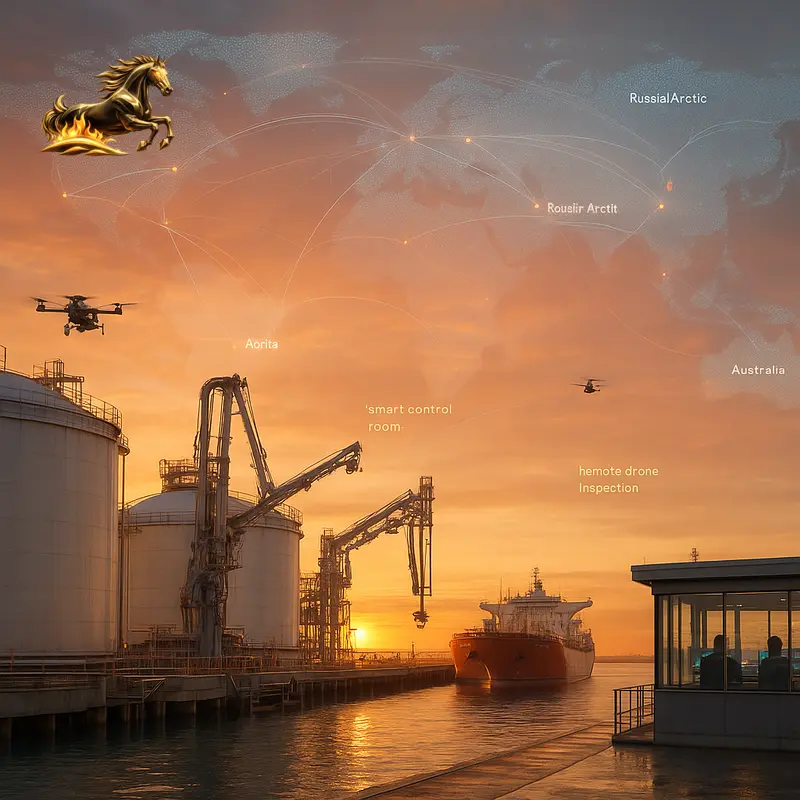
LNG Products in 2026: Navigating a New Era
The global energy arena is undergoing a remarkable transformation. By 2026, Liquefied Natural Gas (LNG) has evolved far beyond a mere energy product—it now plays a pivotal role at the crossroads of geopolitics, cutting-edge innovation, and dynamic market changes. LNG is not just fueling economies; it’s actively shaping international relations, powering technological breakthroughs, and securing the world’s energy future. From the strategic Strait of Hormuz to emerging gas corridors in the Eastern Mediterranean and the Arctic, LNG is redefining economic, political, and environmental landscapes. This article delves deep into the key forces propelling the LNG industry in 2026 and their wide-reaching impacts on investors, governments, and global industries.
LNG in 2026: Much More Than Fuel Supply
At its core, LNG is natural gas cooled into a liquid form to enable efficient transport and storage. However, in 2026, LNG’s role extends well beyond this fundamental function. It acts as a diplomatic asset, attracts strategic investments, and forms a cornerstone of the global decarbonization strategy.
The LNG market is expanding rapidly, with forecasts predicting global supply capacity will nearly double by 2030 compared to 2020 levels. 2026 stands right at the midpoint of this impressive growth curve.
What’s fueling this expansion?
- Energy Security Imperatives: Nations are diversifying energy imports to reduce dependency on singular sources. LNG’s transportability and storability make it a crucial component for energy independence.
- A Bridge Fuel in Transition: As renewable energy scales, LNG serves as a reliable, lower-emission alternative to coal and oil, facilitating the global shift toward cleaner energy.
- Maturing Infrastructure: Investments made in liquefaction plants, import terminals, and LNG fleets in the early 2020s are now fully operational, boosting global market access and trade flows.
Despite strong momentum, the LNG sector faces challenges like geopolitical tensions, regulatory hurdles, and the urgent need for cleaner production methods. Navigating 2026’s LNG market demands a comprehensive understanding of these complex factors.
Geopolitics Reshape LNG Trade Routes and Risks
Geopolitical developments are profoundly influencing LNG trade dynamics and route strategies.
Strait of Hormuz: A Critical Chokepoint
The Strait of Hormuz remains a flashpoint due to its vital role in LNG shipments from Gulf producers, especially Qatar. Ongoing regional tensions heighten the risk to supply chains, resulting in a premium placed on shipment security.
In response, stakeholders increasingly focus on alternative routes such as pipelines, which offer greater stability. Russia’s Power of Siberia II pipeline project to China exemplifies this strategic pivot, providing a secure, land-based supply corridor that lessens reliance on vulnerable maritime pathways. This shift will likely reshape long-term contracts and buyer-supplier relationships across the Middle East and Asia.
Eastern Mediterranean: Strengthening Energy Cooperation
Collaborative projects in the Eastern Mediterranean highlight resource sharing to optimize export potential. The partnership involving QatarEnergy, ExxonMobil, and Egypt aims to channel Cypriot gas through Egyptian LNG export terminals.
By utilizing existing infrastructure, this initiative avoids costly new liquefaction facilities, accelerates market access, and reinforces Egypt’s emergence as a regional energy hub. It also delivers Europe a crucial new source of stable gas supply, enhancing supply diversification and energy resilience.
Arctic Challenges and the “Dark Fleet”
Russia’s Arctic LNG 2 project presses forward amid ongoing sanctions, partly enabled by the “dark fleet” — a fleet of LNG carriers with ambiguous ownership structures designed to bypass restrictions.
This complicates maritime regulation, increases the hazard of environmental compliance breaches, and underscores the increasing complexity of LNG geopolitics. It reveals how global LNG supply chains adapt to sanctions and legal barriers in real time.
Infrastructure Expansion: The Backbone of LNG’s Future
Geopolitical shifts translate directly into renewed and expanded LNG infrastructure investments.
Confidence Through Long-term LNG Carrier Charters
PETRONAS’s groundbreaking 20-year time charter with MISC Group for large LNG carriers signals unwavering confidence in long-term LNG demand. These agreements deliver:
- Supply Predictability: Ensuring carrier availability amid volatile spot markets.
- Environmental Alignment: Deployment of energy-efficient vessels to meet sustainability goals.
- Strategic Control: Securing essential logistics that anchor export strategies.
Such long-term charters are becoming the norm for LNG producers focusing on safeguarding assets and supply chains.
Import Terminals Driving New Demand
On the import front, infrastructure is growing decisively. Malaysia’s approval of a new LNG regasification terminal in Yan, Kedah, exemplifies efforts to boost domestic gas reliability and regional development. It also positions Malaysia as a key gas distribution hub in Southeast Asia, illustrating how import capabilities complement export growth strategies.
Innovative Technologies Propel LNG Efficiency and Sustainability
Technological advancements are revolutionizing LNG production and consumption patterns.
Enhancing Liquefaction Efficiency
Liquefaction plants consume substantial energy. Industry leaders like Honeywell UOP are pioneering improvements that deliver better energy efficiency and lower carbon footprints by:
- Refining compressor and heat exchanger designs.
- Integrating waste-heat recovery and cleaner onsite power.
- Employing AI-driven digital process optimization.
These cutting-edge innovations reduce costs and elevate LNG’s environmental profile.
Small-Scale LNG Meets Diverse Needs
Small-scale LNG (ssLNG) and modular liquefaction units are unlocking new markets by providing flexible supply solutions for decentralized power, marine bunkering, and remote industrial applications. This agility broadens LNG’s reach into locations unsuitable for traditional large-scale infrastructure.
The Rise of Renewable LNG (r-LNG)
Renewable LNG, produced by upgrading biomethane from organic waste, stands out as a game-changing innovation. r-LNG offers a sustainable LNG alternative that reduces carbon emissions and aligns gas markets with circular economy principles. The commercial scaling of r-LNG across Europe and North America in 2026 marks a milestone in decarbonizing natural gas.
Economic Impact: Jobs, Trade, and Market Stability
Job Growth and Regional Development
LNG project construction and ongoing operations create vast employment opportunities. Projects like Texas’s Golden Pass LNG stimulate local economies, support ancillary industries, and foster skilled workforce retention, driving industrial growth.
Managing Price Volatility with Diversification
LNG pricing reflects a complex interplay of geopolitical risks, demand swings, fuel price competition, and transport costs. However, expanded infrastructure and diversified supply bases bolster market stability, reducing extreme price fluctuations.
LNG and Global Trade Geopolitics
The surge of LNG exporters like the United States is reshaping global energy trade and geopolitical balances. For import-dependent countries, cultivating a diverse LNG supply portfolio is now integral to energy security strategies, underscoring LNG’s role as a strategic commodity.
Expanding LNG Applications Across Sectors
Leading Marine Fuel for Emissions Compliance
LNG is the preferred alternative marine fuel amid tighter IMO emission standards. It significantly cuts sulfur oxides, particulate matter, nitrogen oxides, and carbon emissions. The steady growth of global LNG bunkering infrastructure cements its role in sustainable shipping.
Clean Energy Solution for Heavy Transport and Industry
On land, LNG adoption grows in long-haul trucking, rail, and heavy industry as a cleaner, cost-competitive energy source replacing diesel and coal. Expanded refueling networks and stricter emission regulations drive this momentum.
Key 2026 Insights for LNG Stakeholders
- Secure Supply Chains: Diversify routes and invest in resilient LNG infrastructure amid geopolitical uncertainties.
- Invest in Long-term Assets: Extended LNG carrier charters and new import terminals highlight market confidence and strategic planning.
- Champion Innovation: Embrace liquefaction efficiency advancements and the transition to renewable LNG for sustainability and competitiveness.
- Broaden Demand: Leverage growing LNG uses in marine, transport, and industrial sectors to stabilize demand.
- Foster Collaboration: Sharing infrastructure accelerates development, reduces costs, and strengthens market access.
Strategic Tips for Stakeholders
- Buyers: Focus on supplier and route diversification, renegotiate contracts for flexibility, and integrate renewable LNG options early.
- Suppliers: Prioritize logistics security, invest in decarbonization tech, and partner strategically to fast-track resource projects.
- Tech Providers & Investors: Drive energy-saving liquefaction innovations, expand small-scale and bunkering solutions, and back biomethane-to-LNG ventures.
- Industry Experts: Build expertise in compliance with sanctions, carbon footprint assessments, and modular LNG system engineering.
Frequently Asked Questions (FAQ)
Q1: How do Strait of Hormuz tensions influence LNG supply and pricing?
Heightened risks create a premium for secure shipping routes, prompt buyers to seek alternatives, and tighten global LNG availability, pushing spot prices upward.
Q2: What is the “dark fleet,” and why does it matter?
The “dark fleet” refers to LNG carriers with obscured ownership used to bypass sanctions, posing challenges for maritime safety, regulatory enforcement, and overall governance.
Q3: Is small-scale LNG cost-effective compared to large-scale projects?
Yes, particularly for remote or specialized applications where traditional infrastructure is impractical. Small-scale LNG complements rather than replaces large ventures.
Q4: What defines Renewable LNG (r-LNG), and how is it made?
r-LNG is produced by converting biomethane derived from organic waste into liquefied form—offering a sustainable, lower-carbon LNG compatible with existing systems.
Q5: What signals does a 20-year LNG carrier charter send about the market?
It reflects strong confidence in sustained LNG demand and represents a strategic move to secure logistics capacity amidst market and geopolitical uncertainties.
In conclusion, LNG in 2026 embodies resilience, adaptability, and innovation. By investing strategically in infrastructure, embracing technological breakthroughs, and fostering collaborative solutions, LNG is cementing its status as a vital pillar of the global energy future. Stakeholders who proactively engage with these trends will be best equipped to thrive in this evolving and crucial market.
