
Brent Crude Oil Price in 2026: Navigating the Volatile Future of the Global Benchmark
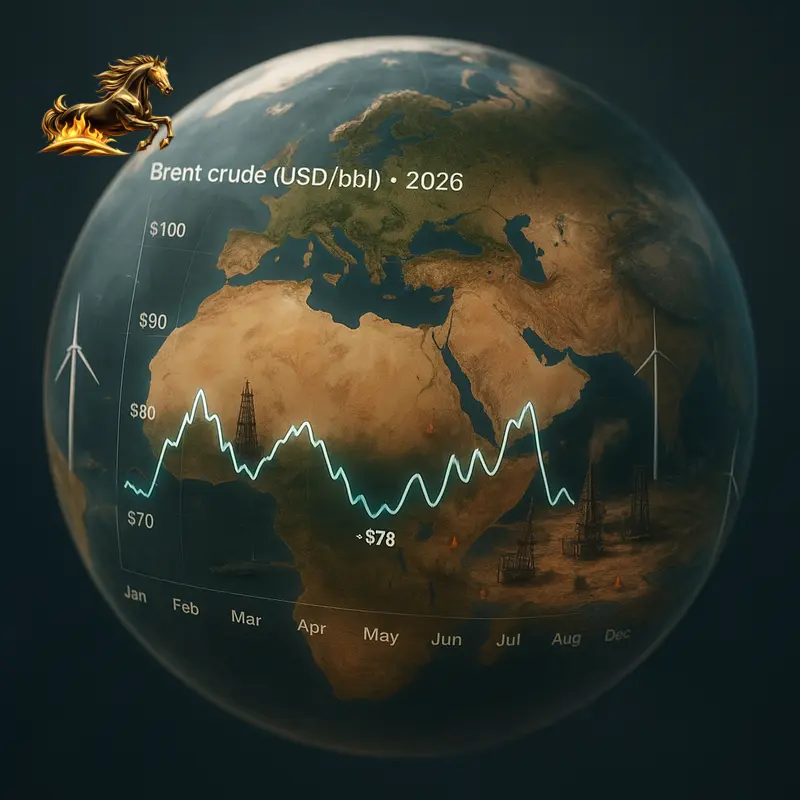
Oil prices affect far more than just your fuel bill—they’re a cornerstone of the global economy, steering inflation trends and shaping geopolitical stability. At the heart of this complex landscape is Brent crude oil, the world’s leading benchmark for crude pricing. Entering 2026, Brent prices reveal a volatile picture, bouncing between $80 and $90+ per barrel. This seesaw reflects a market caught in the push and pull of geopolitical tensions, shifting economic forces, and an accelerating energy transition.
Grasping what’s driving Brent oil prices today—and what’s on the horizon—is crucial not only for investors and policymakers but also for businesses and consumers worldwide. This article dives into the key factors shaping Brent’s 2026 price, examines historical trends that provide context, and explores scenarios for the future.
What Is Brent Crude Oil? The Global Benchmark Explained
Brent crude oil is a high-quality, light, sweet crude derived mainly from the North Sea. Its low sulfur content and density make it easier and cheaper to refine into widely demanded fuels like gasoline and diesel. Beyond quality, Brent’s strategic location and politically stable roots, paired with an active futures market, have cemented its status as the dominant global oil pricing benchmark.
About two-thirds of internationally traded crude oil contracts peg their prices to Brent. When the global media spotlight shines on oil prices, it’s Brent that’s usually in the headlines. Its pricing influence ripples across contracts for other important grades like Russia’s Urals and Dubai crude from the Middle East.
Brent vs. WTI: Two Benchmarks, Different Markets
While Brent leads globally, West Texas Intermediate (WTI) rules the U.S. market. Key distinctions include:
- Origin: Brent comes by sea from the North Sea; WTI hails from landlocked U.S. oil fields.
- Quality: WTI is slightly lighter and sweeter, yet both rank as premium crude oils.
- Price Dynamics: Historically, WTI often traded at a premium, but growing U.S. shale output has flipped the script, with Brent generally commanding the premium due to its global reach—especially during geopolitical strains.
In 2026, these differences mean Brent and WTI prices can diverge sharply when geopolitical shocks hit, reflecting distinct supply-demand realities.
Reflecting on History: Key Brent Price Trends
To understand Brent’s 2026 volatility, it helps to take a quick look back at its price history, shaped by cycles of economics, technology, and geopolitics.
2008: Sky-High Before the Crash
Mid-2008 saw Brent spike above $140 per barrel, fueled by booming demand and tight supply. But the global financial crisis slammed the brakes, collapsing oil demand and plunging prices below $40 by year’s end—a vivid reminder of oil’s sensitivity to economic health.
The 2014-2016 Shale-Driven Price Collapse
The U.S. shale boom reshaped global supply. As shale output surged, OPEC resisted cutting production, triggering a glut that crashed Brent prices from over $100 to near $30 in early 2016.
Pandemic Shockwaves in 2020
COVID-19’s lockdowns choked demand, sending Brent below $20 per barrel. Unlike WTI’s brief dip into negative territory, Brent’s drop signaled how quickly disrupted demand shakes markets.
Recent Recovery and Geopolitical Turbulence
Amid fiscal stimulus and reopening economies, Brent surged past $120 in 2022, driven by Russia’s invasion of Ukraine. Since then, volatility remains high, with markets weighing supply risks, economic uncertainty, and the energy transition.
The 2026 Landscape: Navigating Sharp Swings
Mid-2026 Brent prices sit around $80-81 per barrel, down from $90+ highs just weeks before. This decline reflects worries about global growth and energy demand. Yet, Middle East tensions recently pushed prices higher, exposing the rapid shifts in market sentiment.
What’s Behind Brent’s Volatility?
Geopolitical Risks
- Middle East Instability: Flare-ups and diplomatic breaks cause swift price spikes and dips.
- Strait of Hormuz: This crucial shipping lane’s security assures a baseline “risk floor” on prices.
- Sanctions and Supply: A return of Iranian exports could flood markets, capping prices.
Uncertain Global Demand
- Inflation-fighting central bank policies slow industrial and consumer demand.
- China’s economic transformation adds unpredictability to oil forecasts.
- Periodic recession fears continue to cap price rallies.
OPEC+ Production Dynamics
- Non-OPEC supply growth lessens OPEC+ pricing power.
- Internal pressures rise as members juggle budgets amid uncertainty.
- Iran’s potential market reentry complicates coordination.
Structural Trends Shaping Brent’s Medium and Long-Term Outlook
Beyond short-term shocks, ongoing shifts will influence Brent’s price trajectory through the decade.
The Energy Transition’s Mixed Signals
- Renewables and electrification dampen demand growth but create complex effects in 2026:
- Lower investments in new oil projects risk future supply shortages amid falling demand.
- “Peak demand” debates remain unresolved; the market prices persistent uncertainty about oil’s future.
Tech Innovation
- Advances beyond shale continue shaping supply:
- Carbon capture may sustain oil use where electrification lags.
- Digital tech boosts production efficiency and agility, helping tamp down costs and respond to price swings.
Policy and Regulation
- Climate policies introduce carbon pricing and demand restrictions, slowly reducing conventional oil use.
- Energy security measures push diversification, influencing global oil investment and trade.
Brent Price Forecasts: Scenarios for 2026-2027
Exact predictions are tough, but we can outline plausible paths:
Base Case: Volatility Within $75-$95 Range
Brent prices will likely fluctuate within this band, driven by geopolitical risk premiums counterbalanced by demand worries. Expect occasional above-$90 spikes or dips toward $75 based on market news.
Bull Case: Supply Crunch Sends Prices Above $100
A sharp non-OPEC production fall, escalating geopolitical conflicts, and strong global demand could push Brent prices above $100-$110 over sustained periods.
Bear Case: Demand Drops Drag Prices Below $75
A deep recession, rapid energy alternatives uptake, and OPEC+ fractures could send prices plunging near $60 as oversupply meets shrinking demand.
Why Brent Crude Prices Matter Globally
Oil Exporters’ Budgets
Many oil producers rely heavily on Brent prices. Sustained levels below fiscal break-even points threaten economic stability, pressuring diversification efforts vital for the future.
Importing Nations and Inflation
High Brent prices elevate transport and manufacturing costs, driving inflation and currency stresses for importing countries.
Impact on Consumers and Businesses
Fuel price swings impact households at the pump and complicate budgeting for transportation, manufacturing, and chemical sectors, making risk management essential.
Key Takeaways: What You Need to Know
- Volatility Rules the Market: Expect sharp price swings fueled by geopolitics and economic shifts.
- Geopolitical Flashpoints Dominate: Keep a close eye on Middle East developments.
- Energy Transition Modulates Demand but Not Volatility: Renewables nibble at growth, but supply risks keep prices on edge.
- OPEC+ Faces Growing Challenges: Internal and external pressures complicate production coordination.
- Market Signals May Conflict: Prepare for simultaneous scarcity and surplus indications, demanding flexible strategies.
Practical Tips
- Investors: Target low-cost producers with strong financials and instruments built for volatility.
- Businesses: Hedge fuel costs and plan for multiple price scenarios.
- Policymakers: Push energy diversification and climate action to reduce oil market vulnerability.
Frequently Asked Questions
Q1: Why is Brent the global oil benchmark?
Because of its consistent quality, politically stable origin, and active futures market, Brent serves as a trusted global price reference.
Q2: What causes Brent’s sharp price swings in 2026?
A mix of geopolitical tensions—especially in the Middle East—and economic uncertainties like inflation, interest rates, and the energy transition.
Q3: How does U.S. shale impact Brent pricing?
U.S. shale acts as a flexible supply buffer, rising with prices to temper extreme spikes.
Q4: Will renewables cause Brent prices to collapse?
Not immediately—energy transition slows demand growth, but supply constraints and geopolitics still trigger price shocks.
Q5: How do Brent prices influence gasoline costs?
Brent crude forms over half of gasoline prices; its fluctuations rapidly affect pump prices.
Understanding Brent crude oil’s price dynamics in 2026 offers a window into the global economy’s balancing act between fossil fuel reliance and the push toward cleaner energy. Staying informed on Brent’s volatility empowers investors, businesses, and policymakers to navigate a complex, ever-changing energy landscape with confidence.
