
Understanding the Live US Crude Oil Price in 2026: Trends, Factors, and Futures
Crude oil prices have always played a pivotal role in shaping global economies and financial markets. As we look into 2026, the factors influencing these prices have become increasingly multifaceted. With shifting geopolitical alliances, evolving environmental regulations, and rapid technological advancements, keeping a close eye on the live US crude oil price is crucial for investors, businesses, and policymakers alike. This article dives into the latest trends in the US crude oil market, uncovers the key drivers behind price fluctuations, and explores what the future might hold.
Introduction
Crude oil—often called “black gold”—remains among the most actively traded commodities worldwide. The US crude oil price, especially the West Texas Intermediate (WTI), serves as a vital global benchmark shaping strategies well beyond the energy sector. Its impact ripples across industries like transportation, manufacturing, and finance.
In this post, we provide the latest updates on live crude oil prices, analyze what’s driving market movements, and offer insights into potential future developments. Whether you’re investing, managing operations, or tracking economic indicators, understanding live US crude oil pricing in 2026 empowers you to make smarter, more informed decisions.
Why Monitor Live Crude Oil Prices?
- Investment Opportunities: Price volatility presents both risks and potential rewards for traders and long-term investors in oil and energy assets.
- Operational Efficiency: Businesses reliant on oil must adapt budgets and strategies based on fluctuating fuel costs.
- Economic Insights: Oil prices influence inflation, currency valuations, and overall economic health.
- Geopolitical Awareness: Active monitoring reveals tensions or disruptions in oil-producing regions, allowing for faster, proactive responses.
Current Live US Crude Oil Price (April 7, 2026)
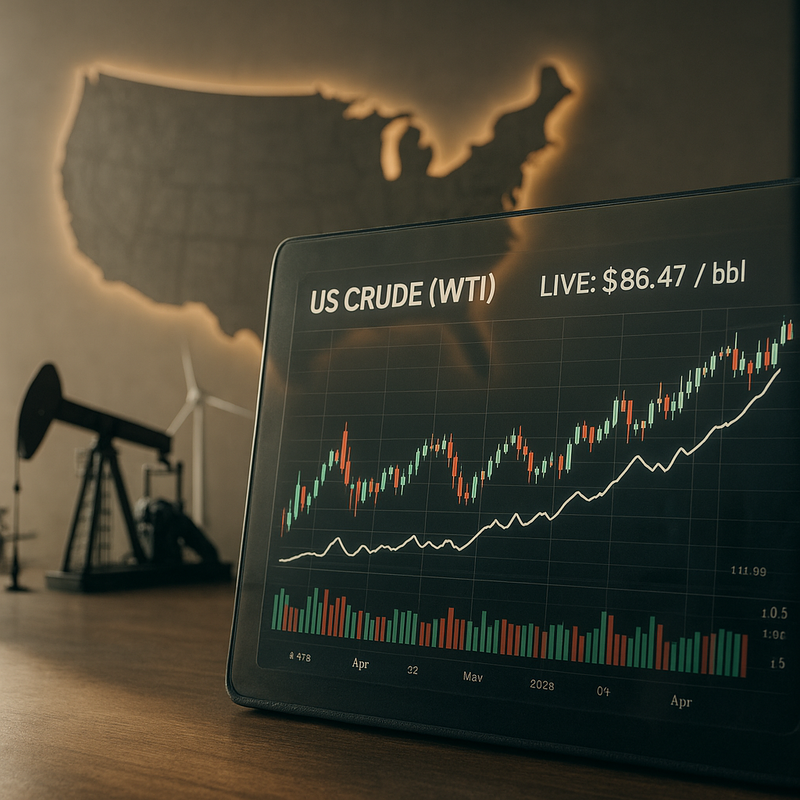
Currently, West Texas Intermediate (WTI) crude oil trades at approximately $114.87 per barrel. As with any commodity, these prices fluctuate continuously. For the most accurate and timely data, trusted platforms like OilPrice.com and Investing.com offer real-time live US crude oil price updates.
Factors Behind the Recent Price Rise
- Rebounding Global Demand: The post-pandemic economic revival has surged demand across transportation and manufacturing sectors worldwide.
- OPEC’s Production Controls: OPEC and allied producers continue output cuts to maintain market stability.
- Geopolitical Instability: Supply concerns from tense situations in major oil-producing areas have heightened price pressure.
Historical Insights: Learning from Past Trends
Studying past oil price movements sheds light on today’s market dynamics:
- Pre-Pandemic Highs: In 2014, prices topped $100 per barrel amid strong demand and limited supply.
- Pandemic Crash: The 2020 global lockdowns caused an unprecedented price collapse, including negative WTI futures prices briefly.
- Steady Recovery: Since 2022, economic reopening and widespread vaccinations have pushed prices back above $110 per barrel.
Case Studies Spotlight
The Iraq War (2003)
Fears of supply disruption from the Middle East caused a sharp price hike, illustrating how geopolitical events directly impact oil markets.
Hurricane Katrina (2005)
The hurricane severely damaged Gulf of Mexico oil infrastructure, slashing production and triggering a price spike due to supply constraints.
Key Drivers of Live US Crude Oil Price Movements
Understanding live US crude oil prices in 2026 involves several intertwined factors:
1. Supply and Demand Dynamics
Price shifts fundamentally hinge on the balance between oil production and consumption.
- Industrial Recovery: Increased manufacturing and travel drive up oil demand.
- Renewable Energy Transition: Growth in clean energy adds layers of uncertainty to traditional oil supply and demand patterns.
2. Geopolitical Factors
Political conflicts and sanctions in key oil-producing nations directly affect supply availability and market sentiment.
- Sanctions Impact: Restrictions on countries like Iran and Russia reduce global supply.
- Instability Risks: Political unrest in areas such as Venezuela and Libya adds volatility to supply chains.
3. Market Speculation
Oil prices also respond to the behavior of traders and investors.
- Futures Markets: Speculative trading can amplify price movements beyond fundamentals.
- Investor Psychology: News cycles and market expectations often trigger rapid price swings.
4. Currency Fluctuations
Since oil is priced in US dollars, dollar strength inversely affects crude oil prices—a weaker dollar generally pushes oil prices higher.
5. Technological Advances
Innovations like hydraulic fracturing and horizontal drilling have dramatically boosted US shale oil production.
- Efficiency Gains: New methods reduce costs and increase output.
- Clean Energy Tech: Growing renewable technologies may curb oil demand over time.
What Rising Oil Prices Mean for Stakeholders
Investors
- Energy stocks and ETFs tend to closely track oil prices, influencing portfolio value.
- Staying informed helps manage risks and seize opportunities linked to oil market shifts.
Businesses
- Changes in oil prices impact operational costs, particularly in transport and manufacturing.
- Accurate price forecasting informs budgeting and strategic planning.
Governments
- Policy adjustments, including taxes and subsidies, aim to stabilize energy markets.
- Oil-producing nations leverage resource control in diplomacy and economic strategy.
Looking Forward: Trends Shaping the Oil Market
The Renewable Energy Transition
Despite fast-growing renewable adoption, oil remains a critical energy source during this transition, shifting demand and market dynamics over time.
Economic Growth and Market Volatility
While steady growth boosts oil consumption, potential recessions or supply shocks can trigger price swings.
Rising Regulatory Pressure
Climate policies are tightening, potentially curbing fossil fuel production and increasing operational costs—factors likely to influence prices.
Conclusion: Stay Ahead with Live US Crude Oil Price Monitoring
In 2026, tracking the live US crude oil price is indispensable for anyone navigating investments, business operations, or energy policy. Understanding market trends, the impact of geopolitical events, and technological shifts empowers every stakeholder to make proactive and informed decisions.
Key Takeaways
- For the latest live US crude oil price data, visit OilPrice.com and Investing.com.
- Supply-demand imbalances, geopolitical events, and market speculation continue to drive price fluctuations.
- The ongoing transition to renewable energy and evolving regulations will heavily influence future market conditions.
Recommended Strategies
- Regularly monitor trusted financial news and live price platforms.
- Diversify investments to mitigate risks associated with oil price volatility.
- Educate yourself on energy market economics to stay ahead of emerging trends.
By cultivating informed awareness and adaptability, investors, businesses, and policymakers can confidently navigate the complexities of live US crude oil pricing and its wide-ranging economic impact in 2026 and beyond.
