
The Latest Trends in Crude Oil Prices: A Deep Dive into Market Dynamics for 2026
Crude oil prices remain a vital indicator of the global economy, impacting everything from transportation costs and manufacturing expenses to national fiscal policies. As we move through 2026, understanding the complex factors shaping crude oil prices offers essential insights for industry leaders, policymakers, and everyday consumers looking to navigate this ever-evolving market.
Understanding Crude Oil Price Dynamics
What Drives Crude Oil Prices?
- Supply and Demand
At the heart of crude oil pricing is the balance between supply availability and consumer demand. When supply exceeds demand, prices tend to fall; conversely, when demand outpaces supply, prices rise. - Geopolitical Events
Unrest in key oil-producing regions, such as tensions surrounding the Strait of Hormuz, can trigger significant price volatility by threatening oil transit routes and supply certainty. - OPEC Policies
Decisions made by the Organization of the Petroleum Exporting Countries (OPEC) and its allies (OPEC+) play a pivotal role in controlling global oil supply and influencing price stability through production adjustments. - Economic Indicators
Economic growth metrics, employment rates, and industrial activity levels directly impact oil consumption. Strong economic performance generally boosts oil demand and prices. - Technological Advances
Innovations like hydraulic fracturing and advanced drilling methods expand supply potential and reduce production costs, which can exert downward pressure on crude oil prices. - Environmental Regulations
Tighter emissions standards and policies promoting renewable energy adoption gradually alter demand patterns, shaping future crude oil pricing structures.
Current State of Oil Prices in 2026
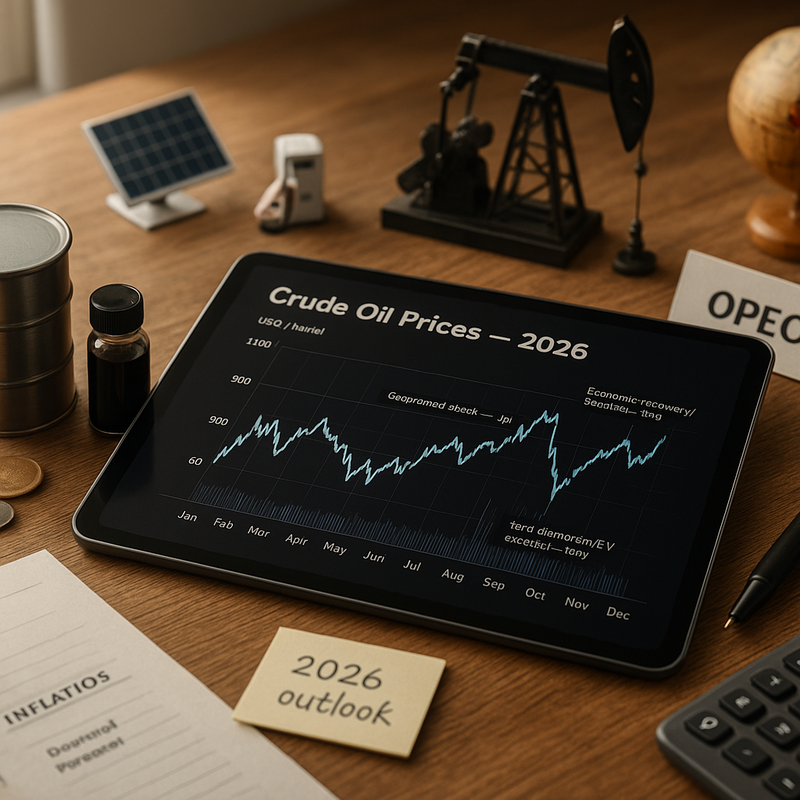
As of March 2026, Brent crude oil prices have stabilized around $98.96 per barrel. Recent trading saw prices spike to nearly $119.50 per barrel, reflecting swift market reactions to geopolitical developments and supply decisions (source: CNBC).
Price Performance Over the Past Year
Brent crude oil has surged approximately 93.75% in the past twelve months, signaling a strong post-pandemic recovery alongside persistent market volatility fueled by global uncertainties (source: Trading Economics).
Key Factors Behind Recent Price Movements
Geopolitical Tensions
The Strait of Hormuz remains a critical chokepoint, where any hint of conflict or sanctions generates heightened concerns over oil supply interruptions, causing immediate price fluctuations.
OPEC+ Production Strategies
OPEC+’s adjustments to output continue to influence market equilibrium. Production cuts tend to tighten supply, supporting prices, while output increases provide relief, reducing upward price pressure.
Economic Recovery Momentum
The rebound of industrial sectors and travel post-pandemic has elevated oil consumption, underscoring robust economic confidence that sustains strong oil demand and price support.
Transition to Renewable Energy
Despite steady progress in renewable energy adoption, fossil fuels still dominate the current energy mix. This uneven energy transition adds uncertainty to future oil demand but maintains solid price foundations for now.
Supply Chain and Logistic Challenges
Disruptions from natural events and infrastructural constraints occasionally tighten supply chains, causing intermittent crude price spikes. The intricate relationship between global shipping lanes and oil logistics further complicates market dynamics.
Economic Implications of Oil Price Volatility
Impact on Consumers
Rising crude oil prices commonly translate into higher fuel costs, squeezing household budgets and influencing broader consumer spending patterns. These increases also elevate transportation-related goods’ prices, feeding into general inflation trends.
Industry-Level Effects
Industries reliant on energy, including transportation, manufacturing, and petrochemicals, face increased operational expenses with climbing oil prices, which can pressure profit margins or necessitate price hikes.
Broader Global Economic Consequences
Volatile oil prices contribute to inflationary pressures worldwide. In response, central banks may adjust monetary policies, including interest rates, affecting borrowing costs and overall economic growth trajectories.
Strategic Approaches to Managing Oil Price Fluctuations
For Businesses
Companies in oil-dependent sectors should utilize risk mitigation strategies such as hedging contracts to shield against price swings. Flexible supply agreements can also enhance adaptability amid uncertain market conditions.
For Consumers
Adaptation strategies include increasing mass transit usage, carpooling, or choosing more fuel-efficient vehicles. A clear understanding of crude oil pricing’s broader economic impact can support better personal financial planning.
Conclusion
Crude oil prices in 2026 continue to be shaped by geopolitical complexities, production policies, and evolving economic factors. Staying informed about these influences is crucial for effectively navigating the energy markets this year.
Key Takeaways
- Geopolitical events, especially in the Middle East, remain key drivers of recent crude oil price volatility.
- Post-pandemic economic recovery has fueled a strong surge in oil demand, while the rise of renewable energy introduces long-term uncertainties.
- Fluctuating oil prices affect consumer costs, industry operations, and global economic stability.
Recommended Actions
Stay updated with leading financial news sources like Bloomberg and OilPrice.com to monitor real-time oil price trends and market analyses. Subscribing to specialized economic forecasts and energy market reports can provide a strategic edge for businesses and consumers alike in responding to ongoing crude oil price changes.
