
Understanding NYMEX and Brent Crude Oil Prices: Essential Insights for 2026
In the fast-changing world of energy markets, keeping up with crude oil prices is vital for investors, traders, and industry experts. As we approach 2026, grasping the dynamics of NYMEX and Brent crude oil benchmarks is key to making smart decisions. This post breaks down these important benchmarks, the main factors driving their price changes, and what the near future might bring.
What Are NYMEX and Brent Crude Oil?
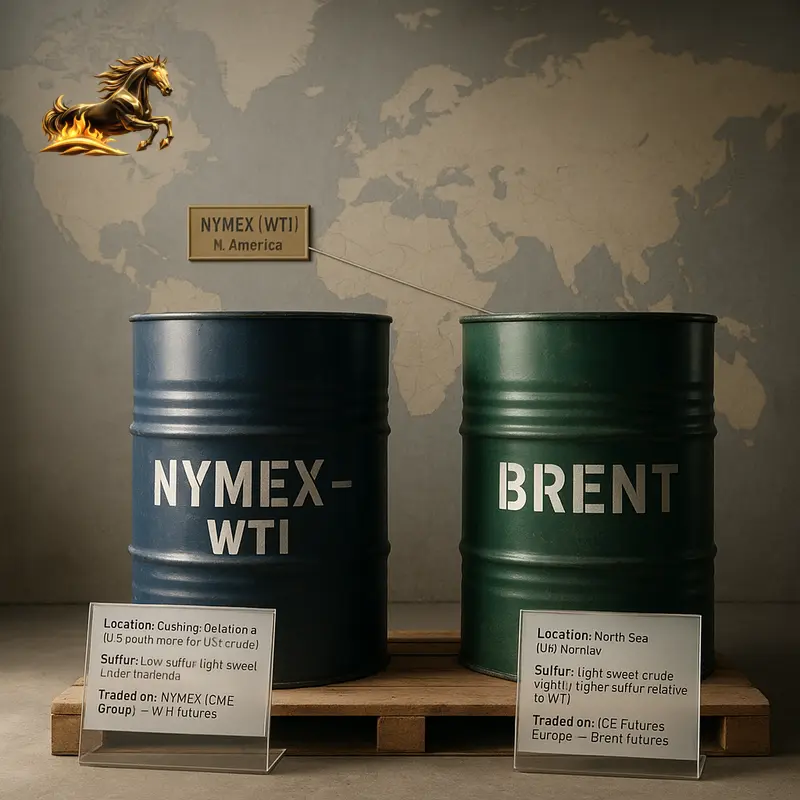
NYMEX (New York Mercantile Exchange) futures mainly track West Texas Intermediate (WTI) crude, a key benchmark for North American oil. Brent crude oil, traded on the ICE (Intercontinental Exchange), acts as the global standard, representing oil from the North Sea.
Both benchmarks set pricing standards for crude oil worldwide but differ due to variations in sulfur content, location, and supply-demand dynamics.
Key Factors Influencing Crude Oil Prices in 2026
Several critical factors will shape NYMEX and Brent crude price movements in 2026:
-
Geopolitical Developments
The Middle East, Russia, and North Africa remain hotspots where political tensions, sanctions, or diplomacy can disrupt supply and trigger volatility. -
OPEC+ Production Policies
OPEC and its allies’ decisions on output levels impact global supply and price stability. Market players will closely watch for any production cuts or increases. -
Energy Transition Trends
The shift toward renewables and electric vehicles may reduce oil demand over time, potentially pressuring prices downward while adding uncertainty about future consumption. -
Global Economic Growth
Oil demand closely ties to economic activity—growth fuels higher consumption, while downturns reduce demand and soften prices. -
Supply Chain and Technological Advances
Innovations in extraction, like shale oil, and improvements in logistics influence supply capabilities and cost-efficiency.
Comparing WTI and Brent: What to Anticipate
Brent crude usually trades at a premium over WTI, due to its global reach and lower sulfur content. Yet regional factors like U.S. pipeline limits or inventory changes can temporarily invert this gap.
By 2026, the relationship between U.S. shale output, global demand, and transport costs will continue to shape the price spread. Keeping an eye on these aspects will help anticipate benchmark differences effectively.
Investment and Trading Tips for 2026
Understanding NYMEX and Brent pricing nuances is crucial for investors and traders:
- Risk Management: Geopolitical uncertainty calls for smart risk strategies, including futures and options usage.
- Diversification: Exposure to both WTI and Brent can protect against regional supply swings.
- Market Monitoring: Staying updated on OPEC+ moves, economic trends, and tech advances supports proactive trading.
Final Thoughts
Forecasting exact crude oil prices in 2026 demands ongoing attention to a web of factors. While NYMEX WTI and Brent reflect distinct market influences, informed investors can navigate with research and agility.
For the latest, trustworthy insights, regularly consult reliable financial sources, government energy data, and expert analyses. This approach ensures a well-rounded view of crude oil markets as we head into 2026.
If you want to dive deeper into 2026 forecasts or specific data, I’m here to help craft tailored, data-driven content that supports your investing and trading goals.
