
body {
font-family: -apple-system, BlinkMacSystemFont, “Segoe UI”, Roboto, Oxygen,
Ubuntu, Cantarell, “Open Sans”, “Helvetica Neue”, sans-serif;
line-height: 1.6;
color: #222;
background-color: #fff;
padding: 20px;
max-width: 900px;
margin: auto;
}
h1 {
color: #0d47a1;
font-weight: 700;
border-bottom: 3px solid #0d47a1;
padding-bottom: 8px;
margin-bottom: 24px;
font-size: 2.8rem;
}
h2 {
color: #1565c0;
border-left: 6px solid #1565c0;
padding-left: 12px;
margin-top: 40px;
margin-bottom: 18px;
font-size: 1.9rem;
}
h3 {
color: #1976d2;
margin-top: 28px;
margin-bottom: 14px;
font-size: 1.45rem;
font-weight: 600;
}
p {
margin-bottom: 16px;
font-size: 1.05rem;
color: #333;
}
ul {
margin-left: 24px;
margin-bottom: 18px;
color: #444;
font-size: 1.04rem;
}
li {
margin-bottom: 8px;
}
hr {
border: none;
border-top: 1.5px solid #e0e0e0;
margin: 36px 0;
}
blockquote {
border-left: 4px solid #82b1ff;
background: #e3f2fd;
padding: 12px 20px;
margin: 22px 0;
font-style: italic;
color: #0d47a1;
}
pre {
background: #f1f1f1;
padding: 14px 18px;
overflow-x: auto;
border-radius: 4px;
}
.faq-question {
font-weight: 700;
margin-top: 18px;
color: #0d47a1;
}
.faq-answer {
margin-left: 18px;
margin-bottom: 16px;
color: #333;
}
Today’s Crude Oil Price Per Barrel: Navigating Volatility,
Today’s Crude Oil Price Per Barrel: Navigating Volatility, Geopolitics, and the 2026 Market Outlook
The crude oil price is far more than just a number flashing on trading screens—it’s a dynamic reflection of global economic conditions, geopolitical tensions, and evolving energy market trends. As we move through mid-2026, oil prices are fluctuating sharply, influenced by geopolitical developments and shifting supply and demand fundamentals. For investors, policymakers, and consumers alike, understanding these key drivers is essential to navigating today’s unpredictable energy landscape. This article dives deep into recent crude oil price movements, the core factors shaping the market in 2026, and practical insights to prepare for what lies ahead.
Today’s Market Snapshot: A Sudden Price Correction
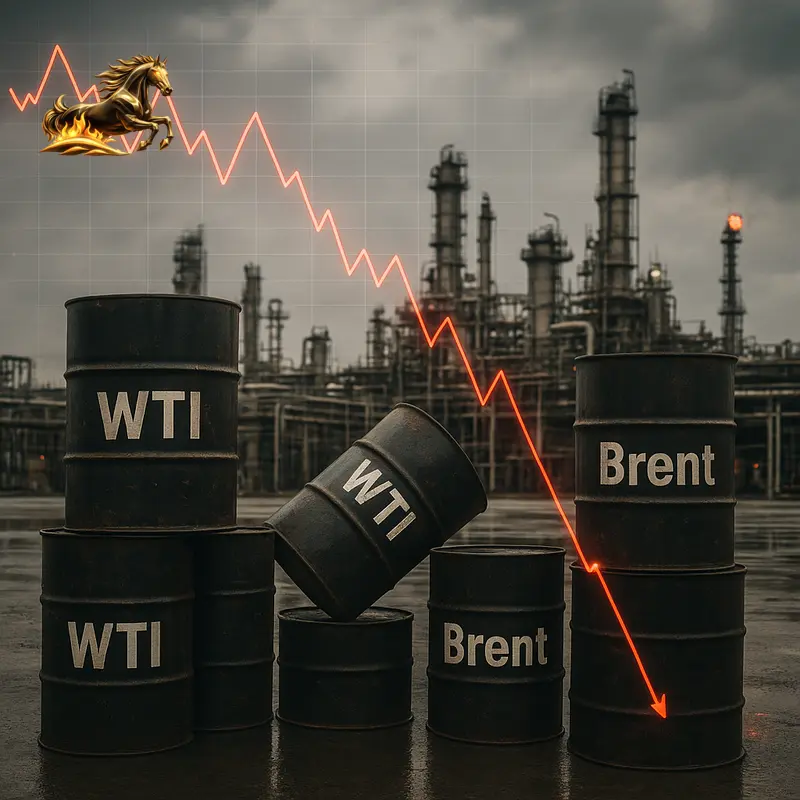
June 2026 has seen pronounced volatility in crude oil prices. After a recent surge, the market cracked sharply, with one of the most significant single-day drops in weeks.
WTI and Brent Crude Retreat
- West Texas Intermediate (WTI): Trading between $76 and $78 per barrel, WTI prices plunged 4-5% in a single session, following a strong rally where it jumped 8.5%—its largest daily gain since 2020.
- Brent Crude: Brent, the global benchmark, mirrored this trend with a 4-5% decline, slipping from around $83.75 to about $79-$84 per barrel. WTI hovered near $80.87 during this retreat.
This widespread sell-off also impacted markets like India’s Multi Commodity Exchange (MCX), where crude oil futures experienced a 5.5%+ drop, signaling global risk-off sentiment.
What Caused the Sharp Decline?
The catalyst was encouraging news pointing toward a de-escalation of Middle East tensions. Positive signals about a potential US-Iran peace deal and the reopening of vital Gulf shipping lanes prompted traders to shed the “war risk premium” previously baked into prices. As risks of supply disruption eased, the spotlight shifted back to supply-demand realities, such as inventory levels and demand outlooks.
This episode exemplifies how geopolitical developments can swiftly tilt markets, with economic fundamentals regaining influence once tensions soften.
Key Factors Driving Crude Oil Prices in 2026
Beyond headline swings, oil prices are shaped by deeper, ongoing supply and demand trends intertwined with geopolitics.
Supply-Side Influences: OPEC+, US Shale, and Regional Constraints
- OPEC+ Production Policies: The collective decisions of OPEC and its allies remain central to global oil supply control. Recent discussions focus on balancing rising US production with slowing global demand to sustain price stability.
- US Shale Efficiency: US shale producers continue to temper price spikes through technological advances that boost output responsiveness and efficiency, limiting volatility caused by supply shortages.
- Regional Challenges: Localized issues like Gulf infrastructure damage and tanker bottlenecks sustain supply tightness regionally, a constraint likely to last into 2027 and support price floors despite broader market corrections.
Demand Pressures: Economic Growth, Energy Transition, and Innovation
- Varied Global Demand: Demand is uneven—developing economies are still driving industrial growth and oil consumption, while mature markets show weaker demand trends, weighing on prices.
- Energy Transition Impact: Accelerated adoption of renewables and electrification, highlighted by the International Energy Agency (IEA), signals reaching peak oil demand and possible supply surpluses by 2026.
- Technological Advances: Progress in battery storage, green hydrogen, and energy efficiency is reducing oil dependency, especially in transportation and industry, eroding long-term oil demand growth.
Geopolitical Risk Premium: The Middle East’s Ongoing Influence
Geopolitical developments remain a dominant factor causing price swings, with the Strait of Hormuz as a pivotal chokepoint.
The Strait of Hormuz – Global Oil’s Critical Passage
Nearly 20% of global oil flows through this narrow waterway. Any threat there triggers immediate price spikes due to perceived supply disruption risks. Early 2026 saw oil top $100 per barrel amid heightened tensions, but recent diplomatic progress has quickly eased these concerns, trimming the risk premium though some uncertainty persists.
U.S. Policy and Market Sentiment
U.S. foreign and energy policy decisions continue to impact global supply confidence. Washington’s balancing act between keeping domestic energy affordable and ensuring global oil flow reliability drives market reactions to policy announcements.
Economic Implications of Oil Price Movements
Oil prices ripple through economies affecting inflation, business planning, and consumer behavior.
Inflation Pressures and Monetary Policy
- Cost-Push Inflation: Rising crude oil elevates transportation and production costs, feeding directly into inflation and influencing central banks’ monetary tightening decisions.
- 2026 Policy Dynamics: Recent oil price drops provide central banks some breathing room, aiding efforts to manage inflation without derailing economic growth.
Corporate Adaptation and Consumer Impact
- Business Strategies: Companies hedge fuel expenses and accelerate investments in efficiency and alternative energies like electrification to mitigate volatile oil prices.
- Consumer Effects: Fuel price swings influence household budgets and spending confidence, underscoring the broad economic reach of crude oil price changes.
Long-Term Outlook: Crude Oil Amid the Global Energy Transition
Today’s price action is part of a bigger picture: the energy transition reshaping oil’s future.
Renewables Versus Fossil Fuels
- Investment Shifts: Capital is increasingly flowing to renewables, raising financing costs and risks for fossil fuel projects, with potential stranded assets looming.
- Structural Demand Changes: Growing electric vehicle adoption and cleaner industrial processes reduce oil’s long-term demand, reshaping market fundamentals.
Regulatory and Strategic Challenges
- Climate Policy Impact: Stricter climate regulations and carbon pricing affect operational costs and strategic decisions for oil producers.
- OPEC+ in Transition: The oil cartel faces the challenge of optimizing current revenues while preparing for a future with declining fossil fuel dependence.
Strategic Takeaways for Stakeholders
In this intricate landscape, adaptability and foresight are key.
Investors and Traders
- Look past headline-driven volatility to identify sustainable supply-demand trends.
- Incorporate energy transition scenarios into long-term investment models.
- Monitor inventory metrics closely as reliable market signals.
Policymakers and Industry Leaders
- Foster energy diversification for a resilient supply mix.
- Encourage economic diversification beyond oil reliance.
- Design policies that address social impacts during energy transitions.
Consumers
- Stay updated on global developments that influence fuel costs to manage budgets effectively.
- Adopt energy efficiency to save money and support sustainability goals.
Conclusion: Beyond Today’s Numbers
The current mid-to-high $70s price range, following a steep correction, reflects a complex interplay of easing geopolitical risks, concerns over demand softness, and persistent energy transition forces. While geopolitical events will continue to stir volatility, the broader narrative points to oil’s evolving role in the global energy future.
Navigating 2026’s crude oil market requires balancing agility in confronting short-term shocks with strategic planning for a changing energy world. Understanding today’s price drivers provides clarity amid uncertainty and informs decisions that resonate beyond the trading floor.
Frequently Asked Questions (FAQ)
Q1: Why did crude oil prices drop sharply today?
A sudden 4-5% price drop happened as traders rapidly shed the “war risk premium” following encouraging US-Iran peace talks and reopening of Gulf shipping routes, easing fears of supply disruption.
Q2: What distinguishes WTI from Brent crude oil prices?
WTI is a US-produced light sweet crude serving as the North American benchmark, while Brent, from the North Sea, is the global benchmark. Brent typically trades at a slight premium due to its broader international trade role.
Q3: How do Middle East geopolitical events impact global oil prices?
Tensions around strategic chokepoints like the Strait of Hormuz inflate oil prices via risk premiums. Stability in the region lowers these premiums and stabilizes prices.
Q4: What does a “market surplus by 2026” mean?
It forecasts supply exceeding demand largely due to strong non-OPEC production and declining consumption from energy transition trends, generally pushing prices downward.
Q5: How do changes in crude oil prices affect gasoline and inflation?
Since crude oil is the primary input for gasoline, its price shifts affect pump prices after a lag. Because transportation costs influence most goods, changes in oil prices contribute to overall inflation trends and influence central bank policies.
