
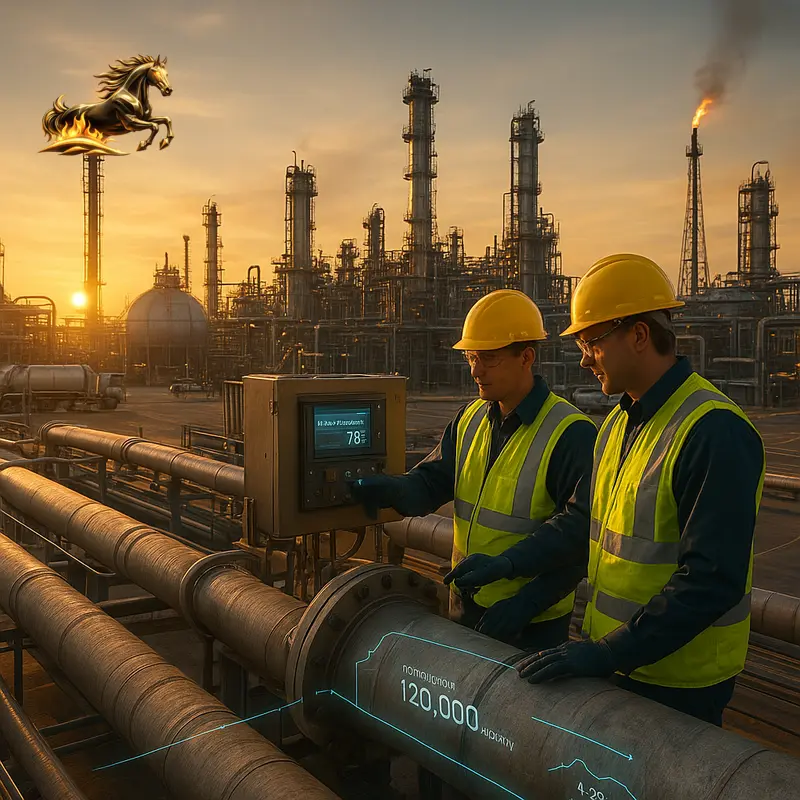
The Gas Liquefaction Process in 2026: Innovation, Efficiency, and Global Impact
In 2026, the global energy landscape is transforming swiftly, and at its heart lies a vital yet often underappreciated process: gas liquefaction. This engineering feat converts natural gas into liquid form, making it easier and more efficient to store and transport worldwide. Today, gas liquefaction is no longer just about extreme cold and massive industrial plants; it’s smarter, more efficient, and more crucial than ever for securing the world’s energy future. From major projects across Mexico and Canada to innovative technological breakthroughs, gas liquefaction continues to evolve—meeting rising demand while tackling environmental and economic challenges. This article breaks down the process and spotlights the latest advancements shaping this essential energy link.
Understanding Gas Liquefaction: The Backbone of Global Natural Gas Trade
At its core, gas liquefaction involves cooling natural gas—mainly methane—to about -162°C (-260°F), shrinking its volume nearly 600 times to create Liquefied Natural Gas (LNG). This compact form is far more cost-effective for shipping gas across oceans, bridging producers and consumers worldwide.
Why does this matter so much today?
- Energy Security: LNG diversifies supply sources for importing countries, providing a reliable alternative to pipeline gas amid geopolitical uncertainties.
- Unlocking Remote Resources: Gas-rich areas without pipelines—like parts of the US, Mozambique, and Canada—can monetize their reserves through LNG exports.
- Facilitating the Energy Transition: As a cleaner “bridge fuel,” natural gas emits less greenhouse gas than coal or oil. LNG infrastructure supports this shift while renewables continue to scale.
- Meeting Growing Demand: The International Energy Agency forecasts rising global natural gas consumption, with LNG supplying most of the increase, emphasizing the need for expanded liquefaction capacity.
In short, gas liquefaction forms the foundation of modern energy markets, enabling flexible, long-distance gas trade and boosting global energy stability.
How the Gas Liquefaction Process Works: Step-by-Step
Turning gaseous methane into LNG requires a series of meticulously engineered steps designed to prepare, cool, and store natural gas efficiently.
1. Pre-Treatment
Raw natural gas must be purified to protect the liquefaction process:
- Acid Gas Removal: Hydrogen sulfide (H₂S) and carbon dioxide (CO₂) are stripped out using amine solvents.
- Dehydration: Water vapor is removed to prevent ice formation during cooling.
- Mercury and Heavy Metals Removal: Trace contaminants are extracted to safeguard equipment.
- Hydrocarbon Recovery: Heavier hydrocarbons like propane and butane are separated and sold separately.
2. Refrigeration Cycle
This is where the magic happens—cooling the gas to cryogenic temperatures using advanced refrigeration technologies:
- Propane Pre-Cooled Mixed Refrigerant (C3MR) Cycle: The industry standard, it cools the gas with propane before mixed refrigerants complete liquefaction.
- Single Mixed Refrigerant (SMR) Cycle: Simpler and favored for smaller or floating plants.
- Dual Mixed Refrigerant (DMR) Cycle: Uses two separate refrigerant loops for greater efficiency in certain conditions.
Compressors circulate refrigerants through compression, cooling, and expansion, using the Joule-Thomson effect to absorb heat from the natural gas.
3. Liquefaction and Storage
The gas condenses into LNG, then is further chilled to stay liquid during storage. Specialized insulated tanks minimize boil-off gas, preserving LNG until shipment.
This complex blend of cryogenics and precision engineering ensures natural gas remains stable and transportable.
Innovation Powering Liquefaction in 2026
Technological advances are driving gas liquefaction toward greater efficiency, environmental responsibility, and market agility.
Energy Efficiency Upgrades
- AI and Digital Twins: Real-time AI optimization helps plants dynamically fine-tune operations and cut energy use.
- Next-Gen Heat Exchangers: Improved materials and designs boost heat transfer, lowering compressor workload.
- Waste Heat Recovery: Thermal energy from turbines is recaptured and reused to reduce waste and generate onsite power.
Environmental Sustainability
- Electrification of Equipment: Gas turbines are replaced by electric motors powered by renewables, slashing direct emissions.
- Carbon Capture and Storage (CCS): CO₂ capture is integrated into plants to limit greenhouse gas emissions.
- Boil-Off Gas Management: Innovative systems recycle or use evaporated LNG gases as fuel instead of flaring, reducing emissions.
Modular and Adaptable Infrastructure
- Modular LNG Trains: Factory-built modules speed up construction and cut costs, opening doors for smaller projects.
- Floating LNG (FLNG): Offshore liquefaction units unlock remote gas fields without huge onshore infrastructure.
Strategic Collaborations
Leading technology providers and developers are joining forces to deliver cutting-edge, sustainable liquefaction designs—like Honeywell’s role in NextDecade’s Rio Grande LNG project.
Together, these innovations underscore a commitment to smarter, cleaner, and more versatile LNG solutions.
Highlighted Projects Shaping 2026
- ECA LNG, Mexico: Boosts capacity to serve Pacific markets and regional energy needs.
- Shell LNG Canada: Connects Canada’s vast gas reserves to Asian demand efficiently.
- Cheniere Sabine Pass Train 7, USA: Expands a premier export terminal, reflecting strong market confidence.
- Commonwealth LNG, Louisiana: Raised nearly $10 billion, demonstrating viability despite high costs.
- NextDecade Rio Grande LNG, Texas: Incorporates top-tier technology in a growing Gulf Coast energy hub.
The Road Ahead: Future of Gas Liquefaction
- Renewable and Hydrogen Integration: Plants may adapt to liquefy hydrogen and ammonia, advancing low-carbon energy carriers.
- Full Digitalization: Automation and AI-powered predictive maintenance will become standard practice.
- Feedstock Flexibility: Technologies will adjust to evolving gas compositions as fields mature.
- Small-Scale LNG Expansion: Greater access for remote power and transport fuels will broaden the market.
Conclusion: Gas Liquefaction—Pillar of Energy Progress
Gas liquefaction showcases human ingenuity—transforming natural gas into a globally traded energy cornerstone critical for security, growth, and the energy transition. In 2026, it stands more efficient, environmentally conscious, and adaptable than ever, enabling a sustainable energy future.
Key takeaways:
- Energy Efficiency Gains cut costs and emissions.
- Decarbonization Measures are essential for project success.
- Modular and Flexible Designs unlock new markets rapidly.
- Global LNG Expansion enhances resilience and energy interconnection.
As the technology advances, gas liquefaction continues to link energy resources to communities worldwide, fueling progress for decades ahead.
Frequently Asked Questions (FAQ)
Q1: How much does it cost to build an LNG liquefaction plant?
Large-scale LNG export facilities on the US Gulf Coast typically cost between $10 and $20 billion, depending on size and technology. Modular plants offer more affordable options, generally ranging from $1 to $5 billion.
Q2: Why is liquefaction energy-intensive?
Achieving cryogenic temperatures demands powerful refrigeration cycles that compress and expand refrigerants. Usually, 5–10% of the gas feedstock fuels this process, though electrification and efficiency innovations are lowering those numbers.
Q3: What’s the difference between a liquefaction “train” and a “plant”?
A train is a single liquefaction processing unit, while a plant combines multiple trains with storage tanks, loading equipment, and utilities.
Q4: Can LNG be produced from renewable sources?
Yes. Bio-LNG comes from liquefied biogas derived from organic waste. Synthetic LNG, made by combining green hydrogen with captured CO₂, is emerging as a carbon-neutral option, albeit still in early stages.
Q5: How long does it take to build a major LNG export project?
A new large LNG plant typically requires 5 to 7 years from planning through first shipment. Expansions at existing sites can be completed faster.
Understanding today’s innovations and challenges in the gas liquefaction process helps illustrate its pivotal role in building an efficient, flexible, and sustainable energy future worldwide.
