
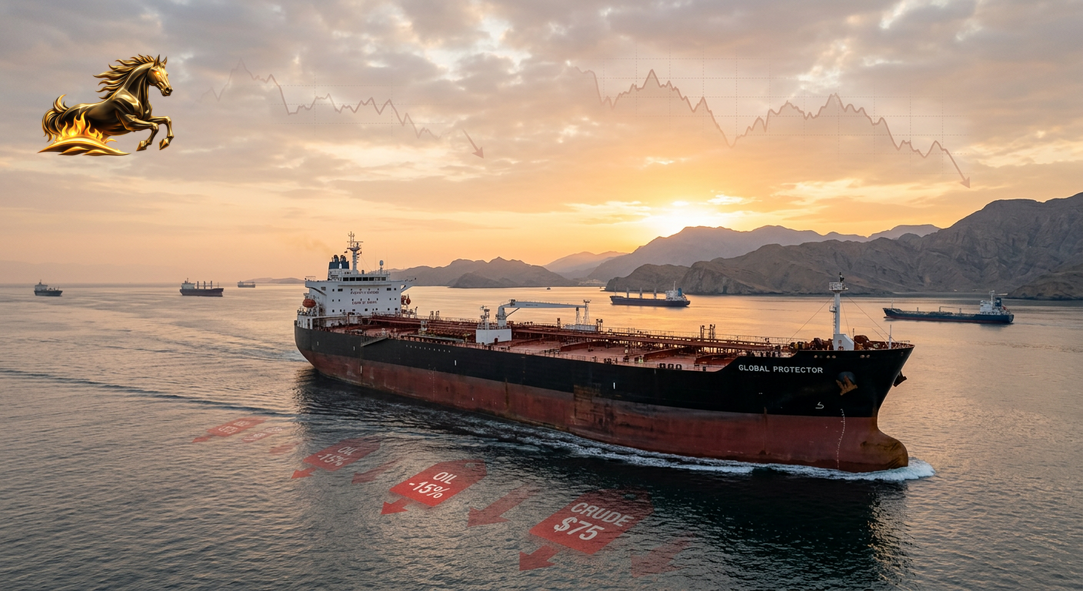
Strait of Hormuz Reopens, Iran Deal Advances: Here’s Why Oil Prices Plunged Back to Pre-War Levels
Oil prices often soar on fear and uncertainty, only to crash back just as fast when those fears ease. That’s exactly what we’ve seen recently as the Strait of Hormuz reopened more fully for commercial shipping and progress in U.S.–Iran talks cooled worries about a long-lasting energy disruption. After spiking on conflict risk, Brent and WTI futures dramatically dropped—shedding much of the conflict premium and settling back near pre-war levels.
This price plunge is more than a fleeting headline. It reveals how tightly geopolitical tensions are woven into global energy markets and reminds us that lower crude prices don’t instantly translate into cheaper fuel or economic relief. The Strait of Hormuz is a vital artery, funneling about one-fifth of the world’s oil exports. But turning safer tanker routes into stable gasoline prices and less inflation is a complex, gradual process.
In this article, we explore what triggered this sharp reversal, why the Strait of Hormuz matters so much, who benefits or struggles from dropping oil prices, and what investors, businesses, and consumers should watch as the situation unfolds.
What Changed? Key Developments That Shifted Oil Market Sentiment
Months of tension threatening Gulf shipping and supply disruptions eased thanks to three major signals:
- The Strait of Hormuz is reopening more fully to commercial vessels.
- U.S.–Iran diplomatic talks are showing real progress toward a broader settlement, including energy security.
- Oil traders are peeling back the geopolitical risk premium baked into crude prices.
Before the crisis, about 20% of global oil exports flowed through Hormuz. Brent crude hovered below $70 per barrel until fears drove it above $100—peaking above $119 amid the conflict surge. Then, as Iran pledged to keep the strait open during a ceasefire and diplomacy gained momentum, prices tumbled sharply, with futures falling more than 5%.
The takeaway? Oil prices rise on fears of shortages and plummet when those fears recede. The reopening of shipping lanes and diplomatic progress effectively erased the war-risk premium, signaling that the worst supply disruption scenario is now less likely.
Why the Strait of Hormuz Is a Global Energy Hotspot
The Strait of Hormuz isn’t just a narrow channel — it’s a central lifeline. Nestled between Iran, Oman, and the UAE, it connects the Persian Gulf to the Arabian Sea and channels a massive share of the world’s oil exports.
Global Impact at a Glance
Oil from Saudi Arabia, Iraq, Kuwait, Qatar, and the UAE transit Hormuz to reach buyers worldwide. Major economies like China, India, Japan, South Korea, and Europe rely heavily on this route, making its stability a global concern.
Even rumors of disruption ignite big price swings because a blockade or closure means:
- Sharp increases in crude prices
- Higher insurance costs for tankers
- Longer, costlier shipping routes
- Rising fuel prices everywhere
- Broader inflation and market volatility
The strait also affects natural gas, refined products, and petrochemicals, which power everything from electricity and farming to plastics and freight.
From Blockade Fears to Shipping Relief: What Sparked the Price Collapse?
A shift from high-risk shock to cautious optimism triggered the recent oil price plunge.
Shipping Lanes Are Opening
When the strait reopened for commercial shipping, the physical risk eased. Shipowners and insurers often react fast to threats by rerouting or delaying, hiking costs. Relief on this front calmed supply fears.
Diplomatic Progress Calms Markets
Signs that the U.S. and Iran might strike a durable deal—including maritime security assurances—lowered political risk premiums. Traders now expect steadier, safer oil supply conditions.
Reduced Military Tensions Ease Costs
Lower naval conflict risk means cheaper insurance and freight, plus less speculative buying, all pushing oil prices down.
Why Did Oil Prices Drop So Fast?
Oil futures reflect expectations about the future. The swift price fall happened because:
- War-risk premiums vanished: With de-escalation, the extra cost built into prices for potential supply shocks disappeared.
- Speculators exited big bets: Traders betting on rising prices sold off, accelerating the downward move.
- Better supply outlook: Confidence rose that crude flows would stay steady as routes reopened.
Together, these pushed prices back close to where they stood before the conflict triggered a spike.
What Does “Pre-War Levels” Actually Mean?
“Pre-war levels” means prices just before conflict fears gripped markets. Brent was below $70 per barrel before tensions flared, then surged past $100, topping $119. Now, prices have retreated near that earlier range after shedding most geopolitical risk premiums. But it’s not an instant fix—gas prices and economic relief lag crude price moves due to refining, taxes, and distribution factors.
Consumers: Cheaper Fuel Is Coming, Just Not Overnight
Lower crude prices should ease fuel and energy costs over time—good news for drivers, airlines, and freight-dependent goods. But refining delays, existing inventory bought at higher prices, and supply chain recovery mean that pump prices won’t drop dramatically overnight. Expect gradual relief over weeks or months.
Winners and Losers as Oil Prices Slide
Who Gains?
- Oil-importing countries: Nations like China, India, Japan, and much of Europe benefit from lower import costs and reduced inflationary pressures.
- Consumers: Gradually lower fuel and transport costs free up household budgets.
- Transportation and aviation: Airlines, trucking, and shipping firms see improved margins with cheaper fuel.
- Central banks and markets: Lower inflation eases monetary policy pressure and fuels investment confidence.
Who Struggles?
- Oil exporters: Countries relying heavily on oil revenue—Saudi Arabia, Iran, Russia—face tighter budgets when prices dip.
- High-cost producers: Expensive projects in deepwater, Arctic, or shale may be delayed or cut.
- Energy sector investors: Falling prices hit oil company profits and shareholder returns.
- Renewables: Cheaper fossil fuels can slow clean energy investments, though climate goals remain a driver.
Broader Economic Effects to Watch
Oil prices influence inflation, currencies, trade, and interest rates worldwide. A sustained drop backed by Hormuz reopening and diplomacy could:
- Soften inflation and reduce the need for aggressive interest rate hikes.
- Improve trade balances for importers while challenging exporters.
- Boost consumer spending and business investment by cutting energy costs.
Still, policy makers remain alert for geopolitical shifts that could reverse this trend.
Risks: Is the Calm Here to Stay?
The big question: will this easing of risk stick?
Watch for:
- Stability of ceasefires and peace agreements.
- Implementation of the U.S.–Iran deal, especially around maritime security.
- Risk of renewed regional conflicts or provocations.
Oil markets can swing quickly if tensions flare again.
What Could Send Oil Prices Back Up?
- New tanker attacks or military clashes in the Strait of Hormuz.
- Breakdown or stall in U.S.–Iran diplomacy.
- OPEC+ production cuts responding to price drops.
- Unexpected spikes in global oil demand.
- Strategic stockpiling at favorable prices.
What Might Push Prices Even Lower?
- Durable peace and full maritime reopening reducing costs.
- OPEC+ maintaining or boosting production amid weaker demand.
- Global economic slowdown curbing oil consumption.
- Increased speculative short selling betting on oversupply.
What Should Investors, Businesses, and Consumers Do?
Investors need to distinguish if price moves reflect geopolitical calm or weaker demand. Tracking tanker activity, diplomacy, futures curves, and OPEC+ actions is crucial.
Businesses should revisit energy procurement, hedge strategies, and budgets while consumers can anticipate gradual energy cost relief but stay prepared for timing delays.
Final Takeaway: Energy Security Still Matters Most
The Strait of Hormuz reopening and Iran deal progress remind us that energy security hinges on safe transit routes, effective diplomacy, and diverse supply chains.
The recent oil price crash signals relief but depends on sustained peace and stable maritime conditions. Policymakers, companies, and consumers should stay optimistic yet cautious in this evolving energy story.
If the tankers keep flowing freely, the world stands to gain from steadier prices and less volatility—benefiting the global economy and everyday consumers alike.
