
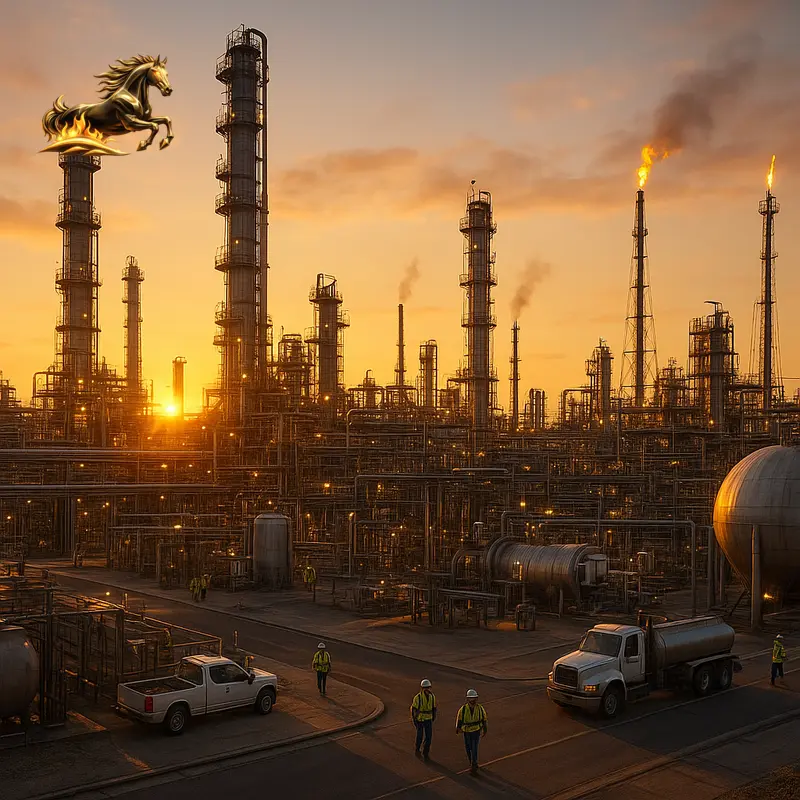
Methyl Hydrate Fuel: The Next Frontier in Sustainable Energy for 2026
As the world faces the dual challenge of powering an expanding population while combating climate change, the energy landscape is rapidly evolving. In 2026, methyl hydrate fuel emerges as a key focus in sustainable energy dialogue—encompassing both methanol as a cleaner-burning fuel and the enormous potential of methane hydrate reserves hidden beneath our oceans. This dynamic field signals a promising leap toward cleaner, reliable energy sources. With leading countries spearheading cutting-edge research and technology, methyl hydrate fuel is transitioning from a futuristic idea to a strategic imperative. This post explores what methyl hydrate fuel truly is, the groundbreaking progress propelling it forward, and the opportunities and challenges shaping its future.
Understanding Methyl Hydrate Fuel: More Than Just a Name
Methyl hydrate fuel bridges two innovative concepts vital to global energy progress:
- Methanol (CH₃OH): A versatile liquid alcohol fuel traditionally made from natural gas or biomass, rapidly gaining traction in sectors where electrification is tough—like maritime shipping. Burning cleaner than heavy oils, methanol drastically cuts sulfur and particulate emissions, making it a practical and cleaner alternative.
- Methane Hydrate: Often dubbed “combustible ice,” methane hydrate is a crystalline solid that traps methane molecules within frozen water, found beneath Arctic permafrost and deep in ocean floors. While not a fuel itself, it holds a colossal untapped store of methane—a major natural gas component—that can be transformed into fuels such as methanol or hydrogen.
Together, methyl hydrate fuel symbolizes the synergy between today’s scalable methanol use and future efforts to unlock methane hydrate reserves, potentially reshaping global natural gas supply chains. Advances in one field accelerate the other, carving out a cohesive sustainable energy path.
Five Breakthroughs Shaping Methyl Hydrate Energy in 2026
Recent innovations are rapidly pushing methyl hydrate fuels from theory to practice. Here are five game-changing developments driving momentum:
1. U.S. Labs Innovate Efficient Synthetic Gas Hydrate Storage
The U.S. Department of Energy’s National Energy Technology Laboratory (NETL) introduced a revolutionary technique to create synthetic gas hydrates under milder conditions—lower pressure and moderate temperature—using simply water and methane. This breakthrough slashes the energy and equipment costs of methane storage and transport, promising safer, more efficient solutions for remote gas fields and the future exploitation of methane hydrate reservoirs.
2. China’s Record-Breaking Offshore Methane Hydrate Production
China set a global benchmark with a 60-day continuous methane hydrate production trial in the South China Sea’s Shenhu area, extracting around 309,000 cubic meters of near-pure methane (99.5%) with its Bluewhale 1 semi-submersible platform. This milestone marks a pivotal step toward commercial methane hydrate production, targeting steady output by 2030 and cementing China’s role as a world leader in this emerging energy source.
3. Japan’s Strategic Advances Toward Commercial Hydrate Extraction
Japan, highly dependent on energy imports, has been systematically researching methane hydrates since 2013 and successfully conducted deep-sea production tests. With large hydrate deposits capable of meeting decades of natural gas demand, Japan aims to achieve commercial-scale extraction by the mid-2020s, exemplifying a thoughtful balance of energy security and environmental responsibility.
4. Environmentally-Conscious Hydrate Extraction Methods
Extraction risks such as seabed destabilization and methane leakage pose critical challenges. A groundbreaking collaboration between UK and Russian scientists developed controlled hydrate extraction technologies that maximize methane recovery while protecting marine ecosystems. This innovation addresses a central hurdle, enabling safer, scalable exploitation of methane hydrate reserves estimated to dwarf all known fossil fuels combined.
5. National Approaches Diverge on Methyl Hydrate Development
A clear split in strategic energy policies emerges:
- Nations including China, Japan, India, South Korea, and the U.S. invest heavily in research and pilot projects, viewing methyl hydrate as vital to energy independence and innovation.
- Canada has recently halted federal funding for hydrate development after 15 years, reassessing economic feasibility and policy priorities.
This divergence highlights that methyl hydrate’s future rests not only on technology but on complex economic and political calculations.
Methanol Today: The Practical Backbone of Methyl Hydrate Fuel
While methane hydrates advance toward commercialization, methanol already powers real-world decarbonization efforts, especially in shipping.
Methanol Leads Maritime Decarbonization Efforts
Shipping contributes about 3% of global CO₂ emissions, making methanol an immediately accessible cleaner fuel. Its liquid state at ambient temperature simplifies storage and handling compared with LNG or hydrogen. Ships equipped with dual-fuel engines can seamlessly switch between methanol and traditional fuels, easing the transition to greener shipping practices.
By 2030, over 450 methanol-capable vessels are expected worldwide, with industry giants like Maersk deploying methanol-powered container ships. This momentum reflects methanol’s functional advantages and alignment with tightening international emissions regulations.
Cutting-Edge Dual-Fuel Engine Technologies
Research from institutions such as Oak Ridge National Laboratory confirms methanol-fueled dual-fuel engines deliver impressive efficiency and reliability. This flexibility allows operators to select fuels based on price and availability during the shift toward sustainable marine fuel options.
Scaling Production of Truly Green Methanol
Methanol’s environmental benefits hinge on how it’s produced. Traditional “grey” methanol, derived from fossil fuels, reduces air pollution but offers limited carbon footprint reductions. The future lies in “green” methanol, synthesized using renewable hydrogen—via solar or wind-powered electrolysis—and captured CO₂.
Regions rich in renewables like Chile, Scandinavia, and the Middle East are scaling up green methanol production in 2026. Shipping companies’ long-term offtake agreements accelerate this shift toward a cleaner fuel supply chain.
Overcoming Challenges on the Path Forward
Despite its promise, methyl hydrate fuel faces several hurdles:
Methane Hydrates: Technical and Environmental Barriers
- Extraction Safety: Avoiding seabed instability and methane leaks is crucial to preventing environmental damage.
- Economic Viability: Costs must come down to compete with existing natural gas and renewable options.
- Carbon Emissions: Methane combustion emits greenhouse gases, making carbon capture and green fuel conversion essential.
Methanol: Infrastructure and Market Challenges
- Global Bunkering Networks: Building widespread methanol fueling infrastructure requires coordinated investment and policy support.
- Cost Competitiveness: Green methanol remains pricier than fossil fuels, demanding innovation and subsidies to bridge the gap.
- Sustainable Feedstocks: Ensuring biomass and renewable energy inputs meet strict sustainability criteria is vital.
The 2026 Energy Landscape: Where Methyl Hydrate Fits
Developments in methyl hydrate fuels reflect broader energy and geopolitical trends:
- Energy Security: Recent global disruptions underscore the importance of domestic resources and supply diversification.
- Decarbonization Deadlines: Achieving net-zero emissions by mid-century demands near-term solutions like methanol while hydrate technology matures.
- Technological Synergies: Progress in offshore engineering, catalysis, and renewables collectively fuel methyl hydrate energy’s promise.
Conclusion: The Road Ahead for Methyl Hydrate Fuel
In 2026, methyl hydrate fuel stands as a story of dual opportunity: methanol’s immediate impact empowering cleaner shipping, alongside methane hydrate reserves steadily moving toward commercial viability. This journey underscores the complex balance of innovation, safety, economics, and policy shaping our sustainable energy future.
- Methanol is a practical, expanding solution transforming maritime decarbonization today.
- Methane hydrate extraction, led by China and Japan, nears commercial readiness by 2030.
- New extraction methods address vital environmental and safety concerns.
- National strategies vary widely based on risk tolerance and economic outlook.
- The clean energy future depends critically on sustainable production and sourcing of fuels.
For everyone involved—from industry leaders and investors to policymakers and informed citizens—keeping pace with methyl hydrate fuel’s evolving landscape is essential for advancing resilient, sustainable energy systems.
Frequently Asked Questions (FAQ)
1. What exactly is methyl hydrate fuel?
Methyl hydrate fuel refers to methanol—a liquid fuel used directly—and methane hydrate, a naturally occurring solid storing methane gas. Together, they represent a spectrum of approaches for utilizing methane-based energy.
2. Is methanol considered a clean fuel?
Methanol’s environmental impact depends on production. Grey methanol lowers air pollutants but retains a notable carbon footprint. Green methanol, made from renewable hydrogen and captured CO₂, offers near-carbon-neutral energy.
3. Why is mining methane hydrates environmentally concerning?
Methane hydrates are stable under specific conditions; disrupting them risks seabed destabilization and release of methane, a potent greenhouse gas, which could worsen climate change.
4. Which countries are leading methane hydrate development?
China and Japan are frontrunners, with China achieving production records and Japan targeting mid-2020s commercial extraction. The U.S. is advancing storage and transport technologies.
5. Can methanol fuel be used in cars?
While possible, methanol use in passenger vehicles remains limited in 2026, with its primary application in maritime and industrial sectors due to existing infrastructure compatibility.
Methyl hydrate fuel stands firmly at the crossroads of innovation and necessity. By understanding its complexities and promise, stakeholders can help chart the path toward a cleaner, more sustainable energy future.
