
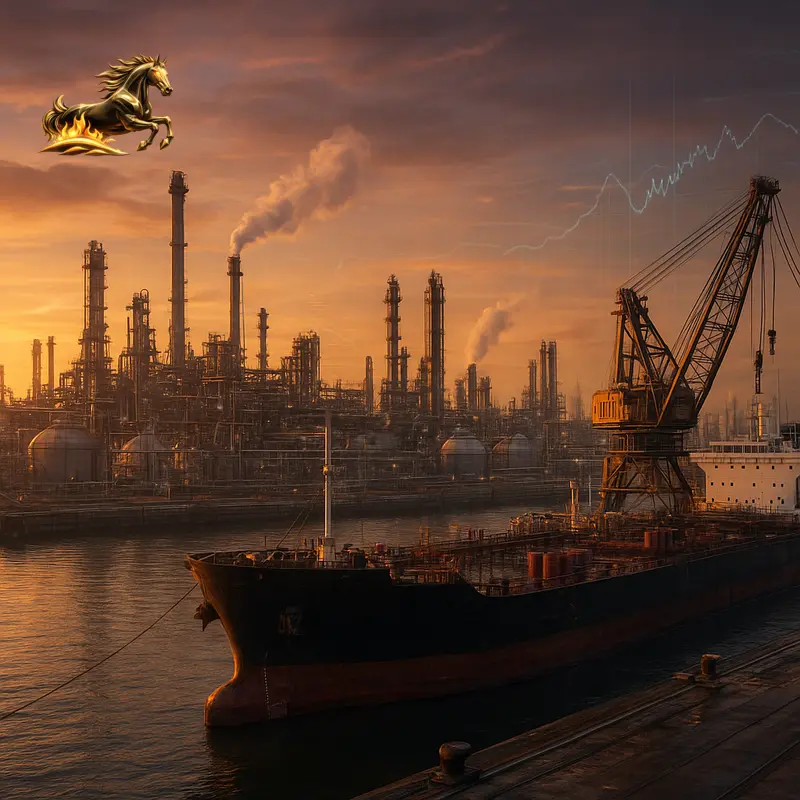
LNG and Oil in 2026: Navigating a Transformed Energy Landscape
As 2026 unfolds, the global energy system is undergoing a profound transformation. Liquefied Natural Gas (LNG) and oil, once the unwavering pillars of energy supply, now stand at the crossroads of shifting geopolitics, urgent climate challenges, and rapid technological advances. Their evolving relationship shapes national security, economic stability, and the trajectory of the energy transition. This analysis unpacks the current dynamics of LNG and oil, delivering vital insights for investors, policymakers, and anyone concerned about the future cost and reliability of energy.
The State of Play: LNG and Oil in 2026
Both LNG and oil remain essential in 2026, yet their paths are diverging. Global oil demand is stabilizing, shifting away from earlier growth predictions, especially in advanced economies and sectors primed for electrification. The International Energy Agency (IEA) highlights a focus on managing a gradual, uneven decline amid persistent market volatility.
Conversely, LNG trade is steadily expanding, with the IEA reporting a 5% growth in 2025. LNG’s role as a flexible, lower-emission fuel cements its position at the heart of energy security and as a practical bridge toward renewables. Yet this growth is nuanced—heavily influenced by geopolitical risks, infrastructure timelines, and the accelerating adoption of clean energy.
Key Market Dynamics Shaping 2026
- Geopolitical Fragmentation: Supply chains are being restructured to emphasize “friend-shoring” and diversification, reducing vulnerabilities tied to regional conflicts.
- Sustainability Pressures: Despite LNG’s lower emissions, methane leakage scrutiny intensifies. Oil companies face growing demands to decarbonize core operations.
- Capital Discipline: Investment in large-scale projects remains cautious, highly sensitive to long-term demand forecasts and regulatory clarity.
LNG in 2026: A Flexible Fuel Facing New Realities
By cooling natural gas to -162°C and shrinking its volume 600-fold, LNG has globalized the gas market, transforming it into a strategic commodity.
Strategic Advantages
- Energy Security and Diversification: LNG allows importers to lessen dependence on pipeline gas, cutting geopolitical risks. For instance, Japanese energy leader JERA is actively securing extra LNG from Australia and beyond to hedge Middle East uncertainties.
- Environmental Performance: LNG emits about half the CO₂ of coal in power generation, advancing emissions reduction while ensuring grid reliability.
- Market Flexibility: The surge in spot trading and shorter contract durations lets buyers adapt swiftly to market fluctuations.
Challenges Facing LNG
- Geopolitical Shifts: Russia’s retreat from European LNG markets reshapes global trade flows, creating new supply tensions. Meanwhile, Middle East instability near the Strait of Hormuz—a vital chokepoint for 19% of global LNG shipments—poses ongoing risks.
- Methane Emissions: Methane leaks threaten LNG’s green advantage. In 2026, stricter regulations and satellite monitoring compel operators to boost investments in detection and mitigation.
- Cost and Timing: LNG infrastructure demands substantial capital and long lead times. Projects like Alaska LNG, targeting final investment decisions by 2026-2027, illustrate the complex balance between future demand and financial, regulatory risks.
Oil in 2026: Resilience Through Reinvention
Oil’s role is evolving—from unchecked expansion to supporting critical sectors while embracing sustainability and efficiency.
Demand Trends
Though global oil demand plateaus due to electric vehicle adoption and efficiency gains, oil remains vital in:
- Aviation and Maritime Shipping: With alternatives still emerging, liquid hydrocarbons remain indispensable.
- Petrochemicals: Oil supplies feed plastics, fertilizers, and chemicals—industries projected to grow.
- Emerging Markets: Developing economies with growing populations and limited EV infrastructure will continue oil reliance.
Innovation and Adaptation
- Digitalization and AI: Advanced data analytics optimize production and lower operating costs.
- Enhanced Oil Recovery (EOR): Techniques like CO₂ injection extend field lifespans with reduced carbon intensity.
- Portfolio Diversification: Oil majors invest in carbon capture, biofuels, hydrogen, and LNG, evolving into integrated energy providers.
Ongoing Challenges
- Price Volatility: Geopolitical upheavals and OPEC+ decisions fuel price fluctuations.
- Regulatory and Investor Pressure: Balancing profitability alongside net-zero commitments remains a key challenge.
LNG and Oil: Competition and Convergence in 2026
While LNG and oil sometimes compete, they increasingly complement each other within global energy strategies.
Competitive Arenas
- Power Generation: LNG offers lower costs and emissions compared to oil where both fuels compete.
- Marine Fuel: Stricter IMO emissions rules accelerate LNG adoption over traditional oil-based marine fuels.
Strategic Integration
LNG serves as a “bridge fuel,” enabling emissions reductions while renewable infrastructure scales. Oil companies leverage LNG investments to stabilize revenues amid uncertain oil demand.
Geopolitical Interactions
Energy flows of both fuels are interconnected. Disruptions in key regions impact LNG and oil alike. The rerouting of Russian LNG exports exemplifies how changes in one market reverberate in the other.
Looking Ahead to 2030: Sustainability, Technology, and Policy
Sustainability Priorities
- LNG: Tackling methane emissions and supporting renewables’ intermittency will remain priorities.
- Oil: Embracing circular economy principles, carbon capture, and cleaner fuels is crucial to secure social license and achieve net-zero targets.
Technological Innovations
- Advances in cryogenics and modular construction promise improved cost efficiency.
- AI-driven supply chain optimization will set industry leaders apart.
Policy Impact
Government actions on carbon pricing, methane regulations, and subsidies will critically influence investment and market trajectories. Clear, consistent policies from major economies are essential to unlock capital.
Strategic Implications for 2026
- Energy security remains paramount, with diversification prioritized beyond just cost.
- The energy transition is pragmatic and uneven, positioning LNG as a vital bridge while oil persists where alternatives lag.
- Technology plays a dual role—prolonging hydrocarbon asset viability and enabling cleaner solutions.
- Robust environmental strategies attract investment; projects lacking sustainability risk financial challenges.
- LNG and oil markets stay intertwined, with supply disruptions in one echoing in the other.
For stakeholders, agility, data-driven efficiency, and scenario planning are essential to navigate ongoing volatility and complexity.
Conclusion: Embracing a New Energy Reality
The year 2026 marks a pivotal moment in an evolving energy landscape. LNG and oil are neither obsolete nor static—they are dynamic commodities adapting to a world shaped by climate responsibility and geopolitical uncertainty. Success hinges on embracing this complexity, harnessing innovation, and cultivating strategic agility. Those who do will help drive stability, profitability, and progress through an era defined by transformation — not transition.
Frequently Asked Questions (FAQ)
Q1: Is LNG truly cleaner than coal and oil?
When combusted for power, LNG releases about 50% less carbon dioxide than coal and 30% less than oil, with fewer pollutants. However, methane leakage during extraction and transport can diminish these benefits, making leak management critical.
Q2: Why is LNG called a “bridge fuel”?
LNG bridges the gap when renewables like solar and wind are intermittent, providing flexible, reliable power that supports grid stability while clean energy infrastructure scales up.
Q3: How do Middle East tensions affect LNG prices?
The Middle East, especially the Strait of Hormuz, is key to LNG shipments. Conflicts add a risk premium to prices due to potential supply disruptions, encouraging importers to diversify supply sources.
Q4: Are oil companies abandoning oil for LNG?
No—rather, they are diversifying portfolios. Major firms invest in LNG to offset declining oil demand prospects while pursuing carbon reduction and optimizing existing assets.
Q5: What could most change LNG and oil’s outlook by 2030?
Policy decisions are critical. Coordinated climate action could accelerate fossil fuel phase-out, while fragmented or delayed policies might prolong LNG and oil roles, especially LNG’s bridging function.
Understanding LNG and oil’s evolving trajectories in today’s complex energy landscape is crucial for navigating upcoming challenges and opportunities. The future rewards those embracing innovation, adaptability, and sustainability in their strategic outlook.
