
International Petrol Price Today: Your 2026 Guide to Global Trends, Risks, and What It Means for Your Wallet
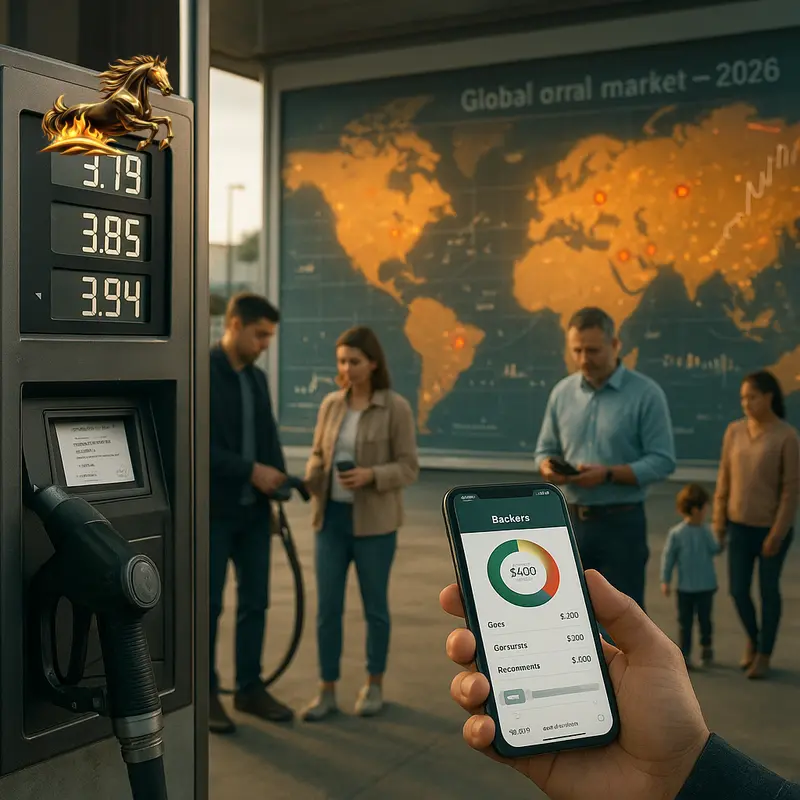
You pull up to the pump, see the price, and ask yourself—why is petrol so expensive again? In 2026, petrol prices are no longer just a local issue; they’re a reflection of global geopolitics, market forces, and supply chain challenges. Understanding the international petrol price today is crucial—not just for policymakers and investors but also for everyday consumers tightening their budgets.
This year, petrol prices have swung dramatically: crude oil surged to levels similar to 2022 before falling sharply amid shifting geopolitical and economic signals. Conflicts around the globe have pushed the global energy import bill up by hundreds of billions of dollars. Yet beneath these wild swings lies a deeper story of long-term trends and evolving realities shaping petrol prices. This guide breaks down the key drivers behind the 2026 petrol landscape and what they mean for you.
What Shapes the International Petrol Price Today in 2026?
Petrol prices aren’t just a number; they’re the final piece in a complex puzzle involving crude oil costs, refining capacity, government policies, and regional logistics. The global average petrol price today hovers around $2 per liter, but this hides big differences worldwide—some countries heavily subsidize fuel, while others use taxes not only to generate revenue but to encourage greener choices.
At the core lies crude oil, benchmarked primarily by Brent Crude for the global market and West Texas Intermediate (WTI) for the U.S. These indexes reflect market sentiment and geopolitical tension. For example, after U.S. military moves near the Strait of Hormuz—a vital oil transit point—Brent prices jumped to about $90.70 per barrel, and WTI hit $85.76. This shows how sensitive prices are to global events. Yet prices recently dropped over 3% despite sanctions on Iran, signaling markets’ views that these sanctions are less threatening than full-scale conflict.
At the pump, prices tell their own story: in the UK, petrol runs at about 157p per liter, diesel at 188.5p. The U.S. saw average gasoline prices cross $4 per gallon recently. These figures highlight how global factors trickle down, shaped further by taxes, subsidies, and supply chain costs.
The Top Forces Driving Petrol Prices in 2026
Petrol pricing in 2026 is a tug-of-war among several major influences. Knowing these helps anticipate price changes.
Geopolitical Risks & Supply Chain Vulnerabilities
Geopolitical instability remains the biggest culprit behind price swings this year:
- Middle East Tensions: The conflict involving Iran has already inflated the global oil and fuel import bill by about $330 billion between March and August 2026. The Strait of Hormuz, a corridor for roughly 20% of global oil, remains a flashpoint—any disruption here sparks immediate price hikes.
- Other Hotspots: Instability in Libya, Venezuela, and parts of West Africa intermittently disrupts oil supplies, creating ongoing uncertainty in markets.
Economic Demand Meets Energy Transition
The demand for petrol is caught between growing economies and the accelerating shift to cleaner energy:
- Strong Demand in Emerging Markets: While EV adoption grows in some countries, regions like Asia still show robust petrol and diesel demand driven by industrial growth and rising vehicle ownership.
- Energy Transition Impact: Policies promoting electric vehicles and fuel efficiency aim to reduce fossil fuel use over time. However, underinvestment in new refineries means finished fuel supplies are tight in some regions, causing occasional price spikes even when crude is plentiful.
Government Influence: Taxes, Subsidies, and Strategic Reserves
Governments deeply shape petrol prices at the pump:
- Taxes: European countries often add heavy excise and carbon taxes, pushing prices above €2.20 per liter. Norway tops the list with high fuel taxes to back its green energy goals.
- Subsidies & Fiscal Balancing: Countries like Venezuela heavily subsidize petrol, while India juggles subsidy costs with fiscal constraints, creating complex pricing dynamics.
- Strategic Reserves: Countries like the U.S. hold Strategic Petroleum Reserves (SPR) to stabilize markets during shocks. Releases from these reserves offer psychological and supply relief but are governed by political and economic factors.
Regional Petrol Price Snapshots in 2026
Global factors mix with local realities shaping prices worldwide.
North America
- U.S.: As both a top producer and consumer, U.S. petrol prices recently topped $4 per gallon. Shale production softens global shocks, but refinery bottlenecks and high consumption maintain price pressure. State taxes and fuel blends add regional variation.
- Canada: Rich in reserves, Canada experiences price differences between provinces caused by logistics challenges—from Alberta’s landlocked fields to coastal refineries.
Europe
- Western Europe: Germany, France, and the UK face some of the world’s highest petrol prices due to heavy taxation aimed at emission reductions and public funding.
- Eastern Europe: Prices remain lower but are rising as countries harmonize regulations and diversify supplies away from Russia.
Asia-Pacific
- Developed Economies: Japan, Australia, and South Korea’s prices closely track global crude trends due to heavy import reliance.
- Emerging Giants: China keeps prices regulated to shield consumers, while India’s subsidy system balances affordability and fiscal limits, resulting in occasional price shocks.
- Southeast Asia: Markets differ, from fuel subsidies in Indonesia and Malaysia to more market-driven pricing in Thailand.
Other Regions
- Middle East & OPEC: Oil exporters subsidize domestic fuel to keep prices low, redistributing resource wealth.
- Africa & South America: Price volatility reflects political and infrastructure issues with subsidized prices sometimes causing shortages and black-market activity.
What Exactly Makes Up the Cost of Petrol?
Your pump price covers multiple elements:
- Crude Oil (50-60%) — The largest chunk, influenced directly by global oil prices.
- Refining Costs & Margins (10-20%) — Processing crude into fuel varies by refinery operations and product demand.
- Distribution & Marketing (5-15%) — Transport, storage, and retailer margins.
- Taxes (15-50%+) — The most variable piece, ranging from heavy taxation in Europe to subsidies elsewhere.
The surge adding $330 billion to energy import bills in 2026 underlines how volatile the crude oil portion is, especially during geopolitical upheavals.
The Economic and Social Impact of Petrol Price Changes
- Inflation: Rising fuel costs push up prices in transport, manufacturing, and food, keeping central banks on alert.
- Consumer Behavior: High prices curb discretionary travel, encourage public transit, and accelerate EV adoption.
- Social Impact: Lower-income households feel price hikes the most, raising inequality and calls for government relief.
- Business Costs: Transport-heavy industries face squeezed margins, potentially slowing investment and increasing prices.
2026 Case Studies: How Countries Manage Petrol Prices
United States
Balancing strategic reserves, domestic shale output, and reliance on imported oil, the U.S. juggles production and consumption. Debates continue over tapping reserves versus expanding output to manage volatility.
Norway
High taxes align with environmental goals. Despite being a major exporter, Norwegians accept high petrol prices as part of a green energy strategy supporting welfare and EV adoption.
India
India’s subsidy policies protect consumers but strain public finances, resulting in occasional sudden price hikes as the government balances fiscal health and affordability.
Looking Forward: What Lies Beyond 2026?
- Geopolitical risks and chokepoints will keep prices volatile.
- The energy transition will gradually soften petrol demand, albeit unevenly.
- Refining capacity underinvestment could maintain tight fuel supplies and higher margins.
- Advances in technology—better oil recovery, batteries, and synthetic fuels—may reshape demand-supply balance.
Key Takeaways & Practical Tips for 2026
What 2026 Shows Us:
- Geopolitics drives short-term petrol price changes.
- Local taxes and subsidies heavily shape what you pay.
- The green energy shift impacts demand gradually, not overnight.
- Price swings have wide-reaching economic and social effects.
What You Can Do:
- Follow reliable sources like the EIA and IEA for updates.
- Know your local fuel tax and subsidy policies.
- Budget for fuel price volatility, especially if transport is key.
- Consider alternatives: fuel-efficient cars, EVs, or public transit options.
Understanding how global forces affect petrol prices helps you make smarter choices—whether you’re a consumer, business owner, or policymaker—navigating the challenging 2026 energy landscape.
Frequently Asked Questions (FAQ)
1. Why did petrol prices jump recently?
Price spikes often follow geopolitical events or supply threats. Recent military activity near the Strait of Hormuz raised fears over oil shipments, pushing prices higher even without actual supply drops.
2. Which country has the cheapest petrol today?
Heavy-subsidy oil exporters like Venezuela, Iran, and Saudi Arabia offer the lowest prices, though these often coexist with supply and economic challenges.
3. Will petrol prices fall in 2026?
While easing geopolitical tensions could lower prices, refinery constraints and steady demand suggest prices will remain elevated and volatile.
4. How do U.S. fuel prices compare to Europe?
U.S. prices hover above $4 per gallon, significantly lower than many European countries where taxes often push prices above $7 per gallon equivalent.
5. Do electric vehicles affect petrol prices?
EV adoption slowly reduces petrol demand, helping to ease upward pressures long-term. Yet, short-term swings remain driven mostly by geopolitics and production decisions.
Grasping today’s petrol price means tuning into a globally connected energy market that shapes economies and daily life alike. Stay informed, stay prepared, and navigate the 2026 fuel landscape with confidence.
