
Current Trends in World Oil Prices: Insights
Introduction
As we move through 2026, world oil prices have captured global attention once again. Oil’s significance stretches far beyond the energy sector, impacting everything from inflation rates to international diplomacy. Recently, a sharp rise in oil prices has sparked concern among analysts and consumers alike, driven largely by mounting geopolitical tensions, especially in the Middle East. This article dives into the key reasons behind these price shifts, offers historical perspective, analyzes current market conditions, and explores what these changes mean for consumers and economies worldwide.
The Surge in Oil Prices
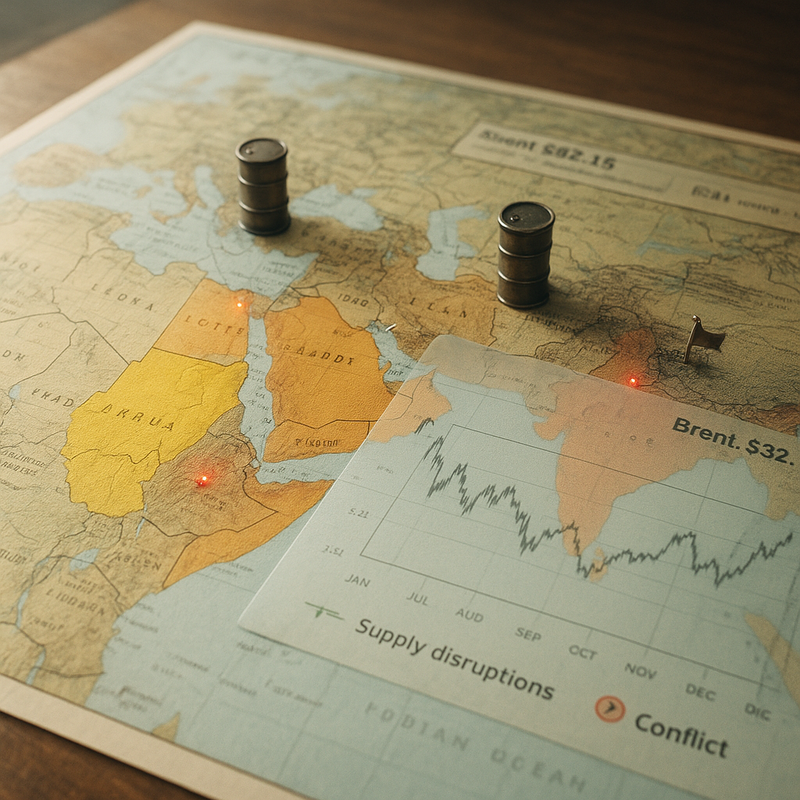
In March 2026, crude oil prices jumped dramatically from about $70 to nearly $120 per barrel. This steep increase stems primarily from escalating military conflict involving Iran, a major player in global oil supply. The Strait of Hormuz—a critical passageway for roughly 20% of the world’s oil—has become a flashpoint, fueling fears of supply interruptions.
Why Are Oil Prices Rising?
- Geopolitical Tensions
Conflict with Iran has intensified concerns over the safety of oil shipments, causing traders and nations to brace for potential shortages. - Market Speculation
Investment markets often respond rapidly to geopolitical developments, pushing prices up ahead of actual supply issues. - OPEC Production Decisions
OPEC and allied producers, including Russia, continue managing output with strategic cuts to maintain price stability amid uncertain demand.
Key Insight: These combined forces create a volatile oil price environment, where perceived supply risks can prompt swift market moves.
Historical Context
To fully grasp today’s price changes, it helps to look back at previous geopolitical events that shook the oil market.
The 1973 Oil Crisis: A Lesson in Impact
When Middle Eastern producers imposed an embargo in 1973, oil prices quadrupled overnight. This upheaval sent shockwaves through global economies, especially in Western countries, triggering stagflation—a painful mix of inflation and economic slowdown. The event underscores how geopolitical shocks to oil supply can lead to long-lasting economic challenges.
Key Insight: The 1973 crisis highlights just how crucial stable oil markets are for economic health worldwide.
Current Market Analysis
By April 2026, Brent crude prices have eased slightly but still hover near $115 per barrel. Market experts offer mixed views: J.P. Morgan forecasts oil averaging around $60 per barrel later in the year, anticipating easing geopolitical tensions and shifting demand.
What’s Driving the Market Now?
- Production Levels: OPEC’s production strategies remain central to balancing supply and moderating prices.
- Energy Transition: Uptake of renewables and electric vehicles is expected to reduce oil dependence over the long run.
- Post-Pandemic Recovery: Divergent economic recovery rates globally continue to affect oil demand unevenly.
Key Insight: Oil’s future price depends on geopolitical developments, energy policy shifts, and global economic growth patterns.
Impact on Consumers
Rising oil prices instantly translate to higher costs for consumers worldwide—from transportation to everyday goods. Gasoline prices now average about $1.48 per liter globally, influencing everything from daily commutes to product pricing.
Sector-Specific Effects
- Transportation
Airlines, shipping, and public transit face higher fuel expenses, often passing these along through increased fares. - Manufacturing
Industries dependent on oil experience rising production costs, which frequently trickle down to consumers. - Agriculture
Rising fuel and fertilizer prices elevate farming expenses, potentially leading to costlier food.
Key Insight: Consumers should be aware of how oil price hikes ripple through various sectors, affecting the cost of living.
Global Comparisons
The impact of oil price fluctuations varies worldwide. Wealthier nations generally have greater resilience due to energy diversification and stronger economies. Conversely, developing countries often bear a heavier burden, relying more on oil imports with fewer financial buffers.
- North America: Strong moves toward electric vehicles and renewables are reducing oil dependency.
- Europe: Aggressive renewable energy policies align with climate goals.
- Asia: Rapid growth in countries like China and India is sustaining higher energy demand, supporting oil prices in the short term.
Key Insight: Regional energy strategies and economic conditions shape how oil price changes affect different global markets.
Future Price Predictions
Looking forward, oil prices are expected to remain volatile in the short term, heavily influenced by geopolitical events. Over the long haul, however, a decline in oil demand is likely as the global economy transitions toward more sustainable energy sources.
- Short-Term: Expect continued price swings driven by evolving geopolitical risks and market sentiment.
- Long-Term: Energy diversification and renewables adoption suggest a downward trend in oil prices.
Key Insight: Stakeholders must prepare for near-term unpredictability within a broader shift toward cleaner energy.
Conclusion
The trends in world oil prices throughout 2026 reflect a complex interplay of geopolitics, market dynamics, and evolving economic realities. As conflicts unfold and the energy transition accelerates, the oil market will remain a vital indicator of global economic health and stability. Staying informed and adaptable is essential for consumers, businesses, and policymakers in navigating this ever-changing landscape.
Suggested Next Steps
- Stay Updated: Follow reliable sources like the
Global Energy Information Administration and leading financial institutions for timely oil price updates. - Explore Energy Alternatives: Consider investing in renewable energy and diversifying energy consumption to reduce vulnerability.
- Adjust Financial Plans: Businesses should review budgets and cost strategies to manage fluctuating oil-related expenses effectively.
Understanding these factors helps all stakeholders better anticipate risks and seize opportunities in the vital world of oil pricing.
