
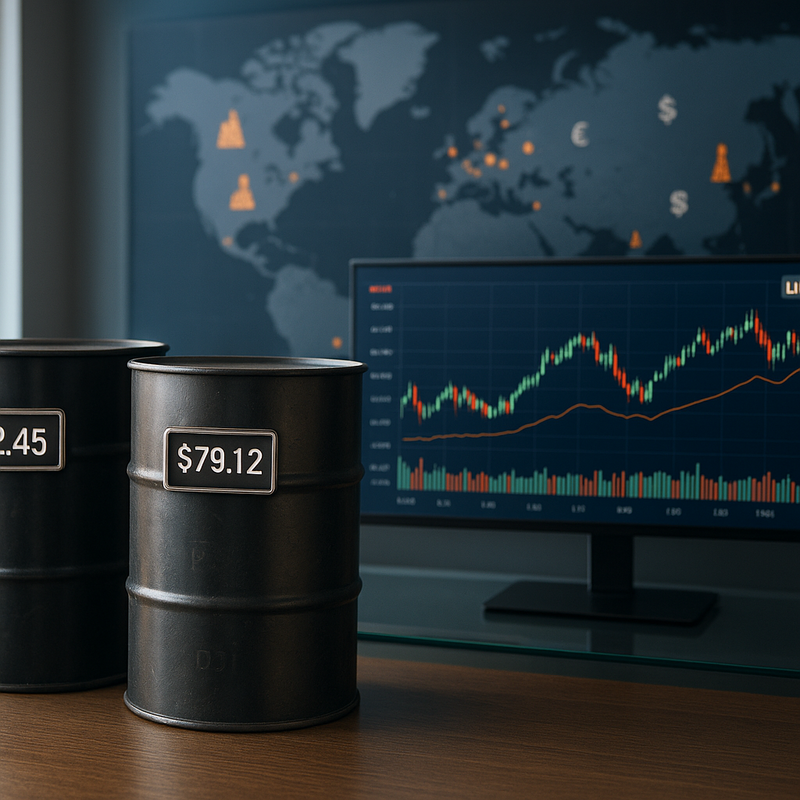
Crude Oil Live Rate in Dollars: Current Insights and Future Predictions
Introduction
In our globally connected economy, keeping an eye on the crude oil live rate in dollars is more important than ever. Whether you’re an investor, trader, policy-maker, or just a curious observer, understanding real-time crude oil prices helps you grasp the ripple effects across transportation, manufacturing, and beyond. Crude oil markets are famously dynamic, influenced by everything from geopolitical tensions to technological breakthroughs. This article dives into the latest live crude oil rates for 2026, breaks down the key drivers behind price changes, and offers smart predictions to guide your understanding of what’s next.
What is Crude Oil?
Crude oil is a naturally occurring, unrefined petroleum made up mostly of hydrocarbons. Extracted from beneath the Earth’s surface, it’s the foundation for vital energy products like gasoline, diesel, and petrochemicals. Since crude oil is a major global commodity traded primarily in US dollars, price swings have far-reaching consequences across international markets and industries.
Current Live Rates of Crude Oil in Dollars
As of April 2026, crude oil prices show considerable volatility shaped by recent geopolitical shifts and economic trends. West Texas Intermediate (WTI), the key US benchmark, is trading around $96.50 per barrel—a near 15% drop in recent months, thanks largely to stabilized supply and easing regional tensions. Meanwhile, Brent Crude, the global benchmark, stands near $114.01 per barrel, reflecting a softer decline of about 9% in the same timeframe.
| Type | Price (USD/Barrel) | Change (%) |
|---|---|---|
| West Texas Intermediate (WTI) | $96.50 | -14.93% |
| Brent Crude | $114.01 | -9.00% |
(Sources: Trading Economics, Investing.com)
These numbers capture the ever-shifting balance of supply and demand and how the market reacts to worldwide developments.
Factors Influencing Crude Oil Prices
To grasp why crude oil prices fluctuate, it’s crucial to understand the key forces at play:
1. Supply and Demand Dynamics
Price changes often boil down to the classic supply and demand equation.
- Growing Global Demand: Rapid economic growth in regions like Asia and Latin America boosts energy use, pushing prices upward.
- Supply Constraints: Disruptions from natural disasters, geopolitical conflicts, or OPEC production decisions limit supply, lifting prices accordingly.
2. Geopolitical Events
Instability in major oil-producing regions significantly impacts supply confidence.
- Ongoing Tensions: Conflicts in Ukraine and the Middle East create uncertainty over oil transport routes, increasing risk premiums and affecting prices.
3. Technological Advancements
New extraction technologies like hydraulic fracturing and horizontal drilling have revolutionized oil production.
- The Fracking Effect: Especially in the US, these innovations ramp up output and help moderate prices by expanding supply.
4. Currency Fluctuations
Because oil trades primarily in US dollars, changes in the dollar’s value influence crude oil pricing globally.
- Current Currency Trends: A weaker US dollar generally makes oil cheaper for holders of other currencies, spurring demand and pushing prices higher, while a stronger dollar does the reverse.
5. Economic Indicators
Broad economic signals such as GDP growth, employment, and industrial output shape energy demand expectations.
- Ongoing Recovery: Steady global economic growth post-pandemic supports continued energy consumption and underpins oil prices.
Together, these factors weave a complex web that causes daily shifts in crude oil prices.
Case Studies in Oil Price Fluctuations
Looking back helps make sense of current trends:
- 2020 COVID-19 Pandemic: Lockdowns caused a historic plunge in oil demand, forcing WTI prices briefly into negative territory due to storage issues, highlighting extreme volatility.
- OPEC+ Cuts in 2023: Coordinated production reductions prevented price collapse post-pandemic, demonstrating how collective action can stabilize markets.
- Ukraine Conflict (2022–Present): Sanctions and disrupted Russian exports heightened supply uncertainty, contributing to sustained higher prices worldwide.
These examples emphasize the oil market’s sensitivity to geopolitical and economic triggers.
Predicting Future Crude Oil Rates
Short-Term Outlook (2026)
Experts expect crude oil prices to hover between $90 and $110 per barrel this year, influenced by:
- Continued global economic recovery fueling demand.
- OPEC+ supply strategies and geopolitical developments.
- Limited immediate impact from renewable energy advances.
Long-Term Outlook (2027–2030)
Over the next few years, the energy transition will increasingly shape oil demand:
- Rising Renewables: Faster adoption of electric vehicles and green energy technologies may gradually reduce fossil fuel dependency.
- Price Trends: We could see a plateau or gentle decline in prices as environmental policies tighten and energy mixes shift.
- Market Durability: Nonetheless, oil will stay vital—especially in developing economies where alternatives take longer to scale.
Anticipating these trends can help investors and policymakers strategize effectively in a changing energy landscape.
Conclusion
Tracking the crude oil live rate in dollars is key to understanding a complex, global market that touches every corner of our economy. By April 2026, prices for benchmarks like WTI and Brent reflect ongoing adjustments driven by supply-demand shifts, geopolitics, and economic indicators. The near-term outlook suggests price stability, while long-term forecasts highlight the growing role of renewable energy. Staying informed supports smarter decisions amid an evolving energy world.
Key Takeaways
- In April 2026, WTI trades near $96.50 per barrel; Brent stands at approximately $114.01.
- Price movements are mainly guided by supply-demand interplay, geopolitical tensions, and technology.
- Short-term stability is expected, alongside long-term shifts linked to energy transitions.
Recommended Actions
- Regularly check trusted sources like OilPrice.com, Investing.com, and MarketWatch for live crude oil price updates.
- Monitor geopolitical news and economic reports that affect oil markets.
- Factor renewable energy trends into your investment and business planning to manage risks tied to oil price volatility.
This comprehensive analysis equips you with current crude oil insights and a clear vision for navigating future market changes.
