
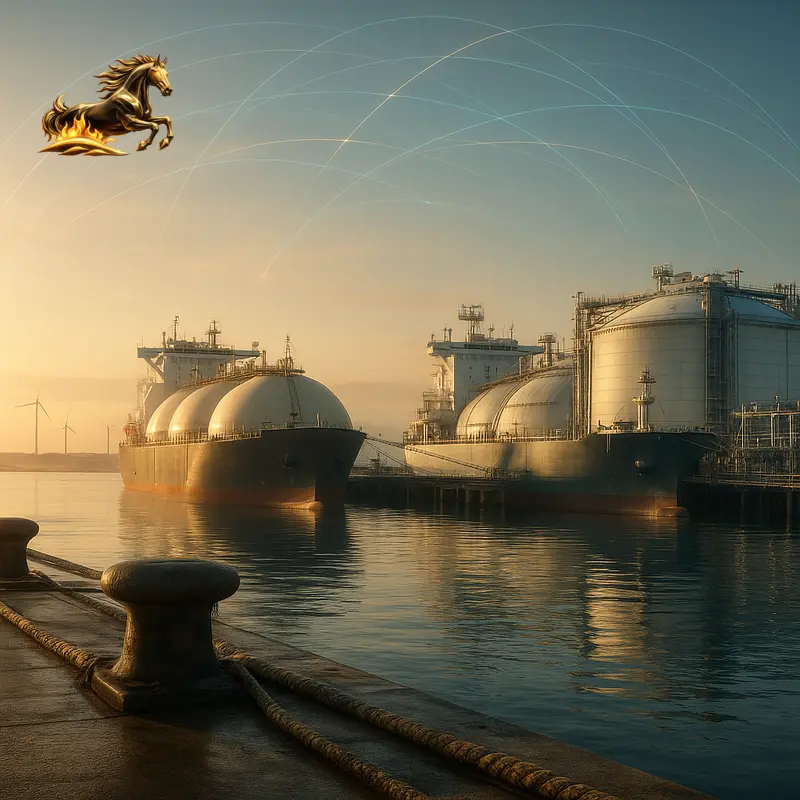
The Evolving Power of LNG: A Strategic Guide
The Evolving Power of LNG: A Strategic Guide to the Liquefied Natural Gas Market in 2026
In today’s fast-changing global energy scene, Liquefied Natural Gas (LNG) stands out as a resilient and strategically vital energy source. Heading into 2026, LNG is far from just a transitional fuel—it’s become a cornerstone of the global energy system. From complementing renewables and supporting industrial growth in emerging markets to enhancing energy security worldwide, LNG’s role is more critical than ever. This guide dives into the key trends shaping the LNG market in 2026—highlighting technological breakthroughs, geopolitical shifts, and market innovations—that position LNG as a powerhouse in the transition to a lower-carbon future.
LNG Demystified: Beyond Just Chilled Gas
Liquefied Natural Gas is natural gas cooled to about -260°F (-162°C), which shrinks its volume by roughly 600 times. This dramatic size reduction enables cost-effective cross-ocean transport, especially where pipelines can’t reach. Once LNG arrives at receiving terminals worldwide, it’s regasified and fed into local gas networks.
The Environmental and Economic Edge of LNG
LNG’s popularity is driven by its strong environmental and economic benefits:
- Lower Carbon Footprint: Power generation using LNG emits 50-60% less CO₂ than coal, dramatically cutting greenhouse gases.
- Cleaner Air Quality: Burning LNG releases far less sulfur dioxide (SO₂), nitrogen oxides (NOₓ), and particulate matter.
- Energy Security: LNG diversifies supply sources, reducing reliance on single pipeline routes and boosting resilience.
According to the U.S. Energy Information Administration (EIA), global natural gas consumption is projected to grow through 2050, with LNG’s flexibility and global reach playing a pivotal role as a cleaner alternative fuel for heating, industry, and renewable backup.
The 2026 LNG Market Landscape: Breaking News & Key Moves
The LNG sector is buzzing with growth and investment momentum, highlighted by significant developments:
- U.S. Gulf Coast Expansion: The U.S. solidifies its LNG export leadership. Projects like LNG Brownsville in Texas advance steadily, and XRG’s stake in Rio Grande LNG’s Trains 4 and 5 signals strong confidence in ongoing demand.
- Long-Term Offtake Agreements: Strategic 15-year contracts, such as the ADNOC-INPEX deal for Ruwais LNG, provide stable financing and growth assurance.
- New Export Entrants: Mexico’s Pacific Coast project recently shipped its first commercial LNG cargo, diversifying global exports.
- Stable Pricing Fundamentals: Strong market balances and maintenance rundowns in key producer countries keep prices firm, supported by Europe’s need for secure storage ahead of winter.
These dynamics underline a robust LNG market primed to meet global energy growth demands with strategic intent.
Why LNG Demand Will Soar
Asia: The Powerhouse of Growth and Cleaner Energy Demand
Asia leads as the largest, fastest-growing LNG market, driven by economic boom and environmental concerns:
- China & India: Rapidly shifting from coal to LNG to tackle urban air pollution and meet rising energy needs.
- Southeast Asia: Emerging economies like Vietnam and Thailand increasingly rely on LNG amid dwindling domestic supplies.
- Japan & South Korea: Longstanding importers count on LNG to back up renewables and enhance energy security.
Europe’s Energy Security Overhaul
Post-2020 geopolitical shifts have pushed Europe to prioritize LNG as a key gas supply alternative:
- Supply Diversification: Expanded regasification infrastructure, including Floating Storage and Regasification Units (FSRUs), opens multiple LNG import avenues.
- Renewable Support: LNG-fired plants provide the flexible backup needed to stabilize grids powered by intermittent renewables.
LNG As a Marine Fuel: Cleaner Shipping Ahead
Thanks to the International Maritime Organization’s strict sulfur regulations, LNG is growing rapidly as a marine fuel. It’s currently the leading solution to cut shipping emissions, bridging the gap until zero-carbon fuels like green hydrogen mature.
Tech Innovations Driving LNG’s Future
The LNG industry is embracing advanced technologies to stay competitive and reduce environmental impact:
Cutting Carbon with Smart Technologies
- Methane Emissions Detection: Satellites, drones, and optical sensors quickly locate and fix methane leaks.
- Carbon Capture, Utilization, and Storage (CCUS): Projects like Ruwais LNG integrate CCUS to lower lifecycle carbon emissions.
- Electrification of Liquefaction: Using renewable-powered electric drives instead of gas turbines cuts emissions dramatically.
Digital Transformation for Efficiency
- Digital Twins: Virtual plant replicas enable real-time monitoring and predictive maintenance, enhancing safety and efficiency.
- AI-Optimized Logistics: Smart platforms streamline shipping routes and operations, lowering costs and emissions.
LNG’s Link to the Hydrogen Economy
Blue hydrogen, made from natural gas paired with carbon capture, is a strategic growth area. LNG players leverage existing infrastructure and expertise to scale blue hydrogen production as part of broader decarbonization efforts.
Navigating Challenges: What Lies Ahead
Despite a promising future, LNG faces critical hurdles:
Tackling Methane Emissions and Regulatory Demands
Methane’s potent greenhouse effect means strict reductions are mandatory. U.S. and European regulations and initiatives like the Oil and Gas Methane Partnership (OGMP 2.0) push for transparency and cuts, essential to LNG’s clean fuel status.
ESG-Focused Financing
New LNG projects must meet tough Environmental, Social, and Governance (ESG) standards to secure investment. Demonstrating clear carbon reductions and societal benefits is vital.
Geopolitical and Policy Sensitivities
LNG exporters must navigate complex export laws, climate policies, and geopolitical fluctuations with agile, proactive strategies.
Looking Ahead: LNG Market Trends in 2026
Key trends shaping LNG’s trajectory include:
- U.S. Export Leadership: Continued expansion with a focus on carbon intensity reduction.
- Qatar’s North Field Boost: Significant supply growth reinforcing Qatar’s market strength.
- Contract Flexibility: Buyers increasingly favor adaptable terms to manage price and demand volatility.
- Rise of “Green LNG”: Carbon-neutral cargoes through offsets or carbon capture attract sustainability-minded buyers at premiums.
- Tech-Driven Advantage: Widespread use of digital tools, electrification, and methane mitigation will cut costs and emissions.
Conclusion: LNG’s Vital Role in a Cleaner Energy Future
As 2026 approaches, LNG’s role is clear—it’s more than a bridge fuel. LNG is a versatile, strategic energy source that boosts energy security, balances renewables, and links directly to emerging low-carbon fuels like blue hydrogen.
Strong investments, strategic partnerships, and innovation reflect broad market confidence. By responsibly managing emissions and embracing technology, the LNG industry will secure its place at the heart of a sustainable, resilient global energy future.
2026 Takeaways
- Asia’s growth and Europe’s diversification underpin LNG demand.
- Innovation is key to lowering LNG’s carbon footprint and sustaining social license.
- Long-term contracts fuel large-scale project development.
- New exporters like Mexico add flexibility and market diversity.
- Methane reduction, evolving ESG standards, and hydrogen integration are essential to success.
Guidance for Stakeholders
- Business Leaders: Assess LNG’s impact on energy security and explore carbon-neutral LNG and digital solutions.
- Investors: Focus on firms leading methane management, innovation, and net-zero commitments.
- Policymakers: Balance LNG infrastructure support with strict environmental rules; encourage sustainability and clean tech adoption.
FAQ: Your Top LNG Questions Answered
- Q1: Is LNG infrastructure investment still worthwhile amid rising renewables?
- Absolutely. LNG complements renewables by providing grid stability and backup power. New infrastructure is designed for efficiency and future hydrogen blending.
- Q2: What is “carbon-neutral LNG,” and how credible is it?
- Carbon-neutral LNG offsets its emissions with verified credits, funding climate projects elsewhere. While it doesn’t cut direct emissions, it supports corporate carbon goals when using credible offsets.
- Q3: Why do LNG prices stay firm despite growing supply?
- Strong demand from Asia, Europe’s storage needs, and supply maintenance keep market balances tight and prices stable.
- Q4: How does LNG boost energy security?
- LNG diversifies supply routes and sources via shipping, lowering dependency on single pipeline or regional supplies and mitigating disruption risks.
- Q5: What’s LNG’s biggest environmental hurdle, and how is it tackled?
- Methane emissions are the main concern. Advanced detection, regulations, electrification, and carbon capture programs are helping reduce these emissions.
By navigating these dynamic factors wisely, LNG is set to remain a foundational element of global energy strategies well into 2026 and beyond, offering a sustainable, secure pathway to the low-carbon energy future.
