
The Current Landscape of Oil Futures in 2026: Trends, Insights, and Predictions
Introduction
As we move through 2026, the oil futures market remains a crucial hub for investors, energy professionals, and policymakers alike. This volatile sector continues to be shaped by geopolitical tensions, economic policies, and the accelerating global push toward sustainable energy solutions. Whether you’re investing, producing, or strategizing, an up-to-the-minute grasp of oil futures is essential.
In this article, we dive deep into the oil futures market of 2026—shedding light on the latest trends, analyzing price movements, and offering informed predictions. Understanding these factors will empower you to navigate the complexities of this evolving market with confidence.
Understanding Oil Futures
What Are Oil Futures?
Oil futures are standardized contracts guaranteeing the purchase or sale of a set quantity of crude oil at a predetermined price on a future date. Traded on major platforms such as NYMEX and ICE, these contracts enable producers and consumers to hedge against volatility while offering speculators opportunities to capitalize on expected price shifts.
How Are Oil Futures Priced?
Oil futures pricing reflects a sophisticated interplay of factors. Fundamental supply and demand, influenced by OPEC policies and non-OPEC producers like U.S. shale, remain at the core. Geopolitical stability—or instability—exerts a powerful influence, as do sudden global shocks like conflicts or health crises. Additionally, evolving consumer behavior and technological advancements in energy use shape future expectations baked into futures pricing.
Ultimately, oil futures prices mirror both current market realities and collective forecasts about what lies ahead.
Current Price Trends (March 2026)
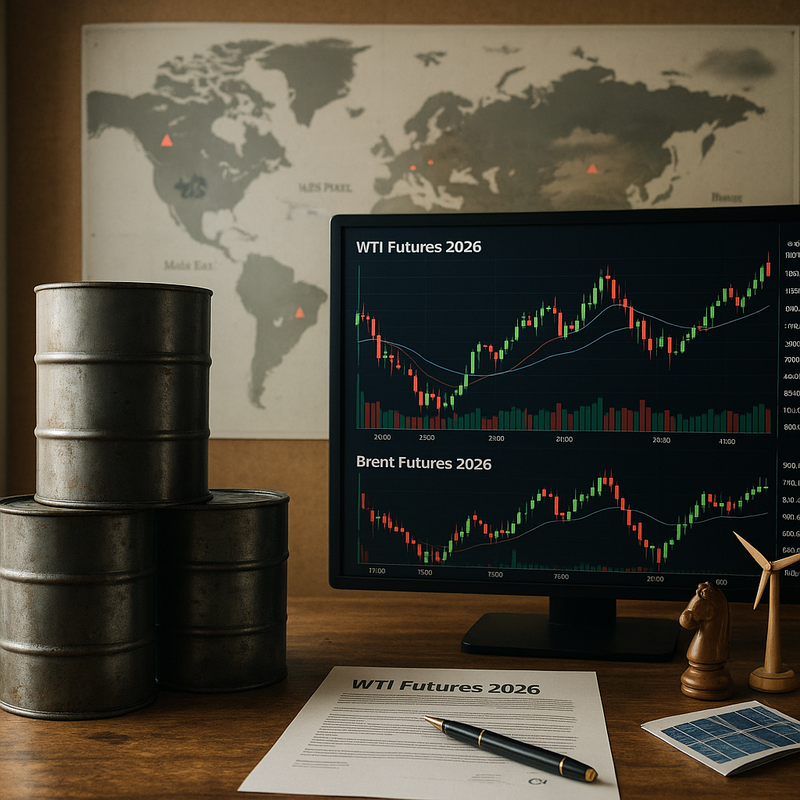
According to data from Investing.com, West Texas Intermediate (WTI) crude oil futures are trading near $97.51 per barrel, oscillating within a relatively narrow daily range. This price embodies the delicate balance of geopolitical pressures and market reactions that have characterized much of this year.
Market Sentiment and Recent Movements
Market sentiment remains cautious yet responsive:
- On March 16, 2026, U.S. crude futures dropped 5.3% to close at $93.50 per barrel following news of restored oil flow through the strategically vital Strait of Hormuz, historically prone to turbulence.
- Analysts continue factoring in a risk premium amid ongoing supply uncertainties and shifting political dynamics. The U.S. Energy Information Administration (EIA) projects that prices are unlikely to retreat to pre-pandemic lows anytime soon due to persistent risk factors.
Historical Context
Looking back highlights how volatile oil futures can be. In April 2020, WTI crude prices famously plunged below zero amid unprecedented demand destruction from the COVID-19 pandemic—an extreme case showing how market imbalances can lead to dramatic price swings.
The Importance of the Risk Premium
Today’s oil prices incorporate a “risk premium” that compensates investors for potential disruptions—ranging from geopolitical conflicts to shifting policies in oil-producing regions—which continues to be a pivotal element shaping the market.
Key Influencers in the 2026 Oil Market
Understanding oil futures requires insight into three dominant drivers:
1. Geopolitical Dynamics
Tensions in the Middle East remain a market focal point. Recent diplomatic developments in Iran concerning oil exports have shifted supply outlooks, directly impacting futures prices.
Saudi Arabia’s Role in OPEC+
Saudi Arabia retains significant sway over OPEC+ production choices. Announcements about output adjustments from this coalition often send ripples across global futures markets, underscoring Saudi Arabia’s crucial role in balancing supply and demand.
2. Global Economic Recovery Post-Pandemic
The worldwide economic rebound post-COVID-19 has revitalized industries and transportation sectors, fueling oil consumption.
Demand Forecast
The International Energy Agency (IEA) expects global oil demand to reach around 105 million barrels per day by the end of 2026—meaningful growth from roughly 94 million barrels per day in 2020. This resilience persists despite rising alternative energy adoption.
3. The Shift Toward Sustainable Energy
Though fossil fuels currently dominate, the rapid move toward renewables is reshaping long-term demand expectations. Commitments by many nations to cut carbon emissions indicate a gradual but inevitable transition that will influence oil consumption patterns.
Approaches to Oil Futures Trading
Managing Risks in Oil Futures
Trading oil futures requires expertise. Successful traders rely on:
- Fundamental Analysis: Evaluating supply-demand balances, geopolitical risks, and economic indicators.
- Technical Analysis: Using price charts, volume trends, and patterns to anticipate moves.
For producers, futures contracts are vital tools to hedge against sudden price dips, ensuring financial stability in unpredictable markets.
The Impact of Speculators
Speculators add necessary liquidity and depth but also amplify short-term price swings. Their market-driven actions based on sentiment and geopolitical news play a key role in shaping oil futures volatility.
Predictions: What Lies Ahead?
Short-Term Outlook
Volatility will likely continue dominating the near future. OPEC+ decisions and potential geopolitical flare-ups could trigger sharp price jumps or drops.
Long-Term Forecast to 2030
- Persistent Price Volatility: The oil market will remain sensitive to geopolitical and economic shifts, with potential price surges approaching or exceeding $100 per barrel.
- Rising Renewable Energy Share: Growing investment in renewables will gradually rebalance the energy mix, promoting longer-term market stability.
- Regulatory Influences: Increasing environmental regulations will influence production and demand patterns, embedding sustainability as a core driver.
Conclusion
The oil futures market in 2026 reflects a dynamic tug-of-war between geopolitical risks, recovering global economies, and the shift toward sustainable energy. Trading near $97.51 per barrel, prices reveal investor caution balanced by steady demand growth.
Key Takeaways
- Current oil futures prices around $97.51 integrate a significant risk premium driven largely by geopolitical and economic uncertainties.
- Key market factors such as OPEC+ production strategies and global consumption trends remain essential for understanding pricing.
- The rise of renewables signals transformative changes ahead, reshaping the oil market by 2030 and beyond.
Whether you are an investor, producer, or policymaker, staying informed about these factors is vital for anticipating market developments and making smart, strategic decisions. Regularly consulting trusted sources like Investing.com and industry reports will give you a lasting edge in this fast-moving sector.
Thank you for joining us in exploring the oil futures landscape of 2026.
