
The Complete Guide to Crude Oil Prices: Mastering the Art of Tracking Dollar Per Barrel Live in 2026
Introduction: Why Tracking Live Crude Oil Prices Is More Crucial Than Ever
In our globally connected economy, the price of a barrel of crude oil impacts decisions from corporate boardrooms to household budgets. As we navigate 2026, mastering how to track and interpret live crude oil prices isn’t just useful—it’s essential. Knowing how these prices move helps businesses, investors, and consumers anticipate cost shifts, manage risks, and seize opportunities.
Crude oil price fluctuations reveal a complex, ongoing dialogue shaped by geopolitical events, production decisions, economic data, and seasonal patterns. For example, recent dips in WTI crude futures near $86 per barrel following diplomatic talks involving Iran highlight how quickly oil markets respond to global developments. Every price move influences everything from airline ticket costs to your electricity bill.
This comprehensive 2026 guide breaks down how to track crude oil prices live—covering key benchmarks, market drivers, the best tracking tools, and practical tips for consumers, businesses, and investors.
Understanding the Basics: What Is Crude Oil and How Is It Priced?
The Three Major Benchmarks: WTI, Brent, and OPEC
To accurately follow live dollar per barrel crude oil prices, it’s critical to understand the primary benchmarks:
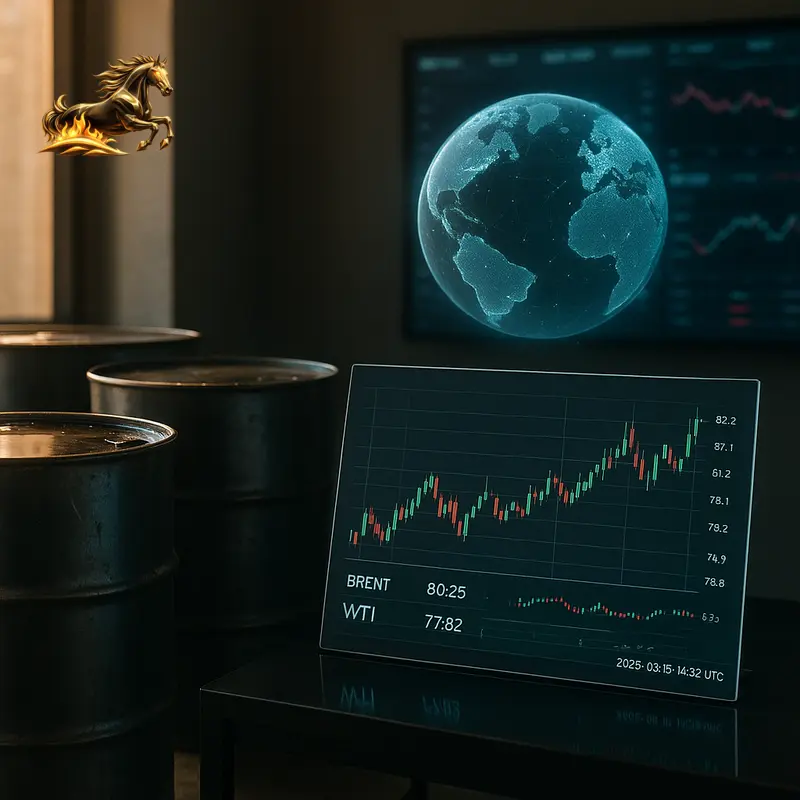
- West Texas Intermediate (WTI): Known as “Texas Light Sweet,” WTI trades on NYMEX and reflects high-quality oil delivered in Cushing, Oklahoma. Prices currently hover near $88.59 per barrel, reflecting regional supply and demand.
- Brent Crude: Traded on the Intercontinental Exchange (ICE), Brent sets the price benchmark for oil from Europe, Africa, and the Middle East. It often trades at a premium to WTI, currently around $95.48 per barrel.
- OPEC Basket: A weighted average price representing crude from OPEC member nations, it signals the organization’s pricing strategy and market influence.
Key Factors Affecting Live Crude Oil Prices
Live crude oil prices move dynamically in response to:
- Supply and Demand Dynamics: Price adjustments stem from imbalances—excess supply pushes prices down; strong demand pulls them up. Agencies like the International Energy Agency (IEA) regularly release forecasts that sway markets.
- Geopolitical Developments: Political instability in oil-rich regions triggers sharp price shifts—such as recent WTI price changes tied to diplomatic talks with Iran.
- Economic Data: Global indicators like GDP growth, employment numbers, and manufacturing output shape expectations for energy demand.
- Currency Fluctuations: Because crude oil trades mainly in U.S. dollars, changes in currency strength influence global purchasing power and demand.
- Seasonal Trends: Winter heating needs and summer travel seasons drive predictable demand cycles affecting prices.
Bottom line: Grasping these benchmarks and market forces is foundational for effective live crude oil price tracking.
How to Track Live Crude Oil Prices in 2026: Your Go-To Resources
Top Real-Time Platforms for Tracking Dollar Per Barrel
Access to accurate, live data is key. In 2026, the following platforms provide reliable oil price updates:
- OilPrice.com: Real-time charts, breaking market news, and comprehensive benchmark coverage.
- Trading Economics: Offers recent WTI futures prices, historical charts, plus free and premium insights.
- Markets Insider: Live pricing alongside practical tools like converting barrels to gallons for better market understanding.
- Commodity.com: Updates crude oil prices every minute with interactive NYMEX-sourced charts.
- Oil Price API: Perfect for developers, this free API provides live updates every five minutes for Brent and WTI oil prices.
Mobile Apps to Track Oil Prices On-The-Go
Leading financial apps such as Bloomberg, MarketWatch, and Investing.com allow you to:
- Receive real-time alerts and customized notifications
- Create personalized watchlists
- Access expert analysis and up-to-date news
- Explore interactive oil price charts
Decoding Price Data Terms
When tracking live crude oil prices, understand these key terms:
- Spot Price: The current price for immediate delivery of oil.
- Futures Price: The agreed price today for delivery at a later date.
- Settlement Price: The official price marking a day’s close on exchanges.
- Bid/Ask Spread: The difference between buying and selling prices, indicating liquidity.
Remember: Using trusted sources and knowing price terminology boosts your ability to monitor crude oil prices confidently and accurately.
A Look Back: Oil Price Trends from 1974 to 2026
The Story of Oil Price Evolution
- Around $6.95 per barrel in 1974.
- Spiking past $35 in the 1980s amid geopolitical turmoil like the Iranian Revolution.
- Hovering mostly between $15-$25 through the 1990s.
- Peaking at $147 in 2008 during economic upheaval.
- Plunging into negative territory in April 2020 amid pandemic-driven demand collapse.
- Now, in 2026, prices between $86 and $95 per barrel reflect recovery tempered by ongoing market adjustments.
Defining Historical Events Impacting Prices
- The 1973 Arab oil embargo that ignited the first global energy crisis.
- The Gulf War in 1990, which sharply disrupted supply.
- The 2008 financial crash damping demand and price stability.
- The 2020 COVID-19 pandemic paired with a Saudi-Russia price war shakeup.
- The accelerating global energy transition reshaping supply-demand fundamentals.
Key takeaway: Understanding history helps interpret today’s oil price fluctuations with context and insight.
Interpreting Live Oil Price Moves in 2026
What Price Changes Mean
- Small shifts ($1–2 per barrel): Usually routine reactions to inventory data or economic reports.
- Moderate changes ($3–5 per barrel): Reflect significant geopolitical or policy developments.
- Large swings ($5+ per barrel): Indicate major production disruptions or conflicts.
Reading Market Signals
- Sentiment: Rising prices signal bullish outlooks; falls suggest bearish trends.
- Inventory Reports: Surprises from agencies like API or EIA can cause rapid price swings.
- Price Curves: Patterns like contango or backwardation reveal what market participants expect about future supply and demand.
Insight: Decoding why prices move sharpens your decision-making and risk assessments.
The Global Ripple Effect: How Oil Prices Impact Daily Life and Economies
Economic Consequences
- Transportation Costs: Brent crude near $95.48 per barrel translates to roughly $2.27 per gallon gasoline. Every $1 rise or fall nudges pump prices, affecting consumer budgets and logistics.
- Manufacturing: Oil underpins energy and petrochemical inputs. Sharp price hikes can slow global GDP growth.
- Inflation: Oil-driven cost changes flow into consumer and producer price indices, influencing central bank policies worldwide.
Geopolitical Impact
- Producer Nations: Oil revenue defines budgets and global influence for exporters like Saudi Arabia and Russia.
- Consumer Countries: High oil costs affect trade balances, currency stability, and energy security.
- International Relations: Oil pricing plays a key role in diplomacy and trade negotiations.
Bottom line: Oil prices influence layers of economies and international affairs, woven into everyday life.
Investment Strategies Informed by Live Crude Oil Prices
Options for Investors
- Short-Term Traders: Capitalize on volatility using technical analysis and reacting to news events.
- Long-Term Investors: Target strong oil firms, energy ETFs, or futures and options for diversified exposure.
Managing Risk
- Keep individual positions to 1-2% of your portfolio.
- Diversify investments across sectors.
- Use stop-loss orders to guard against sudden price drops.
Pro tip: Smart investing requires strategic insight paired with disciplined risk management.
How Technology Is Revolutionizing Oil Price Tracking
AI and Predictive Analytics
- Machine learning processes historical prices, geopolitical news, weather patterns, and satellite data to forecast oil price trends.
- Natural language processing scans news events and social sentiment in real-time for early alerts.
- Satellite monitoring tracks tanker movements and storage volumes for unique supply insights.
Blockchain Enhancements
- Smart contracts streamline transactions, minimizing delays and risks.
- Distributed ledger tech boosts supply chain transparency from extraction to end use.
Bottom line: Advanced technology elevates both analysis precision and market transparency for smarter trading.
Environmental and Regulatory Factors Shaping 2026 Oil Prices
The Energy Transition’s Role
- Carbon pricing adds to oil’s cost structure.
- Growing electric vehicle adoption dents long-term oil demand projections.
- ESG investing redirects capital flows and shifts company valuations.
Regulatory Influences
- Production permits, environmental policies, and strategic reserves decisions directly impact supply.
- Global agreements between producers and consumers set market expectations.
Key takeaway: Environmental policies and regulation are now central to the economics of crude oil pricing.
Practical Tips: How to Use Live Oil Prices in Your Daily Decisions
For Consumers
- Track prices to choose the best times for fueling and heating oil purchases.
- Use mobile apps to compare station prices and anticipate seasonal cycles.
For Businesses
- Hedge fuel costs effectively.
- Plan logistics and deliveries around price forecasts.
- Factor petroleum price changes into product pricing strategies.
For Investors and Traders
- Adjust portfolio exposures based on market cycles.
- Hedge risk through derivatives.
- Use oil price trends to gauge broader economic conditions.
Insight: Whether consumer, entrepreneur, or investor, real-time oil price awareness empowers better decisions.
Looking Forward: Trends Influencing Oil Prices Through 2026 and Beyond
- Digital trading platforms and IoT devices boost market transparency and efficiency.
- OPEC+ supply coordination continues amid energy transition challenges.
- Transitioning energy demand patterns emerge—rising in developing markets, offset by renewables and efficiency in mature economies.
- Despite discussions around alternative currencies, the U.S. dollar retains dominance in pricing crude oil.
Conclusion: Keeping an eye on technological innovations and structural market shifts will help you anticipate future price dynamics.
Avoiding Common Traps in Oil Price Analysis
- Myth: High prices always mean supply shortages.
- Myth: Low oil prices are always good for consumers.
- Pitfall: Blindly applying historical trends without accounting for new contexts.
- Pitfall: Overreacting to short-term volatility.
- Pitfall: Confusing correlation with causation.
Remember: Clear, critical analysis helps prevent costly errors when interpreting oil price signals.
Crafting Your Personalized Oil Price Tracking System
Must-Have Elements
- Trustworthy live data feeds with cross-checking.
- Analytical tools like charting software and economic calendars.
- Custom alerts for significant price or news events.
Implementation Tips
- Start simple and add complexity as you go.
- Tailor tools and sources to your specific needs.
- Update and refine your system regularly.
Pro tip: A customized, disciplined tracking approach maximizes your ability to act swiftly and effectively.
Insights from the Pros: What Expert Traders Follow
- Futures curve shapes indicating supply/demand outlooks.
- Options market signals showing support/resistance.
- Physical market data for real-world supply insight.
- Currency pair movements connected to oil pricing.
- Sentiment and volatility indexes like the Commitment of Traders (COT) report and OVX.
Takeaway: Blending quantitative data with market psychology sharpens forecasting and strategy.
Conclusion: Mastering Live Crude Oil Price Tracking in 2026
Tracking crude oil prices in 2026 demands a blend of historical understanding, cutting-edge tools, and economic insight. By mastering benchmarks, market drivers, and global factors shaping price movements, you gain the confidence to interpret oil price shifts accurately.
With 2026 prices ranging roughly between $86 and $96 per barrel, these fluctuations embody supply responses, demand rebounding, geopolitical events, and the energy transition’s growing influence. Whether consumer, business leader, or investor, applying the strategies in this guide will help you make smarter, timely decisions.
Next Steps: Build Your Oil Market Expertise Today
- Bookmark trusted live price trackers such as OilPrice.com and Trading Economics.
- Set personalized watchlists highlighting key price targets and events.
- Keep a learning journal tracking your observations and insights.
- Participate in energy market communities to engage with experts.
- Regularly review emerging trends to sharpen your approach.
Mastering live dollar per barrel crude oil price tracking is an evolving journey. Every informed step increases your confidence navigating this critical market in 2026 and beyond. Start today and stay ahead in a world where oil prices shape the global economy.
