

Petrol Rate Per Barrel in 2026: The Key
Petrol Rate Per Barrel in 2026: The Key Drivers Behind Global Energy Costs
The petrol price you see at the pump is just the tip of the iceberg. It reflects far-reaching economic forces shaping inflation, national security, and the global push toward sustainable energy. As we move through 2026, petrol rates per barrel remain stubbornly high. Benchmark crude oils like Brent consistently trade well above pre-pandemic levels—what was once a price spike has now become the new norm. Whether you’re a driver, business owner, or policymaker, understanding the powerful drivers behind today’s petrol rate per barrel is crucial. This article explores the geopolitics, supply-demand dynamics, and economic factors sustaining elevated crude oil prices—and what this means for the world’s economy today and tomorrow.
Current Landscape: Oil Prices Stay Elevated in 2026
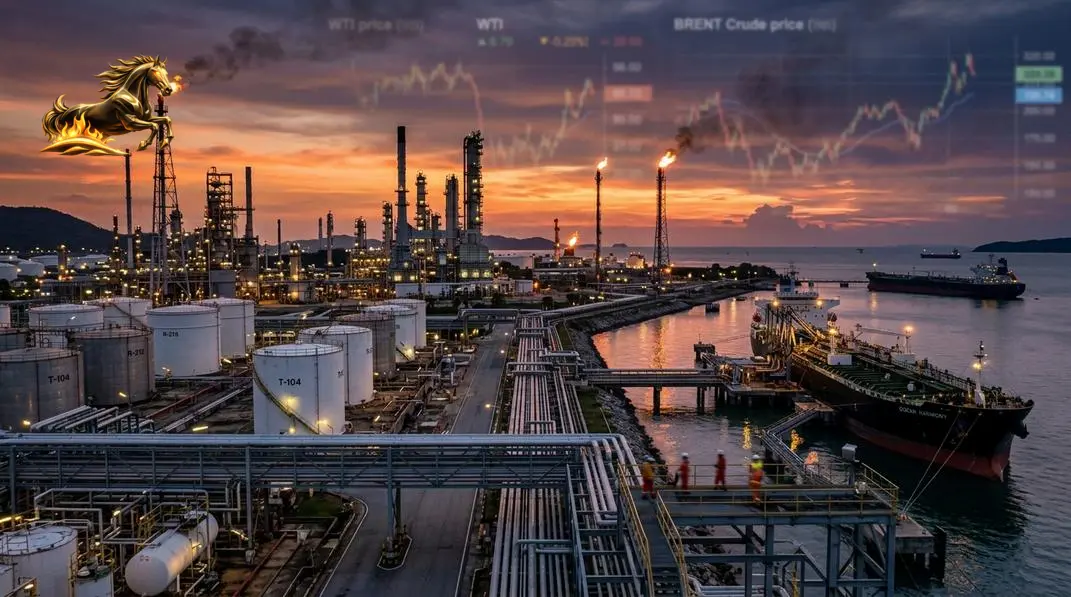
By late 2026, Brent crude typically hovers above $114 per barrel, occasionally touching $117. U.S. West Texas Intermediate (WTI) benchmarks sit just above $101. Compared to pre-2020 averages, these prices represent a sizable jump and signal a significant shift in the global energy market.
Industry forecasts, including from the U.S. Energy Information Administration (EIA), suggest prices won’t fall below $100 anytime soon. Brent is expected to average around $105 per barrel in the year’s final months, solidifying a new baseline that views dips as buying opportunities rather than trends downward.
Why the Petrol Rate Per Barrel Matters
- Fuel Costs for Consumers: Crude oil accounts for over half the retail price of petrol and diesel, directly affecting what you pay at the pump.
- Inflation Impact: Oil underpins transportation and manufacturing. Rising crude prices drive up the cost of goods and services worldwide.
- Economic Growth: For oil-importing countries, high crude prices strain budgets and currency reserves, like a hidden tax. Exporters benefit from revenues but face volatility.
- Energy Policy Shifts: Price pressures motivate investment in both new fossil fuel exploration and faster adoption of renewables.
Recognizing this chain reaction emphasizes why tracking the petrol rate per barrel is essential—not just for markets but for everyday financial decisions.
Geopolitical Tensions: The Market’s Constant Pressure Cooker
Geopolitics remains a central factor driving high oil prices in 2026. The ongoing risk premium embedded in crude prices reflects the fragile global landscape.
Middle East: Enduring Instability
- Infrastructure Attacks: Recent strikes, such as Houthi attacks on key Saudi refineries, trigger immediate price jumps, pushing Brent toward $115. These incidents reveal how sensitive markets are to disruptions at critical hubs.
- Iran’s Influence: Heightened tensions around Iran keep vital shipping lanes like the Strait of Hormuz under threat, adding significant risk premiums to crude prices.
Beyond the Middle East: Widening Global Risks
- South China Sea Disputes: Territorial tensions threaten essential maritime routes, risking global energy supply continuity.
- Russia’s Role: Despite diminished shock from recent conflicts, Russia’s ongoing sanctions and geopolitical friction continue to disrupt supply chains and raise production costs.
Together, these factors turn the petrol rate per barrel into a complex geopolitical barometer as much as a market indicator.
Supply and Demand: The Fundamentals Supporting High Prices
Traditional market forces remain central to pricing trends:
Supply Discipline: OPEC+ and Shale’s Shift
- OPEC+ Control: Led by Saudi Arabia and Russia, OPEC+ maintains strategic production cuts that prop up prices, demonstrating their ongoing market power.
- U.S. Shale Maturity: Unlike its rapid growth era, U.S. shale producers now prioritize profitability over volume, tempered by environmental rules and cost pressures, limiting output expansion.
Steady Demand: Recovery and Emerging Markets
- Post-Pandemic Bounce: Economic activity and transportation fuel use have largely rebounded, sustaining global oil consumption.
- Emerging Economy Growth: Urbanization and rising incomes in Asia and Africa drive increased fuel demand, offsetting flat consumption in developed countries.
This controlled supply paired with resilient demand forms a strong foundation for sustained high petrol price per barrel levels.
The Wider Impact: How High Oil Prices Reshape Economies and Policies
Petrol prices over $100 per barrel have significant global consequences.
Inflationary Pressures on Cost of Living
- Boosting Transport and Shipping Costs: Higher fuel prices increase prices of goods by raising logistical expenses.
- Pushing Up Energy Bills: While natural gas markets are separate, electricity and heating costs often follow oil’s lead.
- Raising Prices of Petroleum-Derived Goods: Everything from plastics to fertilizers is affected, lifting the cost of many daily essentials.
Central banks wrestle with these inflation drivers while trying to sustain growth amid these price shocks.
Fueling and Challenging the Energy Transition
- Renewables Become More Competitive: High oil prices improve the business case for solar, wind, and electric vehicles, accelerating investments.
- Energy Security Drives Renewables: Import-dependent nations push domestic clean energy development to cut exposure to volatile global markets.
- Fossil Fuel Backlash Risks: Political and social pressures for more fossil fuel supply or subsidies can slow the transition, especially where affordability matters most.
This creates a complex, nonlinear energy landscape moving forward.
Winners, Losers, and Political Stability
- Exporting Nations: Increased revenues may fund diversification but amplify vulnerability to future shocks.
- Import-Dependent Countries: Struggles with trade balance deficits and reduced autonomy encourage new alliances and diplomacy.
- Social Stability Risks: Rising fuel costs can spark unrest, particularly in low-income regions disproportionately impacted by energy expenses.
Looking Ahead: Trends That Will Shape Oil Prices Beyond 2026
Several powerful trends will define whether 2026’s petrol rates per barrel are here to stay or a phase.
Investment Constraints and Future Supply Tightness
ESG investing curbs capital for new oil projects, risking supply shortages even amid high prices and sustaining structural price premiums.
Technology: A Double-Edged Sword
- Better extraction techniques improve output efficiency.
- Innovations in energy storage, green hydrogen, and electric vehicles drive demand decline.
- The pace of technology adoption remains a critical unknown.
Climate Policy Impact
Stricter regulations—carbon pricing, emissions targets, EV mandates—will increasingly shape demand and, ultimately, supply economics.
Fragmented Global Markets
Sanctions, shifting alliances, and new trading currencies like the “Petro-yuan” herald a fracturing global oil market, potentially spiking regional price differences and complicating supply chains.
How to Navigate High Petrol Prices: Practical Advice
Consumers:
- Opt for fuel-efficient or electric vehicles to lower fuel cost exposure.
- Budget proactively for ongoing energy price volatility.
- Support locally sourced products to reduce transport costs and emissions.
Businesses:
- Assess fuel cost risks and consider fuel hedging strategies.
- Rethink supply chains, favoring local or regional sourcing.
- Innovate to cut reliance on petroleum inputs.
Policymakers:
- Speed up renewable infrastructure investment and deployment.
- Target financial support toward vulnerable groups rather than broad subsidies.
- Diversify import sources and strengthen energy security policies.
Conclusion: Navigating a Defining Moment in Global Energy
The petrol rate per barrel in 2026 is a powerful lens on today’s energy transition. Elevated prices reflect geopolitical risks, supply constraints, and an economy still dependent on hydrocarbons. While these prices strain budgets and geopolitics, they also drive necessary momentum toward clean energy adoption.
Expect “higher for longer” to characterize oil’s pricing landscape. Resilience, innovation, and decisive commitment to energy diversification by individuals, businesses, and governments will shape the pace and nature of our global energy future.
Frequently Asked Questions (FAQ)
1. Why is petrol rate per barrel so high in 2026?
Persistent geopolitical uncertainty, OPEC+ production discipline, cautious shale growth, and strong demand—especially from emerging markets—keep prices elevated.
2. How do Middle East conflicts affect what I pay at the pump?
Threats to key infrastructure and shipping lanes force traders to add a “risk premium” on crude oil, which directly lifts retail fuel prices.
3. What’s the difference between Brent and WTI crude?
Brent is the main global benchmark from the North Sea; WTI reflects U.S. oil markets. Their prices differ due to location and quality but generally move in tandem.
4. Will high oil prices speed up the shift to renewables and electric vehicles?
Yes. Higher fossil fuel costs improve clean energy’s financial competitiveness, encouraging faster investment and use.
5. What can governments do to shield their economies from high oil prices?
Short-term steps include strategic reserve releases and targeted support; long-term strategies focus on expanding renewables, boosting efficiency, and diversifying energy sources.
