

Oil Price Today in Dollar Per Barrel: The Real-Time Market Breakdown (2026 Edition)
When you scroll through your newsfeed and spot those familiar oil price fluctuations, it might seem like just another headline. But for investors, businesses, and consumers alike, the oil price today in dollar per barrel is much more—it’s a vital barometer of economic health, geopolitical stability, and personal finances. As we navigate 2026, understanding what drives oil prices is not just interesting; it’s essential for making smart decisions in an ever-changing energy world.
The current oil market is a hotbed of shifting forces. Strong demand projections and ongoing geopolitical tensions push prices up, while new regulations and market corrections fuel volatility that keeps everyone on their toes. Behind every number you see on your screen lies a complex story affecting everything from what you pay at the pump to global trade strategies. This article dives into the key dynamics shaping today’s oil price and what it means for you.
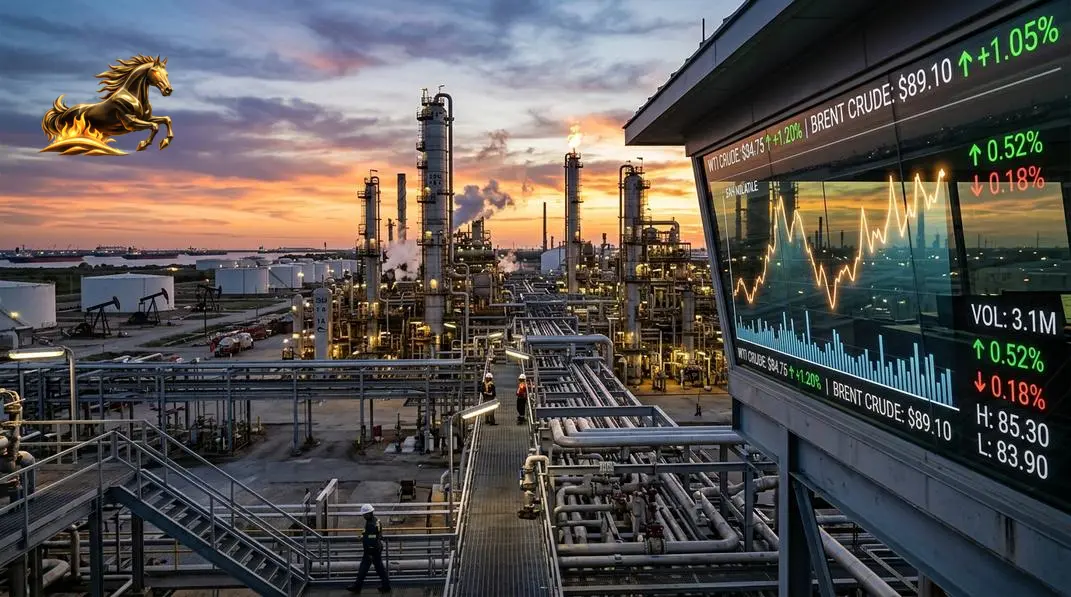
Breaking Down Today’s Oil Price: Live Market Snapshot
By late 2026, the oil market remains highly volatile, with two benchmarks dominating the scene:
- Brent Crude: The global standard trades tightly between $109.4 and $109.9 per barrel. Price swings hover near $109.28 to $109.91, reflecting subtle daily moves amid geopolitical and supply concerns.
- WTI Crude: The U.S. benchmark, West Texas Intermediate, sees intraday changes ranging from $98.1 to $100.4 per barrel, recently dipping close to $98.12 after a notable market recalibration.
Remember, these prices shift instantly with global events. For example, a recent tweak in U.S. sanctions on Russian oil drove Brent futures down about 2% to $107.64, while WTI slipped to $98.12. This shows the delicate balance—geopolitical factors keep prices firm, yet the market remains sensitive to the smallest changes. In 2026, the oil price per barrel is a nonstop negotiation between supply constraints and uncertainty.
Why “Price Per Barrel” Still Matters in 2026
Even with advancements in renewable energy and shifts in consumption, the oil barrel remains the world’s most impactful commodity. Its price directly influences:
- Global Inflation: Oil underpins transport and manufacturing costs, so high prices push inflation higher, challenging central banks worldwide.
- National Economies: Exporters gain budget boosts when prices rise; importers struggle with bigger trade deficits and squeezed consumer spending.
- Corporate Strategy: Airlines, chemical makers, and countless others carefully track oil prices to manage margins and stay competitive.
- Energy Investment: The value of renewables, electric vehicles, and exploration projects hinges on current and forecasted oil prices, guiding where capital flows.
Tracking the oil price in dollar per barrel is crucial to grasping the broader economic and geopolitical currents shaping our world.
The Four Engines Driving Today’s Oil Price Volatility
Four main forces push and pull oil prices every day:
1. Geopolitical Powder Keg: Supply Disruption Risks
Geopolitical tensions continue to add a hefty “risk premium” to oil prices. The Strait of Hormuz—a choke point for about a third of seaborne oil—is a major flashpoint. Recent Iranian attacks on vessels have kept markets jittery, causing prices to jump $5 to $10 per barrel overnight just on the threat alone.
Beyond the Middle East, sanctions and diplomatic moves—like those affecting Russian oil exports—add layers of uncertainty. In 2026, geopolitical risk is not a one-off hiccup but a steady force shaping every trade.
2. OPEC+ Balancing Act: Managed Scarcity
OPEC+ controls much of the global oil supply. Their carefully choreographed production quotas are the most powerful tool to tighten or loosen the market.
By managing output with precision, OPEC+ enforces managed scarcity, holding prices up even amid solid demand. Recent remarks highlight confidence in demand growth, making their disciplined approach vital. Traders hang on every OPEC+ update because quota decisions instantly sway prices. Right now, their strategy keeps Brent prices steady above $105 per barrel.
3. Demand Dilemma: Economic Growth vs. Energy Transition
Demand is a balancing act. Emerging economies in Asia fuel steady consumption, especially for transport and industry, as pandemic recoveries mature into stable growth.
Meanwhile, the ongoing energy transition—with rising electric vehicle use, efficiency gains, and sustainability pushes—starts to restrain demand growth. Though not yet causing outright declines, this tug-of-war adds to market sensitivity around economic data and forecasts.
4. Dollar and Financial Flows: Beyond the Barrel
Since oil trades in U.S. dollars, currency moves matter. A strong dollar makes oil costlier worldwide, trimming demand and putting downward pressure on prices; a weaker dollar does the opposite.
On top of that, financial markets—speculators, hedge funds, institutions—drive short-term price swings, sometimes regardless of physical supply and demand. Recent sharp drops in WTI prices reflect how quickly sentiment and technical trading can spark volatility.
Ripple Effects: How Today’s Price Impacts You and the Economy
Oil prices don’t just stay in the market—they ripple everywhere:
- At the Gas Pump: While refining and taxes affect retail prices, crude price shifts are the main driver. A $10 rise per barrel typically leads to noticeable increases in gasoline prices within weeks.
- Inflation and Central Banks: Higher oil costs push transport, manufacturing, and heating expenses upward, often nudging central banks toward tighter interest policies.
- Corporate Earnings: Fuel-heavy industries like airlines and shipping see profits swing with oil prices, shaping investment and strategy.
- Government Budgets: Many oil exporters base fiscal plans on benchmark prices. Fluctuations impact surpluses, deficits, and public spending.
- Renewable Energy Competitiveness: High oil prices boost the appeal of renewables and electric vehicles, accelerating the energy transition by improving economics.
Forecasting the Future: Where Will Oil Prices Go?
While exact forecasts are tricky, several factors will guide prices in 2026 and beyond:
Bullish Factors:
- Escalating conflicts in strategic areas like the Strait of Hormuz
- Continued OPEC+ discipline or production cuts
- Strong economic growth, especially in Asia
- Underinvestment in new oil capacity amid environmental concerns
Bearish Factors:
- Geopolitical calm reducing risk premiums
- OPEC+ losing cohesion and increasing output
- Global economic downturns suppressing demand
- Accelerated shifts toward renewables and electric vehicles
Most experts expect Brent prices to fluctuate within a $95 to $120 per barrel range, marked by sharp spikes and pullbacks driven by headline events.
Navigating Volatility: Practical Tips for Stakeholders
No matter your role, smart strategies can help manage oil price swings:
Investors:
- Diversify your holdings to balance energy exposure
- Look into integrated energy companies blending fossil fuels and renewables
- Keep an eye on EIA reports, OPEC announcements, and IEA forecasts
Businesses (Transportation, Manufacturing):
- Use hedging tools to lock in fuel costs
- Invest in fuel efficiency to cushion price jumps
- Run scenario plans with different oil prices ($80, $100, $120) to prep for changes
Consumers and Policymakers:
- Stay informed with trusted news and analysis
- Understand short-term volatility coexists with long-term transition trends
- Support diverse energy approaches to boost resilience
Conclusion & Key Takeaways
The oil price today in dollar per barrel reflects a complex, fast-moving interplay of geopolitical, economic, and financial forces. As of late 2026, Brent hovers near $109, WTI around $98, held up by OPEC+ discipline and geopolitical tensions but sensitive to rapid shifts.
Key points to remember:
- Volatility is the new normal—expect quick market reactions.
- Geopolitical risks keep a persistent price floor.
- The energy transition shapes but doesn’t overturn oil demand yet.
- Active engagement through investing, business planning, and policy leads to better outcomes.
Knowing the story behind each barrel helps you make informed choices in this vital global sector.
Frequently Asked Questions (FAQ)
Q1: What’s the difference between Brent and WTI crude oil prices?
A: Brent comes from the North Sea and serves as a global benchmark, while WTI is U.S.-sourced and priced at Cushing, Oklahoma. Brent usually trades at a premium due to easier global shipping and quality differences. Regional supply, transport, and geopolitics drive price spreads.
Q2: Why did oil prices drop recently despite Middle East tensions?
A: Prices fell mainly due to a reassessment of Russian oil supplies after U.S. sanctions changed—more oil entered markets, offsetting risk premiums from geopolitical tensions.
Q3: How do OPEC+ decisions affect the oil price I see?
A: OPEC+ controls a big share of global oil. Production cuts reduce supply and raise prices; increases do the opposite. Their announcements impact market expectations and physical supply alike.
Q4: Will high oil prices speed up electric vehicle and renewable adoption?
A: Historically, sustained high prices make renewables and EVs more economically attractive. In 2026, elevated prices continue to drive this shift.
Q5: Where can I find reliable, current oil price info?
A: Trusted sources include Bloomberg, Reuters, CNBC, and market platforms for live prices. For fundamentals and forecasts, check the U.S. Energy Information Administration (EIA), International Energy Agency (IEA), and OPEC reports.
Keeping tabs on the real-time oil price today and its drivers gives you powerful insight into the complex forces shaping global markets and your everyday financial world in 2026 and beyond.
