
Methyl Methanol: The Dual Promise and Peril of a Modern Chemical Powerhouse in 2026
Imagine one substance that heats homes, fuels vehicles, and forms the backbone of everyday products—from plastics and paints to clothing and medicines. Now imagine that same substance, if mishandled, can cause vision loss, severe poisoning, and even death. Welcome to the complex world of methanol—also known scientifically as methyl alcohol—a chemical cornerstone with both incredible promise and serious risks in 2026.
In this article, we dive deep into methanol’s critical role in industry and energy, explore the market forces shaping its future, confront the ongoing global health crisis caused by methanol poisoning, and spotlight the sustainable vision of a “methanol economy.” Whether you’re a policymaker, industry leader, healthcare professional, or consumer, understanding methanol’s dual nature is essential.
What Is Methyl Methanol? Demystifying This Powerful Molecule
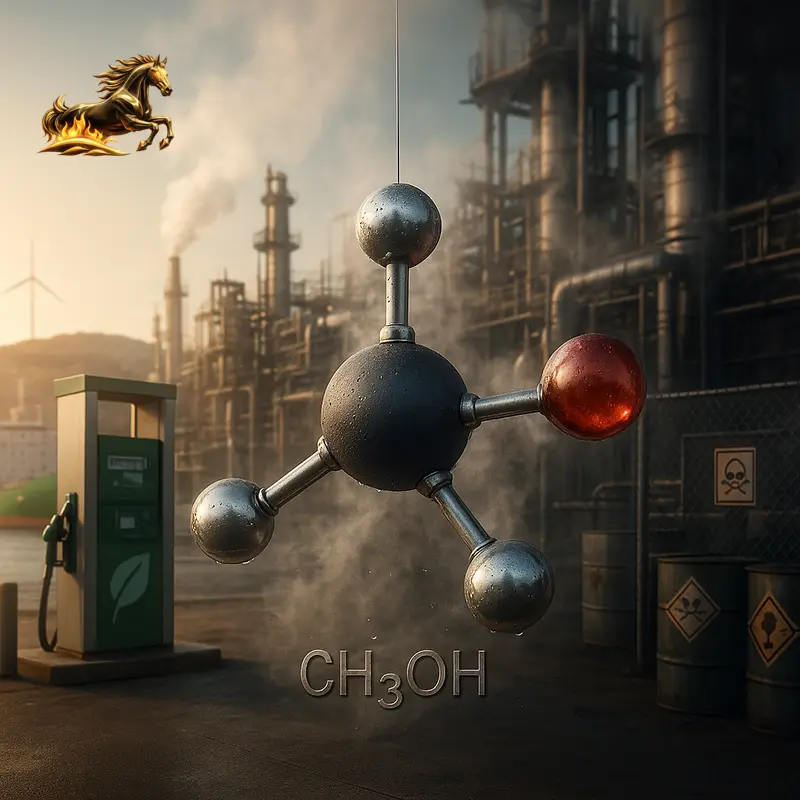
“Methyl methanol” is a redundant term for methanol (CH3OH), the simplest alcohol made of one carbon atom bonded to three hydrogens and a hydroxyl group. Historically called “wood alcohol,” methanol is a clear, volatile liquid with a faintly sweet smell.
Though simple in structure, methanol packs a punch: it’s a vital chemical building block, an effective solvent, and an energy-rich fuel. But beware—unlike ethyl alcohol (ethanol), the type of alcohol safely consumed in beverages, methanol is highly toxic and can cause severe health consequences.
Scientists, industry experts, and healthcare professionals unanimously use the term methanol to avoid confusion. This distinction is crucial to understanding both its immense benefits and hidden dangers.
Key takeaway: Methanol’s straightforward molecular makeup hides a powerful industrial role paired with serious toxicity—making knowledge and caution vital.
The Engine of Industry: Methanol’s Pivotal Role in 2026
Methanol drives a global industry producing more than 100 million metric tons yearly. Its value stems from two primary arenas: as a feedstock in the chemical industry and as a promising sustainable fuel.
Methanol as Chemical Backbone: From Formaldehyde to Everyday Plastics
Over half of methanol produced feeds into making other chemicals. Its main derivative, formaldehyde, creates resins found in plywood, insulation, and particleboard. Methanol also serves as the raw material for acetic acid, MTBE (a gasoline cleaner), and various solvents.
One standout process is Methanol-to-Olefins (MTO), which converts methanol into ethylene and propylene—the building blocks of plastics. In an era increasingly wary of petroleum-based plastics, MTO offers a viable alternative, especially in countries with abundant coal and natural gas reserves.
Fueling the Future: Methanol’s Growing Role in Clean Energy
Methanol’s clean-burning profile, emitting fewer pollutants like sulfur oxides and particulate matter, positions it as a leading alternative fuel in 2026:
- Marine Fuel: New global sulfur emission limits have made methanol a favored bunker fuel. Several shipping companies now operate dual-fuel vessels powered by methanol.
- Power Generation: Direct Methanol Fuel Cells (DMFCs) deliver quiet, efficient power in specialized settings.
- Transportation: Methanol blends and dedicated vehicles continue to operate in markets like China.
- Hydrogen Carrier: Methanol’s ability to release hydrogen onsite makes it crucial to future hydrogen infrastructure.
Key takeaway: Methanol remains a foundational chemical feedstock and a strategic player in clean energy innovation, ensuring its industrial momentum.
The 2026 Methanol Market: Growth, Challenges, and Global Dynamics
Methanol’s global market in 2026 experiences rapid growth but also faces geopolitical and supply challenges.
U.S. Production Boom
The U.S. is rapidly becoming a methanol powerhouse thanks to abundant natural gas. With 12 methanol projects underway—including 10 new plants and 2 expansions—U.S. capacity is set to increase by over 80% compared to 2024, adding 10.2 million metric tons annually. This surge targets strong demand from Asia and the marine fuel sector.
Yet, environmental concerns loom large—air pollution, greenhouse gas emissions, and community impacts call for close regulation.
Geopolitical Strains and Supply Disruptions
Middle East conflicts have disrupted supplies, especially affecting Europe. Price spikes and shortages of methanol and derivatives like formaldehyde and MTBE expose vulnerabilities in global supply chains.
Significant Plant Closures
Complicating matters, Methanex Corporation announced it will idle the Titan methanol plant in Trinidad and Tobago, cutting 860,000 tons yearly from global supply—highlighting how feedstock access remains crucial.
Key takeaway: Methanol’s market rides a wave of rapid U.S. expansion amid geopolitical risks and supply tightness, creating uncertainty and opportunity.
The Dark Side: The Global Methanol Poisoning Crisis
Behind methanol’s industrial successes lurks a serious public health threat: methanol poisoning from illicit and adulterated alcohols.
Danger Patterns and Impact
Methanol-tainted drinks cause devastating outcomes, including metabolic acidosis, blindness, organ failure, and death. Worldwide, more than 14,600 deaths linked to methanol poisoning have been documented across nearly 80 countries.
Travel advisories, like those from the UK Foreign Office, now cover 38 countries to warn travelers, emphasizing the widespread nature of the risk—largely concentrated where alcohol regulation is lax and illegal markets flourish.
Notable Outbreaks
- Brazil (2025): Contaminated beverages led to multiple blindness cases, deaths, and emergency antidote treatments.
- Costa Rica: An outbreak caused 25 deaths and the confiscation of over 55,000 suspicious liquor bottles.
- Other Hotspots: Eastern Europe, Southeast Asia, and parts of Africa suffer recurring methanol poisoning outbreaks linked to bootleg alcohol.
Failures in regulation, public education, medical preparedness, and control of industrial methanol access allow this crisis to persist.
Key takeaway: Methanol poisoning is a worldwide, preventable threat demanding urgent coordinated responses.
A Sustainable Vision: The “Methanol Economy” for a Low-Carbon Future
Despite risks, the “methanol economy” concept presents an optimistic roadmap, positioning methanol as a vital energy carrier to meet climate goals.
Green Methanol: Decarbonizing Carbon
Green methanol production favors renewables over fossil fuels:
- Bio-methanol: From biomass waste, recycling carbon and reducing landfill.
- E-methanol: Made through renewable hydrogen and captured CO₂, moving toward carbon neutrality or negativity.
Practical Roles
- Shipping: Green methanol offers a near-term sustainable marine fuel option.
- Chemicals: Enables renewable carbon sourcing for plastics and materials.
- Energy Storage: Acts as a liquid battery, storing surplus renewable electricity.
Challenges remain in cost-effective scaling and hydrogen infrastructure, but research and pilots show promise.
Key takeaway: Green methanol is key to the clean energy transition, with hurdles to overcome but immense potential.
Safety and Prevention: Handling Methanol Responsibly
Given methanol’s toxicity, strict safety and education are essential.
Industrial and Lab Best Practices
- Use only in well-ventilated spaces or fume hoods.
- Always wear gloves, goggles, and protective clothing.
- Store in clearly labeled containers away from heat and oxidizers.
Reducing Public Health Risks
- Stronger regulation of methanol sales and tracking.
- Public education focused on at-risk communities.
- Equipping medical facilities with diagnostics and antidotes.
- International cooperation for surveillance and prevention.
Key takeaway: Responsible methanol management safeguards both industry and public health.
Looking Ahead: The Future of Methanol in 2026 and Beyond
Methanol’s future hinges on balancing enormous industrial and energy demands with critical health and environmental challenges:
- U.S.-driven production growth and a shifting marine fuel landscape.
- Expansion of green methanol aligning with climate targets.
- Urgent action needed to prevent methanol poisoning outbreaks.
How we address these issues will shape methanol’s role in global sustainability, safety, and prosperity.
Conclusion: Methanol’s Dual Legacy in 2026
Methanol symbolizes a powerful duality—a catalyst for growth and a serious health hazard. Key points to remember:
- Production is booming, led by the U.S., but challenged by geopolitics and plant closures.
- A global methanol poisoning crisis demands urgent regulation, education, and healthcare support.
- Green methanol offers a pathway to decarbonize fuels and chemicals.
- Safety and awareness are non-negotiable for harnessing methanol’s full potential.
Navigating these complex facets will define methanol’s impact and our collective future.
Frequently Asked Questions (FAQ)
Q1: What’s the difference between methanol, ethyl alcohol, and isopropyl alcohol?
Methanol (CH3OH) is a toxic industrial alcohol not safe for drinking. Ethyl alcohol (ethanol, C2H5OH) is the beverage alcohol, safe in moderation. Isopropyl alcohol is a disinfectant, toxic if ingested. Always consume only beverage-grade ethanol.
Q2: Why is methanol called a green fuel when usually made from natural gas?
Traditional “gray” methanol comes from fossil fuels and isn’t green. Sustainable “green methanol” is made from biomass (bio-methanol) or renewable hydrogen plus captured CO₂ (e-methanol), cutting net carbon emissions drastically.
Q3: What should I do if someone ingests methanol?
Seek emergency medical care immediately. Symptoms may be delayed, so do not wait. Tell medical staff about suspected methanol poisoning to ensure prompt antidote treatment (fomepizole or medical ethanol).
Q4: Why are methanol poisonings more common in some countries?
They occur where methanol is easy to divert, alcohol is heavily taxed, informal markets thrive, and medical/public awareness is low.
Q5: How can travelers avoid methanol poisoning?
Heed travel advisories. Only drink alcohol from licensed, reputable sources. Avoid homemade or unlabeled spirits, especially clear ones. When unsure, skip alcohol altogether.
Understanding methanol’s powerful potential and hidden dangers is crucial for responsible use, policymaking, and public health in 2026 and beyond. Through informed action and collaboration, we can safely unlock methanol’s benefits while protecting people and our planet.
