
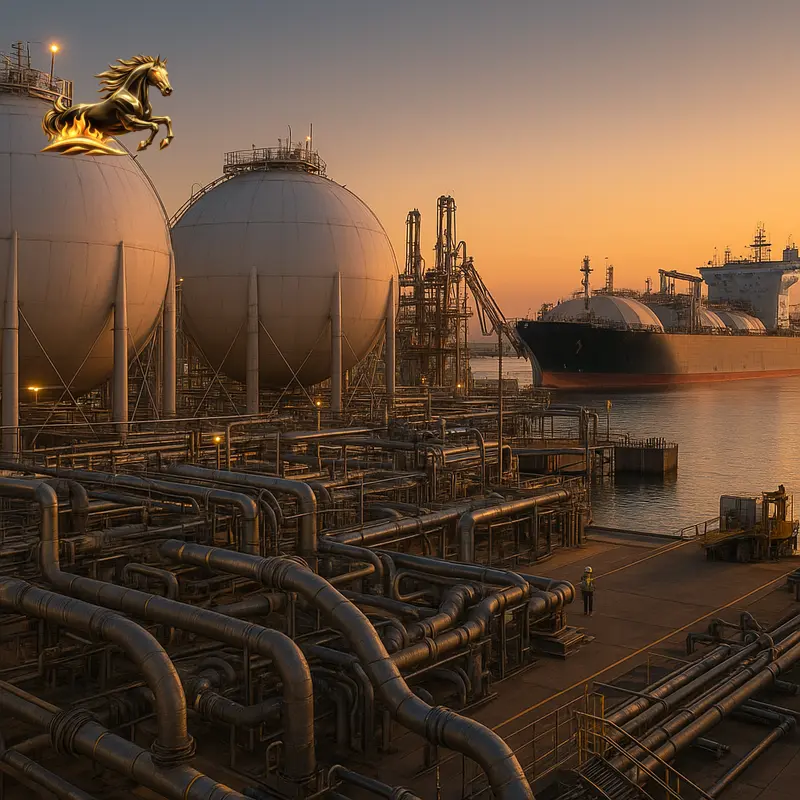
LNG Technology in 2026: Powering a Secure and Sustainable Energy Future
The 21st century’s energy challenges demand a clear focus: delivering reliable energy while embracing sustainability. As global power needs grow, so does the urgency to reduce greenhouse gas emissions. In this landscape, Liquefied Natural Gas (LNG) technology has stepped into the spotlight as a critical solution—rapidly evolving to address today’s energy complexities with innovation and environmental care.
Once seen mainly as a way to transport natural gas efficiently, LNG technology in 2026 is now a sophisticated fusion of advanced engineering, digital breakthroughs, and eco-conscious design. From cutting-edge carbon capture initiatives along the U.S. Gulf Coast to nimble floating import terminals expanding access in Southeast Asia, LNG is redefining its role as a cornerstone of energy security and a lower-carbon future.
This post dives into the forefront of LNG innovation in 2026, showcasing game-changing advances in liquefaction, shipping, infrastructure, and smart digital tools. These breakthroughs not only boost LNG’s efficiency and resilience but also underscore its critical role in supporting both energy stability and global climate goals.
Why LNG Is More Vital Than Ever in 2026
To appreciate LNG’s growing impact, it’s key to understand what makes it essential. Burning natural gas emits about 50% less CO2 than coal and produces fewer pollutants, making LNG a vital “bridge fuel” on the path to renewables.
But natural gas reserves are scattered globally, and pipelines aren’t always viable across vast distances, especially between continents. Liquefying natural gas shrinks its volume by roughly 600 times, enabling cost-effective shipment on specialized LNG carriers to nearly any coastal market.
In 2026, three major trends amplify LNG’s importance:
- Reinforcing Energy Security: Recent geopolitical shifts have revealed weak links in pipeline-reliant systems. Many countries—especially in Europe and Asia—are diversifying their gas supply through LNG’s flexible seaborne deliveries for greater resilience.
- Supporting the Energy Transition: As renewables expand, their intermittent nature requires reliable backup. LNG-fueled natural gas plants provide essential grid stability, complementing wind and solar generation.
- Meeting Emerging Market Demand: Rapidly growing economies in China, India, and Southeast Asia are turning increasingly to LNG to satisfy energy needs while cutting coal use.
Far from a static fossil fuel, LNG is now a dynamic force shaping a cleaner, more secure energy future—with advanced LNG technology driving this transformation.
Cutting-Edge LNG Technologies: Powering Progress
The LNG value chain—covering liquefaction, shipping, and regasification—is undergoing remarkable innovation, lowering costs, boosting efficiency, and shrinking the carbon footprint.
Next-Gen Liquefaction Innovations
Liquefaction is energy-intensive, but breakthroughs are optimizing its performance and scalability:
- Enhanced Cascade Processes: Building on ConocoPhillips’ method, 2026 introduces modular configurations tailored to gas field sizes, cutting capital costs and increasing operational flexibility.
- Advanced Compressors: Collaborations between leaders like Ebara Elliott Energy and Doosan Enerbility yield gas turbine compressors that offer greater reliability and efficiency, reducing downtime and lifecycle expenses.
- Small- and Mid-Scale Plants: Modular liquefaction units bring LNG production closer to remote fields, mining sites, and island grids, broadening energy access and complementing large infrastructure.
Smarter LNG Marine Transport
The global LNG trade fleet and infrastructure continue evolving with focus on efficiency and sustainability:
- Improved Containment Systems: Technologies like GTT’s MARK III and NO96 membranes reduce boil-off gas losses, ensuring more cargo reaches destinations intact.
- Expanding LNG Bunkering: Growing refueling hubs at ports such as India’s Kandla support LNG’s rise as a cleaner marine fuel powering container ships, bulk carriers, and cruise vessels.
- Floating Storage & Regasification Units (FSRUs): These floating terminals enable fast, flexible LNG imports without the delays of building land-based facilities, accelerating market access in places like Malaysia.
Integrating Sustainability into LNG Engineering
Sustainability is baked into LNG facility design:
- Carbon Capture with CCUS: Facilities like the Texas Gulf Coast terminal integrate carbon capture technologies upfront, slashing emissions and lowering LNG’s carbon footprint.
- Renewable-Powered Liquefaction: Initiatives to power LNG plants using solar or offshore wind are pioneering green liquefaction, aiming for LNG production with minimal emissions.
- Cutting-Edge Methane Leak Detection: Deploying satellite, drone, and ground sensors accelerates methane leak identification and repair—critical to preserving LNG’s climate edge.
These innovations underscore LNG’s commitment to environmental responsibility alongside operational excellence.
Regional LNG Powerhouses and Infrastructure Growth
LNG advancements align closely with regional energy strategies shaping global markets.
North America: Leading LNG Export Innovation
- Next-Gen Export Facilities: New projects emphasize modular build, improved efficiency, and integrated carbon capture, drawing on lessons from earlier terminals.
- Upstream Integration: Enhanced pipeline networks and underground gas storage boost supply flexibility and responsiveness to market needs.
Asia-Pacific: The World’s LNG Demand Hub
- Rapid FSRU Deployment: Floating import terminals fast-track LNG market entry for Malaysia, the Philippines, Vietnam, and others.
- Bunkering Infrastructure Expansion: Ports like Singapore and Kandla heavily invest in LNG refueling facilities, fueling marine shipping’s cleaner future.
- Grid-Integrated LNG Systems: In Japan and South Korea, LNG terminals connect digitally to power plants and storage, optimizing LNG use alongside variable renewables.
Europe: Building Energy Resilience Fast
- Expedited LNG Terminals: Germany and other countries fast-track FSRU-based import terminals to reduce pipeline dependence.
- Pipeline Injection & Storage Boost: Investments expand regasification and high-pressure grid connectivity, reinforcing energy security during winter peaks.
The Digital Edge: AI, IoT & Smart LNG Operations
Digital tech is transforming LNG operations:
- Predictive Maintenance: AI analyzes sensor data for early detection of equipment issues, slashing downtime and boosting efficiency.
- Supply Chain Intelligence: Smart algorithms route LNG shipments considering weather, congestion, and prices, maximizing value and timeliness.
- Digital Twins: Virtual plant replicas enable realistic simulations for safer operations, faster innovation, and workforce training without physical risks.
This smart digital layer sharpens LNG’s competitiveness, safety, and sustainability, making tech excellence indispensable.
Overcoming Challenges: Securing LNG’s Future
Despite bright prospects, key challenges demand ongoing focus:
- Methane Emission Control: Robust leak detection and universal reporting are essential to maintain LNG’s climate advantage.
- Capital and Financing: High LNG project costs and investor hesitancy mean carbon management technologies must be standard to attract funding and green premiums.
- Market Volatility: Flexible modular designs and digital trading platforms are needed to navigate evolving contract structures and price fluctuations.
- Community Engagement: Transparency and rigorous safety and environmental standards secure public support for LNG infrastructure.
Addressing these challenges proactively ensures LNG’s continued critical role.
Looking Ahead: LNG Technology Towards 2030
By 2030, LNG tech will advance in exciting ways:
- Hydrogen & Ammonia Ready: LNG cryogenic technologies adapt to transport emerging low-carbon fuels, future-proofing shipping assets.
- Carbon-Neutral LNG: Combining carbon capture, offsets, and blockchain-backed certification will make carbon-neutral LNG a regular commodity.
- Autonomous LNG Operations: Robotics and AI will enable “lights-out” terminal management in select settings, enhancing safety and continuous improvement.
Together, these trends position LNG as a foundational element not just for renewables, but for a comprehensive low-carbon energy portfolio.
Conclusion: LNG — A Pillar of Tomorrow’s Energy
In 2026, LNG technology stands at a transformative crossroads. It has evolved from a simple transport solution into a versatile, agile, and cleaner foundation for global energy security. Breakthroughs in carbon capture, floating infrastructure, digital optimization, and methane management reflect the energy sector’s commitment to a sustainable future.
For policymakers, LNG offers a practical path toward resilient, lower-emission energy systems. For investors, it represents an industry embracing deep technological renewal and opportunity. For society, it delivers stable energy while advancing climate goals.
LNG is no longer just a fuel. In 2026, it is a platform for innovation and a cornerstone of a secure, sustainable energy future.
Key Takeaways & Next Steps:
- Prioritize methane reduction and carbon capture as commercial imperatives.
- Embrace flexible FSRUs and modular LNG plants to expand energy access.
- Leverage AI and digital tools to boost safety, efficiency, and supply chain agility.
- Watch regional infrastructure trends in the U.S. Gulf Coast, Asia-Pacific, and Europe for market insights.
- Prepare infrastructure for emerging low-carbon fuels like hydrogen and ammonia.
FAQ: LNG Technology in 2026
Q1: Does LNG investment conflict with renewable energy goals?
No. LNG complements renewables by providing dependable backup power, essential to balancing variable wind and solar generation.
Q2: How green can LNG become?
With carbon capture, renewable-powered liquefaction, and precise methane leak detection, LNG’s carbon footprint is steadily shrinking—making it increasingly climate-friendly.
Q3: What is an FSRU and why is it important?
An FSRU is a Floating Storage and Regasification Unit—essentially an LNG import terminal on a ship—that can be deployed quickly to enhance energy security without lengthy construction delays.
Q4: How does digital technology improve LNG operations?
Digital solutions enable predictive maintenance, process optimization, intelligent supply chain management, and real-time safety monitoring—key for efficient, responsible LNG production and delivery.
Q5: Is LNG demand fading with electrification?
No. While passenger vehicles go electric, LNG is growing as a cleaner fuel for sectors hard to electrify, such as marine shipping and heavy trucking, effectively cutting emissions today.
By understanding LNG technology’s dynamic evolution in 2026, stakeholders can appreciate its indispensable role in powering a secure, adaptable, and greener energy future worldwide.
