

Crude Oil Is a Global Force: What It Means for Prices, Geopolitics, and the 2026 Energy Landscape
When energy markets jump on missile strikes, diplomatic shifts, storage updates, or weekly inventory numbers, it drives home a powerful fact: crude oil is much more than a commodity. It’s the lifeblood of modern industry.
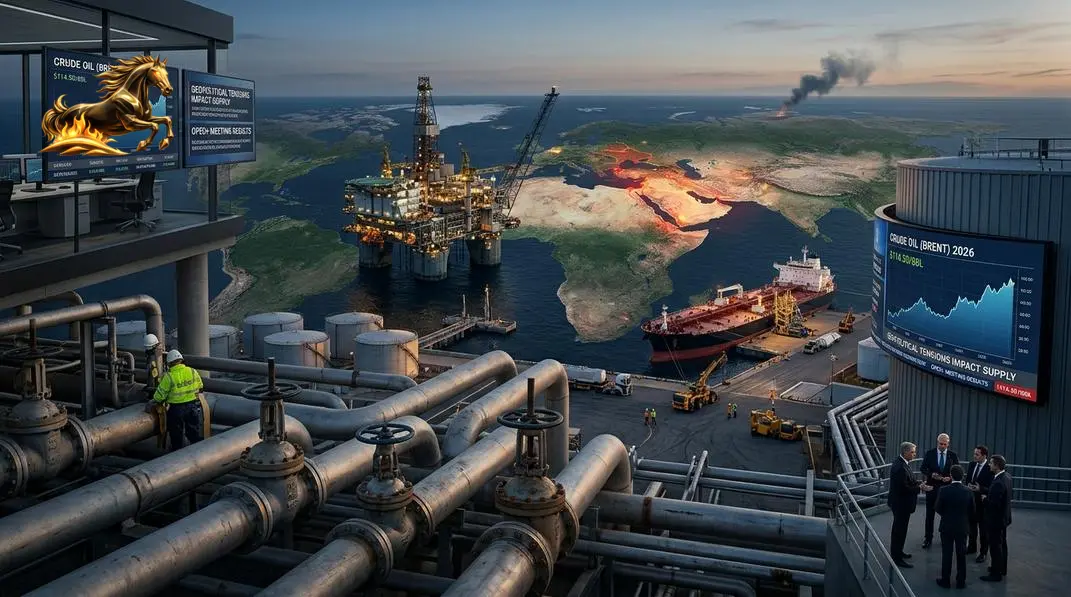
In 2026, this truth is crystal clear. Brent crude soared past $113 after Houthi attacks hit Saudi Arabia’s energy sites—but then eased as U.S.-Iran diplomacy calmed nerves. Saudi forces intercepted missiles and drones targeting pipelines and airports, while U.S. crude inventories fell by 3.1 million barrels, pushing stock levels about 3% below their five-year average. Adding a strategic layer, Saudi Aramco plans to start crude storage operations in Singapore by late 2027, enhancing supply chains in Asia.
These headlines might seem like raw market jargon, but they reveal a layered reality: crude oil is a geopolitical barometer, a trading battleground, a climate challenge, a complex supply-chain puzzle, and a key household expense all at once.
Let’s break down what crude oil really means in 2026—its essence, price drivers, geopolitical impacts, and what to watch as we move ahead.
Understanding Crude Oil: Hydrocarbon Mixture First, Commodity Second
At its core, crude oil is an unrefined, natural liquid blend of hydrocarbons and organic compounds. It’s petroleum before it transforms into gasoline, diesel, jet fuel, plastics, lubricants, or asphalt—a versatile raw material whose value hinges on source, refining methods, and market demand.
Composition varies widely: carbon, hydrogen, sulfur, nitrogen, oxygen, metals—all mingling as paraffins, naphthenes, aromatics. These chemical groups shape refining outcomes and drive price differences.
Why Classification Matters: Light vs. Heavy, Sweet vs. Sour
Industry labels aren’t just jargon; they reveal refining ease and cost:
- Light crude: Lower density, yields more valuable fuels.
- Heavy crude: Denser, tougher to refine.
- Sweet crude: Low sulfur, cleaner and cheaper to process.
- Sour crude: High sulfur, requires extra treatment.
Refineries built for specific grades can face higher costs or disruptions when crude types don’t match—impacting prices, logistics, and environmental compliance.
Geological Roots and the Energy Paradox
Formed over millions of years from organic matter compressed by heat and pressure, crude oil packs powerful energy density but fuels greenhouse gas emissions—a core tension fueling climate debates.
Bottom line: Crude oil’s complex chemistry and ancient origins shape its pivotal yet problematic role.
More Than Just Fuel: Crude Oil Powers Everyday Life
Most think crude oil equals fuel—but its reach is far broader.
Petrochemicals: The Hidden Backbone
Crude feeds the petrochemical industry producing plastics, fibers, packaging, medical gear, electronics—virtually every modern product has oil’s fingerprint. Even “green” goods often rely on fossil fuels somewhere in the chain.
Industrial Staples: Lubricants, Asphalt, and Beyond
From lubricants keeping machines running to asphalt paving roads, oil derivatives underpin infrastructure and manufacturing.
Why Non-Fuel Demand Keeps Oil Essential
While EVs and renewables cut fuel use, aviation, shipping, petrochemicals, and industrial heat stay oil-dependent—sustaining demand even as energy models shift.
Key takeaway: Crude oil’s multiple uses make it a cornerstone, not just a fuel.
Crude Oil as an Economic Bellwether
Oil prices ripple through global economies far beyond barrels traded.
Inflation Driver
Rising crude costs push up transportation, shipping, and production expenses — from groceries to construction materials.
Fiscal Lifeline vs. Cost Burden
Exporters rely on oil revenues for budgets; importers face bigger deficits and higher consumer prices when oil spikes, feeding global economic imbalances.
Market Sentiment Meter
Price moves reflect current supply-demand and forecasts of risk, making crude a unique gauge of economic confidence.
In short: Oil prices tell a story of economic health and global risk.
Geopolitics in 2026: Oil’s Strategic Clout
Crude oil remains a geopolitical heavyweight.
Middle East Flashpoints and Market Ripples
The Brent price surge after Houthi attacks on Saudi infrastructure spotlights how conflict quickly shakes markets. Diplomatic talks, like U.S.-Iran dialogues, help calm volatility.
Risk to Infrastructure
Strikes on pipelines and airports heighten supply risks, add insurance costs, and embed risk premiums into prices.
OPEC’s Market Muscle
OPEC and allies keep a tight grip on supply discipline, influencing pricing and geopolitical balances even as renewables advance.
Insight: Oil is a global chess piece—economic asset and strategic weapon.
The Supply Chain Journey: From Wellhead to Market
Crude oil’s path is a complex logistical ballet.
Upstream Challenges
Exploration and drilling balance geology, costs, regulations, and climate investor pressures. New projects face multifaceted hurdles.
Midstream Moves
Pipelines, tankers, railways—all carry risks. Saudi Aramco’s planned Singapore storage enhances supply chain agility for booming Asian demand.
Downstream Refining
Refineries specialize; mismatched crude and refinery capacities cause price shifts and product shortages.
Remember: Crude oil markets thrive on precise timing and compatibility, beyond just physical volume.
Tracking Inventories: Market Supply Signals
Weekly inventory reports remain crucial.
Why U.S. Draws Matter
A 3.1 million barrel drop below the five-year average signals tightened supply, often pushing prices higher.
Context is King
Refinery runs, trade flows, reserves, maintenance, and geopolitics all shape supply-demand beyond inventory tallies.
Why It Matters to You
For investors and consumers, inventory trends forecast tightening or surplus—affecting fuel prices and economic pressures.
Takeaway: Inventory data offers real-time insight into market tightness.
Oil Benchmarks: More Than a Single Price
Multiple benchmarks reflect regional nuances.
Brent, WTI, and Local Grades
Brent leads global pricing; WTI is U.S. standard. Price spreads reveal where tightness or risk concentrates.
Prices Reflect Complex Risks
Freight, storage, sanctions, and sentiment all factor in, moving markets beyond pure supply-demand fundamentals.
Bottom line: Oil pricing is a network, revealing deeper regional and geopolitical signals.
Crude Oil as a Financial Instrument
Oil isn’t just physical—it’s traded financially.
Futures and Hedging
Markets price in expectations, enabling risk management and speculation that shape real-world prices.
Corporate Strategies
Big consumers hedge against volatility, embedding oil into business stability and planning.
Key point: Financial markets amplify oil’s price moves.
Environmental Challenges of Crude Oil
The environmental footprint is unavoidable.
Emissions From Extraction to Use
Greenhouse gases from leaks, flaring, refining, and burning pose climate challenges.
Spills and Pollution Risks
Oil spills cause lasting harm, necessitating strict oversight.
Balancing Profit with Responsibility
Rising scrutiny forces oil firms to innovate and act sustainably.
Insight: Oil’s climate impact spans its entire lifecycle and demands ongoing solutions.
Crude Oil in the Energy Transition
Despite renewables’ rise, crude oil stays vital in 2026.
Persistent Demand Sectors
Aviation, shipping, petrochemicals, and industrial heat remain heavily oil-dependent.
Infrastructure Constraints
Long project lead times delay shifts, sustaining oil demand.
Transition Reality
Oil’s role will reshape, not vanish—serving as feedstock and backup energy amid change.
Bottom line: The energy transition reforms but doesn’t erase crude oil’s importance.
Technology: Making Oil Cleaner and Smarter
Digital tech is revolutionizing the oil industry.
Digital Oilfields and Analytics
IoT and AI boost efficiency, safety, and predictive maintenance.
Enhanced Recovery and Carbon Capture
New methods reduce emissions and extend reservoir life.
What this means: Oil’s future includes cleaner, smarter operations—not just decline.
Geography’s Role in Oil Markets
Where oil is matters.
Asia’s Growing Influence
Saudi Aramco’s Singapore storage targets Asia’s booming demand, improving regional supply security.
Vulnerable Chokepoints
Strategic straits and pipelines remain key risk points impacting global flows.
Final thought: Geography is foundational to oil’s market and security dynamics.
How Crude Oil Affects Your Wallet
- Gasoline and diesel drive commuting, agriculture, logistics.
- Heating oil influences household bills.
- Airfare and shipping costs reflect fuel expenses.
- Plastics and building materials trace back to oil derivatives.
Why Price Swings Hit Home
Pump price volatility translates into real, felt economic strain.
Practical reminder: Oil costs aren’t abstract—they shape everyday finances.
How to Keep Track of Oil in 2026: What to Watch
- Follow inventory levels for supply clues.
- Monitor geopolitical events for risk shifts.
- Compare Brent and WTI for regional pressure points.
- Watch refinery margins for product demand insights.
- Note storage moves—like Saudi Aramco’s Singapore plans—for market positioning.
The Contradictions of Crude Oil
Crude oil fuels growth but deepens climate and geopolitical tensions. It’s powerful yet controversial—a dynamic force redefining energy futures.
Looking Toward 2030: Expectations
- Demand may plateau then decline structurally.
- Petrochemicals will keep oil relevant in growing economies.
- Geopolitical risks will endure due to concentrated supply.
- Cleaner production won’t eliminate final-use emissions anytime soon.
Key Takeaways: Crude Oil in 2026 and Beyond
- Chemically complex and multifaceted, oil remains indispensable.
- Price swings influence inflation, budgets, and business strategies.
- Geopolitics and supply logistics shape every market turn.
- Environmental pressures coexist with stubborn demand.
- The energy transition reforms—rather than replaces—crude oil’s role.
For policymakers, companies, and consumers alike, crude oil demands nuanced understanding, not assumptions.
Final Thought: Seeing Crude Oil as a System
Crude oil isn’t just a price tag. It’s a geological marvel, an economic engine, a geopolitical lever, a technological challenge, and an environmental dilemma. Grasping its full story means tuning into the many forces defining how civilization meets its energy and climate goals.
FAQ: Essential Crude Oil Questions
What is crude oil?
A natural liquid mix of hydrocarbons, refined into fuels and products.
Is crude oil renewable?
No. It forms over millions of years, far beyond human timescales.
Why does crude oil influence inflation?
Because oil prices impact costs across transportation, manufacturing, and goods.
Why do Brent crude prices jump suddenly?
Due to geopolitical risks, infrastructure threats, inventories, and diplomacy shifting supply perceptions.
Will crude oil lose importance soon?
Demand is evolving but remains robust across key sectors; the transition is complex and gradual.
Understanding these layers helps 2026 readers see why crude oil stays a global force—dynamic, essential, and demanding close attention as the energy landscape evolves.
