

Brent Oil Today: Navigating a New Era of Market Volatility in 2026
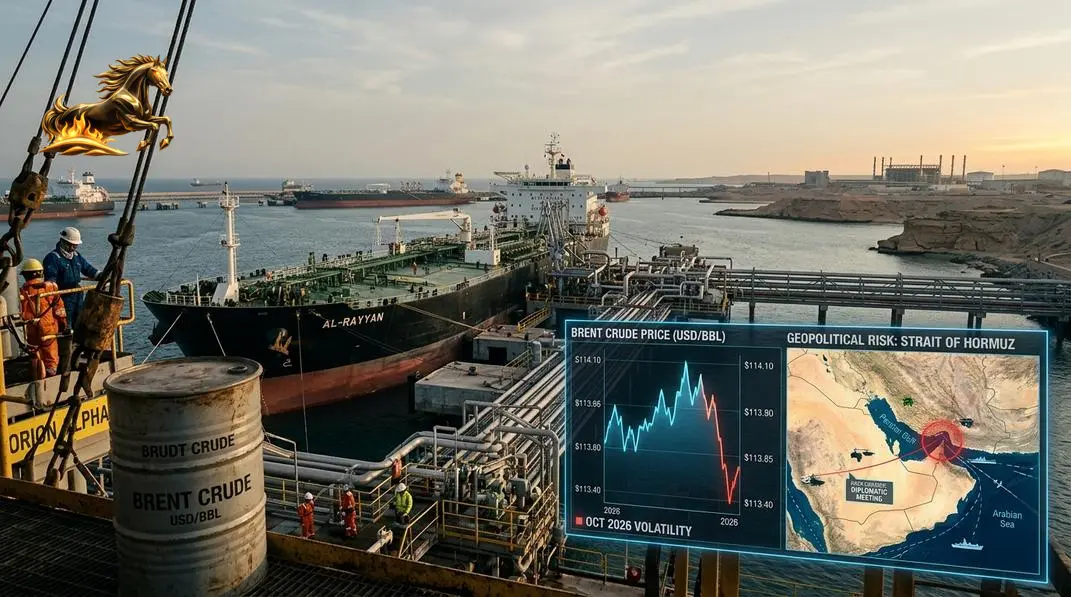
The global energy landscape stands at a pivotal moment. Brent crude prices have surged to $113–$114 per barrel, hitting multi-month highs and sparking volatility unseen in nearly four years. This price jump isn’t just another market blip—it’s driven by escalating Middle East tensions, especially reports of potential U.S. and Israeli military strikes on Iran. The looming threat to the Strait of Hormuz, the world’s crucial oil transit route, has sent shockwaves across energy markets worldwide.
To truly grasp the reasons behind this Brent crude price surge, you need to look beyond the numbers. Geopolitical risks, fragile supply chains, evolving demand, and the ongoing energy transition all intersect to shape Brent oil dynamics in 2026. This article dives into the forces behind the current price trends, the deeper challenges facing oil markets, and what market players can expect ahead.
Understanding Brent Crude: More Than Just a Price Tag
Brent crude oil isn’t simply a commodity; it’s the global pricing benchmark for nearly two-thirds of the world’s oil trade. Extracted from the North Sea, its light, sweet nature makes it ideal for refining into gasoline and diesel. Brent prices influence everything from pump prices to the budgets of oil-exporting nations.
Historically, Brent prices have mirrored major economic and geopolitical events—from the 2008 financial crisis and Arab Spring to pandemic-driven market chaos. Recently, factors like the Ukraine war and accelerating energy transitions have intensified Brent’s sensitivity to geopolitical shocks. This trend is particularly evident in 2026, underlining Brent as a barometer of global stability and risk.
Key insight: Brent crude reflects not just supply and demand but also the wider geopolitical climate impacting global energy security.
The Anatomy of Today’s Price Surge: Why Brent Oil Is Elevated
Brent is now hovering around $113–$114 per barrel, a result of several converging factors:
1. The Middle East Geopolitical Flashpoint
At the heart of this price spike lies intensifying Middle East tensions.
- Iran and the Strait of Hormuz Risk: Potential U.S. and Israeli strikes on Iran have spurred fears of retaliatory actions targeting the Strait of Hormuz, which channels nearly 20% of global oil supply. Any threat here forces markets to price in significant supply disruption risk, driving Brent prices higher.
- Saudi Arabia’s Vulnerable Energy Infrastructure: Ongoing Houthi attacks on Saudi oil facilities add another layer of uncertainty. As the world’s top oil exporter, risks to Saudi infrastructure reverberate through the market.
- Diplomatic Moves Heighten Concerns: The cautious evacuation of some U.S. personnel from Saudi Arabia underscores the seriousness of the situation, reinforcing price pressures.
2. Tight Supply Meets Strong Demand
Beyond geopolitics, the physical market is tight.
- U.S. Inventory Drawdowns: A 3.06 million barrel reduction in U.S. commercial crude stocks signals robust demand against limited supply, supporting elevated prices.
3. Structural Market Constraints: OPEC+ and Spare Capacity Limits
OPEC+ maintains disciplined production, but global spare capacity is now limited and heavily concentrated in geopolitically sensitive regions. This fragility exacerbates market reactions to any disruption risk.
Bottom line: Today’s Brent oil prices reflect both acute geopolitical threats and fundamental supply-demand tightness, intensified by minimal spare capacity.
Structural Forces Shaping Brent Oil Beyond 2026
While headlines drive short-term price swings, deeper structural changes are transforming the oil market’s future:
The Great Energy Transition’s Impact on Demand
- Policy Shifts: Governments worldwide are tightening climate regulations, promoting renewables, and introducing carbon pricing mechanisms to reduce fossil fuel dependency.
- A Peak and Decline in Oil Demand: The International Energy Agency projects global oil demand will peak this decade, leading to plateauing or even declining consumption, challenging traditional oil producers.
- Capital Flows Favor Clean Energy: Investment increasingly shifts from oil projects to renewables and clean technologies, restricting future oil supply growth and contributing to short-term market tightness.
Technological Advances and Supply Challenges
- Enhanced Efficiency: Digital oil field tech and advanced recovery methods boost operational efficiency, helping producers weather volatility.
- Limited Supply Flexibility: While U.S. shale can respond relatively quickly, capital discipline and supply chain bottlenecks restrict rapid production increases.
- Clean Energy Innovation: Growing investments in green technologies point to a long-term shift in energy competitiveness.
Fragile Supply Chains: A New Normal
- Logistical Bottlenecks: From port congestion to driver shortages, transporting oil faces rising complexity and costs.
- Inventory Policies: Moving away from just-in-time strategies toward larger strategic stockpiles tightens physical markets.
Key takeaway: Brent’s volatility reflects profound shifts in demand dynamics, supply responsiveness, and logistics resilience—not just short-term crises.
Looking Ahead: What to Expect for Brent Oil
Short Term (2026–2027): Sustained Volatility and Elevated Prices
- Geopolitical Risks Persist: Without significant easing in Middle East tensions, Brent will likely maintain high levels with episodic spikes.
- Economic Downside Risks: A global recession remains the greatest threat to prices, likely reducing demand and dampening the current premium.
Medium to Long Term (2028–2030): Transition and Market Evolution
- Demand Peaks and Declines: Oil demand is anticipated to peak near 2030, prompting market adjustments toward contraction.
- OPEC’s Evolving Role: The cartel may shift focus from expanding supply to managing controlled reductions, aiming to stabilize prices amid shrinking markets.
- Continued Volatility: Limited investment and spare capacity could increase price fluctuations despite declining demand.
Strategic Recommendations
For Investors and Traders:
- Embrace Volatility Strategies: Use options and managed futures to capitalize on price swings.
- Diversify Portfolios: Balance holdings between disciplined conventional producers and cutting-edge renewable energy firms.
- Monitor Market Signals: Keep a close eye on shale activity, inventory trends, and EV penetration for market insights.
For Policymakers:
- Enhance Energy Security: Promote supply diversification and infrastructure resilience alongside clean energy transitions.
- Support Just Transitions: Design policies that address economic and social equity amid energy transformation.
For Industry Stakeholders:
- Maintain Capital Discipline: Prioritize cash flow and risk mitigation over aggressive volume expansion.
- Invest in Carbon Reduction: Adopt methane leak detection, flaring reduction, and carbon capture technologies to meet regulations and societal expectations.
- Leverage Digital Tools: Improve supply chain agility and risk management through advanced technologies.
Conclusion: Brent Oil at a Crucial Crossroads
Brent crude’s current price near $113 per barrel captures a world grappling with intense geopolitical risks alongside profound energy transition forces. In this new era, market volatility is the norm, and traditional supply-demand models no longer tell the full story. Brent oil remains a crucial barometer of not just energy markets, but global economic and geopolitical stability.
Successfully navigating 2026’s Brent landscape requires a nuanced understanding of immediate risks and long-term shifts. Stakeholders must balance reactive crisis management with strategic investments in the evolving energy future. Brent crude today is a powerful real-time indicator of a transformative global economic narrative—one demanding clarity, agility, and foresight.
FAQ
- 1. Why are Brent oil prices so high in 2026?
- Prices have surged due to Middle East geopolitical tensions threatening the Strait of Hormuz, combined with tight supply, inventory draws, and limited spare capacity.
- 2. What’s the difference between Brent and WTI crude oil?
- Brent is the global benchmark sourced from the North Sea, reflecting international market factors. WTI (West Texas Intermediate) is a U.S.-focused benchmark influenced mainly by domestic supply and logistics.
- 3. Will oil prices drop again?
- Yes, but timing depends on geopolitical developments and economic conditions. De-escalations or recessions could push prices down, though structural factors support a higher long-term price floor.
- 4. How does the energy transition affect Brent prices?
- The transition limits long-term demand growth and curbs new supply investments, tightening near-term markets and supporting relatively high prices.
- 5. How can businesses and consumers protect against oil price volatility?
- Consumers should enhance energy efficiency and adopt alternatives. Investors should diversify across traditional and renewable energy sectors to manage risks effectively.
