
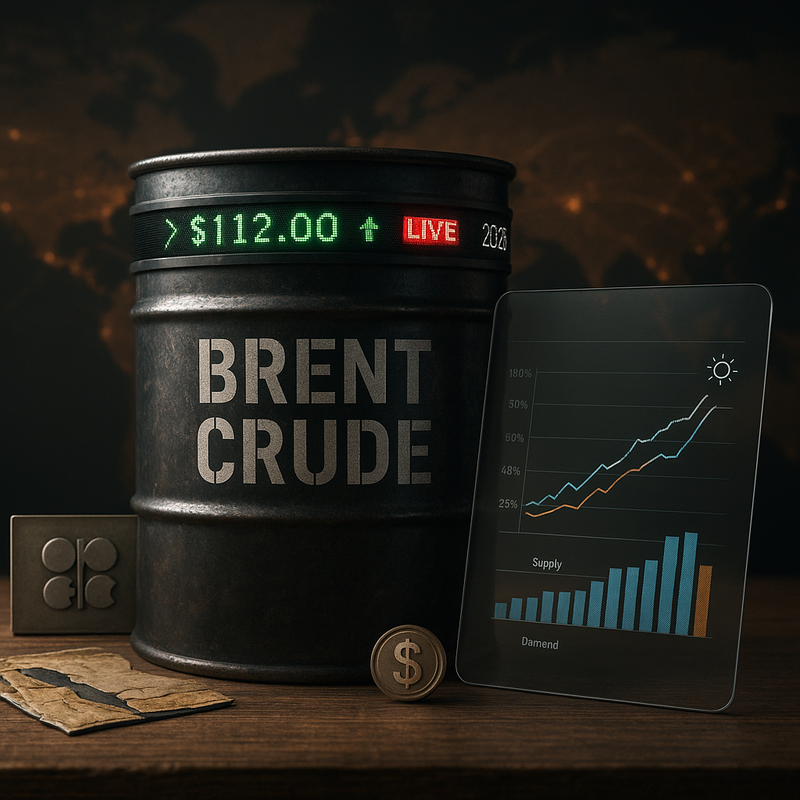
Brent Crude Oil Share Price Live: Unpacking the Key Drivers in Today’s Market
Introduction
Brent crude oil remains a cornerstone benchmark in the global oil industry, steering pricing and market behavior worldwide. Its price influences not only energy corporations but also sectors like transportation, manufacturing, and consumer goods—ultimately impacting inflation and economic stability. In 2026, as geopolitical tensions, technological breakthroughs, and environmental regulations interact, Brent crude oil price fluctuations continue to command keen attention.
This post delivers a comprehensive look at Brent crude oil, breaking down the main factors affecting its price, providing a snapshot of the current market landscape, and offering valuable insights for investors and enthusiasts eager to understand the complexities of today’s oil market.
What Is Brent Crude Oil?
Brent crude oil is a prominent oil grade produced mainly in the North Sea. Known for its blend of light, sweet crude with low density and sulfur content, Brent is prized for refining into high-quality fuels such as gasoline and diesel.
Why Brent Crude Oil Matters Globally
Brent crude acts as the global pricing benchmark for over two-thirds of crude oil imports. Here’s why it matters:
- Benchmark Pricing: Brent prices set the stage for global oil contracts, often influencing other benchmarks like West Texas Intermediate (WTI). Many oil sales are pegged to Brent as a reference.
- Economic Barometer: Price swings in Brent frequently reflect broader economic trends, responding to shifts in supply-demand balance, geopolitical events, and policy shifts.
Grasping Brent crude is essential for traders, policymakers, and businesses that rely on stable energy costs.
Brent Crude Oil Market Overview (2026)
Live Share Price Update
As of March 27, 2026, Brent crude oil is trading around $112.57 per barrel, up 4.22% from the previous day. Over the past month, prices have surged nearly 44.80%, underscoring the oil market’s ongoing volatility and responsiveness.1
Recent Price Dynamics
Brent crude experiences frequent price volatility driven by a mix of short-term events and long-term trends:
- Intraday Fluctuations: Traders react swiftly to news such as geopolitical developments or supply disruptions.
- Sustained Patterns: Over time, fundamental changes like rising global energy demand or constraints in oil-producing regions shape market direction.
Recognizing these patterns helps anticipate Brent crude oil price movements more effectively.
What Influences Brent Crude Oil Prices?
Brent crude pricing results from a complex blend of factors:
1. Supply and Demand Fundamentals
At the core of price shifts lie supply and demand forces:
- Supply Factors:
- OPEC Output Decisions: The Organization of the Petroleum Exporting Countries regulates production to influence pricing.
- Advancements in Extraction: Innovations such as hydraulic fracturing expand supply capabilities.
- Demand Factors:
- Economic Expansion: Industrial growth and increasing consumer energy needs push up demand.
- Alternative Energy Adoption: The rise of renewables and electric vehicles can soften or reduce oil demand over time.
2. Geopolitical Risks
- Middle East Conflicts: Unrest or conflict disruptions can tighten supply, driving prices higher.
- Sanctions and Trade Restrictions: Policies limiting oil exports, such as sanctions on Russia, reduce global supply and impact Brent prices.
3. Currency Exchange Rates
Since Brent crude oil is priced in U.S. dollars, currency fluctuations significantly impact global purchasing power:
- A weaker U.S. dollar makes Brent oil cheaper for holders of other currencies, often increasing demand and prices.
- Conversely, a stronger dollar reduces purchasing power, potentially lowering Brent crude oil prices.
4. Natural and Climate Factors
- Disasters like hurricanes or earthquakes can disrupt production and distribution temporarily.
- Climate regulations impact long-term investment and extraction activities, influencing supply curves.
How to Track Brent Crude Oil Share Prices Live
Keeping tabs on live Brent crude oil share price movements is key for savvy investors.
Trusted Resources
- Financial News Websites: Platforms such as Yahoo Finance, MarketWatch, and Bloomberg deliver real-time price updates and expert analysis.
- Commodity Trading Portals: Websites like Investing.com provide detailed charts and historical data insights.
- Mobile Apps: Apps such as “Oil Price Live” offer instant, on-the-go access to market data and alerts.
Market Indicators to Watch
Beyond price quotes, tracking related indicators boosts market insight:
- Oil Inventories: Trends in stockpile levels point to supply-demand health.
- Refinery Utilization: The degree of refinery activity influences crude oil consumption demand.
Investing in Brent Crude Oil: Options and Risks
Investors can explore multiple paths to gain exposure to Brent crude oil, each with unique considerations.
1. Futures Contracts
Trading Brent futures on exchanges like ICE enables direct market participation but demands expertise to manage leverage and expiration risks.
2. ETFs and Mutual Funds
Exchange-Traded Funds (ETFs) like USO or BNO offer straightforward exposure to oil price trends, combining liquidity with ease of trade compared to futures.
3. Oil Company Equity
Investing in oil majors such as BP, Royal Dutch Shell, or ExxonMobil offers indirect oil price exposure through company profitability driven by higher Brent prices.
Understanding Key Risks
- Price Volatility: Brent crude prices can swing quickly due to unexpected events.
- Policy Shifts: Tightening environmental regulations might limit future exploration.
- Global Economic Trends: Demand softens during recessions, pressuring prices.
Balancing these risks against opportunities is vital for success in oil market investments.
Conclusion
Brent crude oil share prices remain a pivotal influence on the global economy, shaped by a dynamic mix of supply-demand shifts, geopolitical developments, currency movements, and environmental factors in 2026. Staying informed and adaptable is essential for investors and market observers alike.
Key Takeaways
- Regularly track Brent crude oil live share price updates through trusted channels.
- Understand how forces like OPEC decisions, technology, and geopolitical risks drive price changes.
- Diversify investment methods and stay conscious of the inherent oil market volatility.
Next Steps for Deeper Insight
- Follow daily updates on MarketWatch and related financial portals.
- Read expert books on oil economics.
- Join webinars focusing on oil market trends and investment strategies.
With informed vigilance, anyone can confidently engage with Brent crude oil markets and seize strategic opportunities.
