
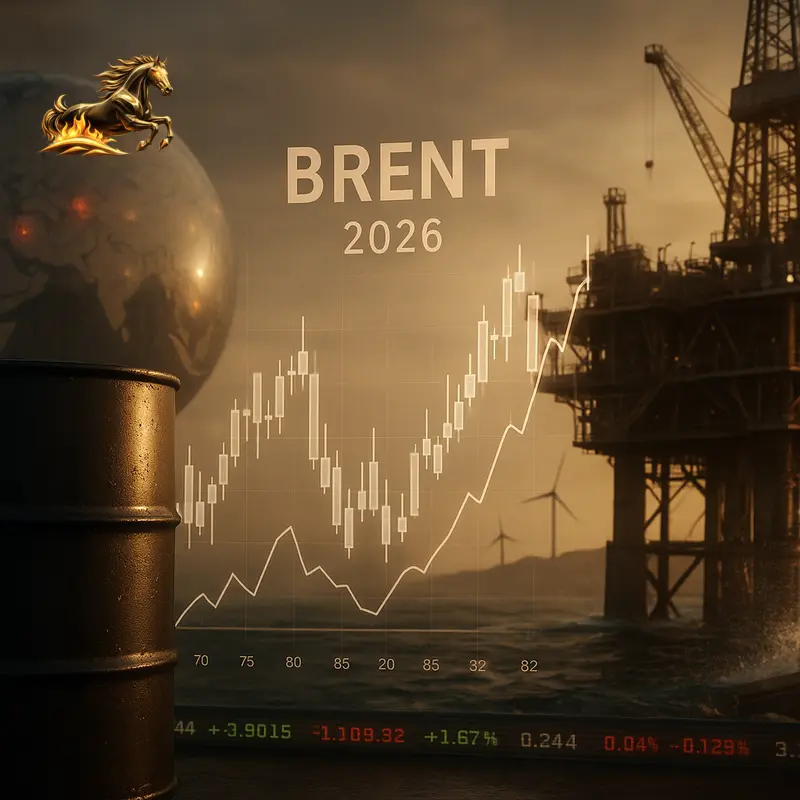
Brent Fuel Price in 2026: Navigating Volatility, Geopolitics, and the Energy Transition
The Brent crude oil price in 2026 is much more than a simple market figure—it’s a key driver influencing the global economy and everyday life. From shaping transportation costs to informing international policy decisions, the fluctuations in Brent crude are closely watched worldwide. With Brent crude trading above $100 per barrel amid heightened volatility, this reflects a complex mix of geopolitical tensions, strategic supply controls, and the ongoing global shift toward cleaner energy. For consumers, businesses, and policymakers, understanding these dynamics is crucial to navigating today’s unpredictable energy landscape.
What Makes Brent Crude the Global Oil Benchmark?
Brent crude, a light, sweet crude oil from the North Sea, is prized for its low sulfur content and excellent refining qualities that produce vital fuels like diesel and kerosene. Its consistent quality and liquidity have established Brent as the global benchmark for oil pricing.
Brent’s benchmark status means it sets the benchmark price used in contracts across Africa, the Middle East, and beyond, primarily traded on the Intercontinental Exchange (ICE). As a result, Brent price shifts ripple through markets worldwide, affecting the cost of gasoline, jet fuel, and heating oil everywhere.
In 2026, Brent’s influence remains paramount—market volatility reacts keenly to supply changes and geopolitical events, reflecting the economic heartbeat of a world negotiating supply risks and energy transformation.
Key insight: Recognizing the role of Brent crude helps explain why its price swings have global repercussions—from refineries all the way to your local fuel station.
Brent in 2026: A Market Poised on Edge
By mid-2026, Brent crude prices have been notably volatile but persistently high. Following a lull, Brent consistently hovers above $90 per barrel and often surpasses $100 during geopolitical flare-ups—levels unseen since late 2023.
This volatility is fueled primarily by supply concerns rather than demand growth. Ongoing geopolitical unrest, especially in strategic shipping lanes and conflict zones, injects uncertainty, prompting sharp price reactions to news events. Disruptions around the Strait of Hormuz trigger some of the most significant price spikes, emphasizing Brent’s sensitivity to geopolitical risk perceptions.
Takeaway: Today’s Brent market is defined by uncertainty and risk premiums, with prices mirroring the market’s high sensitivity toward supply threats and geopolitical developments.
What’s Driving Brent Price Volatility in 2026?
Several intertwined factors push Brent prices upward while amplifying volatility:
1. Geopolitical Risk and Elevated Risk Premiums
- Middle East Tensions: Attacks targeting Iranian energy infrastructure and the threat of retaliations have raised global caution, lifting risk premiums and adding several dollars per barrel to Brent.
- Strait of Hormuz Bottleneck: Iran’s effective closure blocks about 20% of global oil flow, causing one of the largest supply shocks recognized by the International Energy Agency.
- Ukraine Conflict: Targeted strikes on Russian refineries limit fuel supplies in the region, tightening global markets and heightening uncertainty about spare capacity.
2. OPEC+ Strategic Supply Management
- Production Cuts: Saudi Arabia and Russia lead the alliance in maintaining production cuts, keeping global inventories lean and sustaining baseline high prices.
- Strict Quota Compliance: Enforced discipline ensures supply remains below demand, strengthening upward pressure on prices.
3. Additional Supply Constraints and Policy Moves
- Mexico’s Export Shift: Pemex’s reallocation of crude toward domestic refining cuts Atlantic Basin export volumes tied to Brent pricing.
- Strategic Reserve Drawdowns: Emergency tapping of reserves by major consumers temporarily eases volatility but depletes crucial buffers.
Summary: Brent’s 2026 pricing reflects a delicate mix of geopolitical tensions, deliberate supply tightness from OPEC+, and disruptive policy decisions, resulting in a fragile market highly sensitive to shocks.
From Brent Price to Pump Price: Impacts on Fuel Costs
Though Brent’s price may seem distant, its effect on fuel prices is very direct:
- Refining Margins: Crude priced at Brent is refined into various fuels; refining complexity and demand affect costs.
- Distribution & Marketing: Transport costs and retail networks add to the price.
- Taxes: Fuel taxes—varying widely by country—often form the largest share of the final price.
- Retail Margins: Gas stations add their markup, influenced by location and competition.
In 2026, Brent’s price swings cause immediate shifts in gasoline and diesel costs. Roughly, every $10 change per barrel correlates with a 25–40 cent per gallon shift at the pump—impacting budgets for both consumers and businesses alike.
Bottom line: Brent price volatility quickly cascades through refining, logistics, taxation, and retail layers, influencing what you pay at the gas station.
Looking Ahead: Possible Brent Price Scenarios
Brent’s future price will largely hinge on geopolitical developments and OPEC+ decisions:
- Base Case (Reduced Tensions): Diplomatic breakthroughs around Iran and the Strait of Hormuz could ease risk premiums, stabilizing Brent between $85–$95 per barrel, still supported by OPEC+ production discipline.
- Prolonged Tension Scenario: Continued conflicts may push Brent prices toward $120 per barrel, reflecting sustained risk premiums and tight supply.
- Severe Escalation Scenario: A major conflict disrupting Gulf production could spike Brent as high as $150 per barrel, potentially triggering broad economic shocks reminiscent of the 1970s petroleum crises.
Key takeaway: Uncertainty dominates, requiring flexible risk management strategies for all market players.
The Energy Transition: Limiting Oil Demand Growth Long Term
Despite near-term price turbulence, global trends steadily curb long-term oil demand:
- Policy Focus: Stricter emissions targets, rising electric vehicle adoption, and investments in carbon-neutral infrastructure.
- Technological Progress: Advances in battery tech and energy efficiency reduce dependence on fossil fuels in transport and industry.
- Investment Shifts: Capital increasingly flows to renewable energy projects, while traditional oil investments face underfunding.
While these factors don’t stop short-term price spikes, they act as a headwind on long-term Brent price increases by restraining demand growth.
Insight: The energy transition presents a moderating influence on oil markets, capping how high Brent prices can sustainably climb over time.
Global Effects: Winners, Losers & Strategic Responses
For Oil-Importing Nations:
- Rising fuel prices intensify inflation, pressuring consumers and monetary policies.
- Larger trade deficits strain currencies and public finances.
- Increased focus on energy security drives investments in reserves, supply diversification, and clean energy.
For Oil Exporters:
- Higher oil prices improve fiscal health and boost sovereign wealth funds.
- Revenues fund efforts to diversify economies beyond oil.
- Budgets stabilize when prices exceed certain thresholds but remain exposed to volatility.
Summary: The 2026 Brent price surge financially benefits producers, while urging importers to carefully manage economic and energy security challenges.
How to Adapt: Strategies for a Volatile Brent Market
In this environment:
- Businesses & Traders increase hedging and optimize logistics to mitigate risk.
- Consumers & Companies accelerate energy efficiency and electric vehicle adoption.
- Policymakers balance short-term relief measures with long-term climate goals, including subsidies and tax reforms.
Adaptation is key for resilience in a shifting oil price landscape.
Essential Takeaways for 2026 Brent Fuel Prices
- Geopolitics Is Central: Middle East instability and conflicts chiefly drive short-term Brent volatility.
- OPEC+ Sustains Higher Prices: Supply discipline supports prices above $80 per barrel.
- Volatility Remains High: Rapid price fluctuations require proactive risk planning.
- Energy Transition Limits Demand: Renewable energy and EVs steadily suppress future oil demand growth.
- Energy Security Matters: Importers prioritize diverse supply chains and reserves alongside decarbonization.
Conclusion: The Energy Crossroads of 2026
Brent crude prices in 2026 represent a world balancing volatile, constrained oil markets today with an accelerating energy transition tomorrow. Short-term price spikes reflect geopolitical risks and producer strategies, while the long-term trend favors reduced fossil fuel reliance.
Successfully navigating this landscape demands insight, adaptability, and strategic vision. Brent prices not only reveal current challenges—they also serve as catalysts for the shift toward sustainable energy futures.
FAQ: Brent Crude Oil Prices in 2026
A: Its high quality, liquidity, and established trading mechanisms make Brent the primary reference point for international oil contracts and pricing.
A: Typically, a $10 increase in Brent results in a 25–40 cent per gallon rise at the pump, though final prices also depend on refining, distribution, and taxes.
A: It’s the extra cost included in oil prices to hedge against potential supply disruptions from political instability.
A: By collectively limiting output, OPEC+ shrinks available supply, pushing prices higher when demand exceeds supply.
A: Yes, sustained higher prices encourage investment in alternatives, boosting renewables and electric vehicles, and reducing long-term oil demand.
