
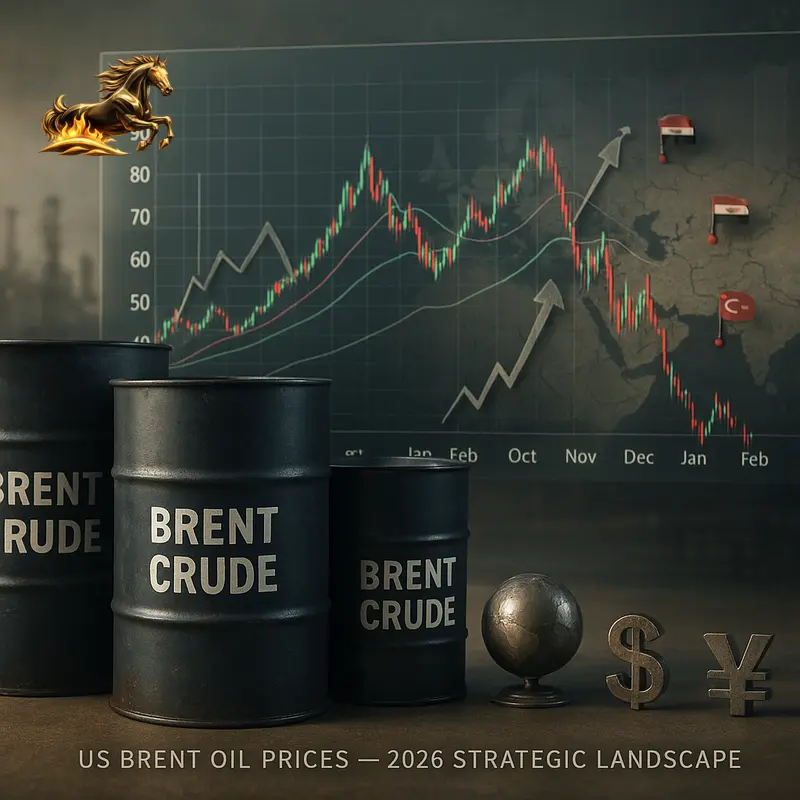
US Brent Oil Price in 2026: Your Strategic Guide to Trends, Risks, and Market Outlook
Navigating the oil market in 2026 is anything but straightforward. One day, geopolitical tensions send prices climbing; the next, hopeful diplomatic talks pull them down. Right now, Brent crude—the world’s premier oil benchmark—is hovering near the high $90s per barrel, a clear sign of ongoing volatility. For U.S. investors, companies, and policymakers, understanding the forces shaping Brent prices is crucial—not just theoretical but vital for risk management, budgeting, and economic resilience.
This strategic guide dives deep into what’s driving US Brent oil prices in 2026—from delicate U.S.-Iran relations to fundamental supply and demand. Whether you’re an energy trader, supply chain professional, or a consumer worried about gas prices, this analysis offers clarity and actionable insights for today’s turbulent market.
What Is Brent Crude Oil and Why Does It Matter to the US?
Brent crude oil, extracted from the North Sea, sets the global price reference for nearly two-thirds of all internationally traded crude oil, especially in Europe, Asia, and Africa. While West Texas Intermediate (WTI) is often called the U.S. benchmark, Brent remains the dominant global pricing standard.
So why should Americans care about a price set thousands of miles away?
- Global Market Integration: The U.S. is both a major oil producer and consumer. American firms sell crude and refined products worldwide, where pricing is tied to Brent. Rising Brent prices generally boost export revenues and benefit U.S. producers.
- Geopolitical Risk Indicator: Brent prices are highly sensitive to conflicts, particularly those threatening critical supply routes. As a global benchmark, Brent reflects geopolitical risks influencing U.S. energy security and foreign policy.
- Brent-WTI Price Spread: The gap between Brent and WTI prices signals global market conditions. A wider spread means stronger international demand or tighter supply compared to the relatively abundant U.S. market, impacting export volumes and refinery decisions.
In short, Brent is America’s link to the global oil economy. Grasping Brent prices is key to understanding the broader U.S. energy picture.
Recent Trends and Price Volatility in Mid-2026
Brent crude prices have ridden a rollercoaster this year. After a period of calm, volatile swings surged back, sparked by geopolitical developments, inventory reports, and economic data.
By June 2026, Brent futures jumped to about $98.46 per barrel—a notable 2.5% daily gain. Yet, this strength comes amid a broader correction: prices remain roughly 50% above last year but have dipped about 14% in the last month. With daily trading bouncing between $96 and $99 per barrel, market uncertainty is front and center.
These fluctuations reflect conflicting forces—geopolitical fears pushing prices up versus concerns about global growth and potential supply boosts. Keeping a close eye on these rapid changes is essential for players in U.S. energy markets.
Key Drivers of US Brent Oil Prices in 2026
1. Geopolitical Tensions and the Risk Premium
Geopolitical risk, especially in the Middle East, remains the biggest short-term price influencer. The tense U.S.-Iran relationship adds a “risk premium” that traders demand to hedge potential disruptions.
- The Strait of Hormuz: Channeling about 20% of global oil shipments, any threat here sparks sharp market reactions. Uncertainty surrounding a U.S.-Iran agreement keeps risk premiums elevated.
- Military Escalations: Recent missile exchanges raise fears of attacks on oil infrastructure and tankers.
- Proxy Conflicts and Rhetoric: Statements from proxies like Hezbollah often fuel sudden price spikes during trading sessions.
2. Supply and Demand Fundamentals
Traditional market forces also keep supply tight and demand robust.
- Inventory Drawdowns: U.S. crude stocks are steadily declining, signaling strong consumption outpacing supply.
- OPEC+ Production Discipline: The oil alliance maintains production limits, preventing oversupply despite capacity setbacks in some member countries.
- Robust Global Demand: Especially in Asia, strong demand for jet fuel and diesel supports Brent prices.
3. U.S. Energy Sector Dynamics and Brent-WTI Spread
U.S. oil output remains near all-time highs but grows cautiously due to shale producers’ financial discipline. This balance helps stabilize the global market.
The Brent-WTI spread holds around $3 per barrel, making U.S. crude competitive internationally and supporting Gulf Coast exports. These exports lower domestic inventories and help lift benchmark prices worldwide.
4. Macroeconomic Factors and the U.S. Dollar
Since oil prices trade in U.S. dollars, currency strength plays a major role.
- Stronger Dollar Effects: Higher U.S. interest rates boost the dollar, making oil costlier for buyers using other currencies and potentially trimming demand.
- Global Growth Concerns: Fears of recession limit demand upside, capping price increases despite supply risks.
5. The Energy Transition’s Impact
Longer-term policy and capital flows increasingly influence the oil market.
- Investment Constraints: Environmental rules and investor pressure limit spending on big new oil projects.
- Policy Uncertainty: Debates over carbon pricing, drilling permits, and renewable incentives add complexity to industry planning.
How Brent Prices Affect the US Economy and Consumers
Brent crude prices ripple throughout the U.S. economy, shaping everyday life:
- Gasoline Prices: Higher Brent translates into pricier fuel at the pump, straining household budgets.
- Inflation: Fuel cost hikes increase transportation expenses, driving up prices for goods and services.
- Business Costs: Airlines, trucking, manufacturing, and agriculture face higher input costs, squeezing margins or passing costs to consumers.
- Investment Patterns: Elevated Brent benefits oil producers but also boosts investments in energy efficiency and renewables.
- Market Risks and Opportunities: Volatility creates challenges and chances in energy trading, requiring smart risk management.
Market Outlook and Price Forecast for 2026 and Beyond
Looking ahead, Brent prices are poised to stay elevated and fluctuating. Forecasts suggest Brent averaging around $92 per barrel over the next quarter, with upside potential exceeding $100 within a year.
Upside scenarios include:
- Escalation of Middle East conflicts disrupting supply.
- Stronger global economic growth boosting oil demand.
- Continued inventory drawdowns without matching supply increases.
Downside risks include:
- Diplomatic breakthroughs easing Middle East tensions.
- Severe global recession slashing consumption.
- Strategic petroleum reserve releases flooding the market.
Most likely, prices will hover in the $90–$100 range, forcing businesses to plan for expensive energy costs.
Strategic Recommendations for Navigating the Brent Market
In a market this uncertain, proactive strategies are key.
For Business Leaders:
- Hedge fuel costs to stabilize budgets.
- Invest in energy efficiency and diversify energy sources.
- Build resilient supply chains to manage transportation cost shocks.
For Investors and Traders:
- Align positions with fundamental market drivers.
- Monitor Brent-WTI spreads and futures curves closely.
- Prepare for volatility with sound risk controls.
For Policymakers:
- Prioritize supply reliability and infrastructure security.
- Support balanced energy transitions balancing security and sustainability.
- Avoid reactive interventions that could destabilize markets.
Conclusion: Confidently Navigating Energy Market Complexity in 2026
US Brent oil prices in 2026 reflect a delicate balance of geopolitical tensions, tight physical markets, and accelerating energy transition. Understanding these dynamics turns uncertainty into an opportunity. By anticipating risks—from U.S.-Iran relations to macroeconomic shifts—you can craft well-informed strategies and confidently navigate this volatile market landscape.
Frequently Asked Questions
Because the U.S. is deeply connected to global oil markets, Brent pricing influences the value of U.S. crude exports and sets benchmarks for fuels imported domestically, directly impacting American energy economics.
An extra cost built into oil prices reflecting fears of supply disruptions due to conflicts, mainly in the Middle East. When tensions rise, the premium pushes prices higher; it eases as risks subside.
Higher rates strengthen the dollar, making oil more expensive for buyers using other currencies, which can reduce demand and lower prices.
Not anytime soon. Despite alternative energy growth, oil demand remains high globally in 2026, keeping Brent central to energy pricing for the foreseeable future.
Adopt efficient travel habits like trip consolidation, use public transit, maintain vehicles well, or consider fuel-efficient and alternative-fuel vehicles for long-term savings.
This guide equips you with a clear, strategic understanding of the 2026 Brent oil price outlook—helping you turn complexity into confident decisions.
