
WTI in 2026: Navigating Geopolitical Risk, Supply Shocks, and a Changing Demand Landscape
The price of West Texas Intermediate (WTI) crude oil in 2026 tells a story far beyond simple supply and demand — it captures a complex dance of geopolitical tensions, strategic negotiations, and shifting energy consumption patterns. Recent volatility, with sharp drops followed by quick rebounds, highlights how WTI has become a real-time indicator of global instability and economic adaptation.
This article dives into the key forces shaping WTI in 2026 — from the critical closure of the Strait of Hormuz to unexpected demand revisions — offering essential insights for traders, investors, and industry leaders grappling with an uncertain energy future.
The Current State of WTI: A Market in Tug-of-War
WTI prices recently have swung dramatically, reflecting opposing forces at play. Within a week, prices plunged over 10%, dipping below $93 a barrel amid signs that U.S.-Iran talks might reopen the Strait of Hormuz — a vital oil shipping route. Yet, renewed military actions near the strait undercut optimism, driving prices back up to hover around $94.
This back-and-forth mirrors the market’s dilemma: hopes for diplomacy pressure prices downward, while ongoing conflict risks lift them back up. With the Strait of Hormuz still closed, WTI holds a low-$90 price floor, and every geopolitical headline triggers rapid market moves. Recognizing this push-and-pull dynamic is key to understanding WTI’s high volatility.
Key insight: In 2026, WTI prices are deeply shaped by geopolitical events tied to the Strait of Hormuz, resulting in swift, unpredictable fluctuations.
The Main Driver: Strait of Hormuz Closure and Negotiation Dynamics
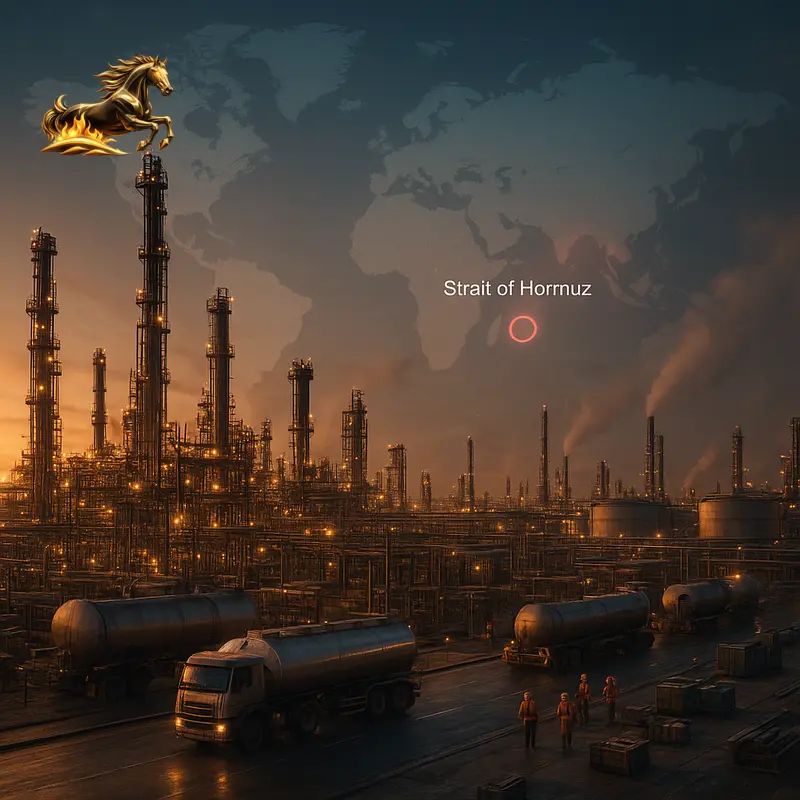
The Strait of Hormuz’s strategic value can’t be overstated. This vital passage handles a large portion of global crude exports. Its closure artificially tightens supply, forcing markets to reassess risks and adjust pricing sharply.
Each update on diplomatic talks or military incidents near the strait sparks immediate market reactions. Even hints of negotiations cause price adjustments, while reports of hostilities inflate geopolitical risk premiums. In this environment, traditional supply-demand models take a backseat to headline-driven volatility, leaving the market highly sensitive and reactive.
This unprecedented situation, where physical supply constraints trump inventory signals, makes WTI a crucial barometer for global political risk.
Key insight: The closure status of the Strait of Hormuz overwhelmingly governs WTI pricing in 2026, overshadowing traditional market fundamentals.
A Surprising Twist: EIA’s Bearish Demand Forecast
While supply concerns dominate headlines, a quieter but vital shift is underway on the demand side. The U.S. Energy Information Administration (EIA) recently slashed its global oil demand growth forecast for 2026 to just 200,000 barrels per day — a steep drop from earlier projections near 1.2 million barrels per day.
This cutback mainly stems from demand contraction in Asian markets, where high prices and supply uncertainties push conservation and reduced refined product exports. This softer demand cushions the price surge caused by tight supply, providing an important counterbalance.
However, the EIA cautions that if the Strait of Hormuz remains closed longer, crude prices could still eclipse earlier peaks, underscoring the ongoing tug between supply shocks and slowing demand.
Key insight: Weaker demand growth, driven by energy conservation in Asia, tempers price rises but doesn’t remove the threat of sharp spikes from supply disruptions.
Putting WTI in the Bigger Picture: The 2026 Energy Landscape
To grasp WTI’s trajectory, it’s essential to view it within broader production, policy, and energy transition trends:
- WTI as a Benchmark: Despite challenges, WTI remains the cornerstone North American crude benchmark, valued for its light, sweet quality and critical role in regional pricing.
- OPEC and U.S. Shale: OPEC’s production decisions still influence markets, but the Hormuz closure dominates pricing. U.S. shale producers, equipped with advanced tech, face capital uncertainty amid volatile prices but are vital as a flexible supply buffer.
- Energy Transition: Long-term decarbonization drives continue to shape investments and operations. Companies increasingly prioritize emissions reduction and sustainability, even as geopolitical crises unfold.
Key insight: WTI’s 2026 price reflects not only immediate supply shocks but also deep structural changes in production and environmental priorities.
Trading WTI in 2026: Adapting to Extreme Volatility
For traders and market participants, 2026 demands nimble strategies:
- Volatility Is the New Normal: Expect rapid price swings fueled by geopolitical news. Effective risk management and agility are crucial.
- Technical Analysis Matters: Support and resistance levels help decipher headline-driven price moves, guiding entry and exit points.
- Spread Insights: Monitoring Brent-WTI and calendar spreads offers clues on Middle East supply impact and potential resolution timing.
- Options Market Signals: Elevated premiums on out-of-the-money options signal heightened fears of sudden price moves, adding a tangible cost to risk.
Key insight: Trading WTI in 2026 means balancing sharp geopolitical insights with disciplined technical strategies and smart options use.
Geopolitical Outlook: Navigating Possible Scenarios
WTI’s near-term path rests on how the Hormuz situation evolves. Four main scenarios emerge:
- Quick Diplomatic Resolution: Reopening leads to price normalization and easing volatility.
- Prolonged Talks with Sporadic Clashes: Partial progress fuels lingering volatility and sustained price support.
- Escalation and Breakdown: Failed talks spark conflict, sending prices sharply higher despite weakening demand.
- Partial Reopening: Gradual flow restoration tempers volatility but maintains moderate premiums.
Currently, markets lean toward some form of resolution, but unpredictability remains high.
Key insight: Political developments in the Gulf will keep steering WTI pricing until a stable resolution materializes.
Strategic Advice for Investors and Industry Leaders
Thriving in the 2026 WTI market calls for tailored approaches:
- Short-term Traders: Embrace volatility, sharpen geopolitical analysis, and rely on technical signals for guidance.
- Long-term Investors: Distinguish cyclical geopolitical shocks from underlying demand trends; prioritize resilient energy firms and diversify across evolving sectors.
- Industry Stakeholders: Boost operational flexibility, control costs tightly, and actively engage in policy shaping energy security and environmental frameworks.
Key insight: A well-informed, multifaceted strategy is vital to succeed amid 2026’s uncertain WTI environment.
Looking Ahead: Balancing Crisis with Transition
Beyond immediate shocks, WTI’s future balances short-term turmoil with longer-term trends:
- Opportunities: Persistently high prices can finance investments in cleaner tech, boosting efficiency and sustainability.
- Challenges: Stakeholders must juggle acute geopolitical risks alongside gradual decarbonization and energy transition efforts.
Key insight: Success hinges on agility in managing volatility and commitment to sustainable innovation.
Conclusion: Navigating Complex Crossroads
In 2026, WTI prices reflect a complex crossroads of geopolitical risk, shifting demand, and accelerating energy transition. The Strait of Hormuz remains the dominant force shaping price swings, set against a backdrop of muted demand growth and environmental priorities.
For traders, investors, and industry leaders, winning in this landscape requires dual vigilance: close tracking of geopolitical developments and strategic adaptation to structural energy transformations. This balanced approach offers the clearest path through uncertainty, empowering market participants to face challenges and seize emerging opportunities with confidence.
FAQ: WTI Crude Oil in 2026
Q1: Why is the Strait of Hormuz so critical to WTI prices?
The Strait of Hormuz channels a significant share of global crude exports. Its closure shrinks supply, heightens risk, and drives prices higher. WTI prices directly reflect these supply constraints, making them highly sensitive to news about the strait.
Q2: Has recent turmoil permanently changed oil demand?
Geopolitical shocks have triggered short-term demand reductions, especially in Asia, due to high prices and uncertain supplies. The EIA’s forecast downgrade signals this slowdown, though some effects may be temporary. Higher prices generally slow consumption growth structurally.
Q3: How does this impact U.S. shale producers?
While elevated prices can benefit shale producers, extreme volatility complicates investment decisions and hedging. Shale remains vital as a flexible supplier but must navigate unpredictable geopolitical risks affecting prices.
Q4: What should traders prioritize in this market?
Traders should monitor geopolitical updates on the U.S.-Iran talks and Strait of Hormuz status, use technical analysis for clearer market entry and exit points, and watch options premiums to gauge risk sentiment.
Q5: Does the energy transition affect WTI pricing now?
Yes, the shift toward renewables influences investment and operational decisions, even if daily price swings are driven mainly by geopolitics. Emissions reduction efforts position companies for long-term resilience amid evolving energy systems.
