
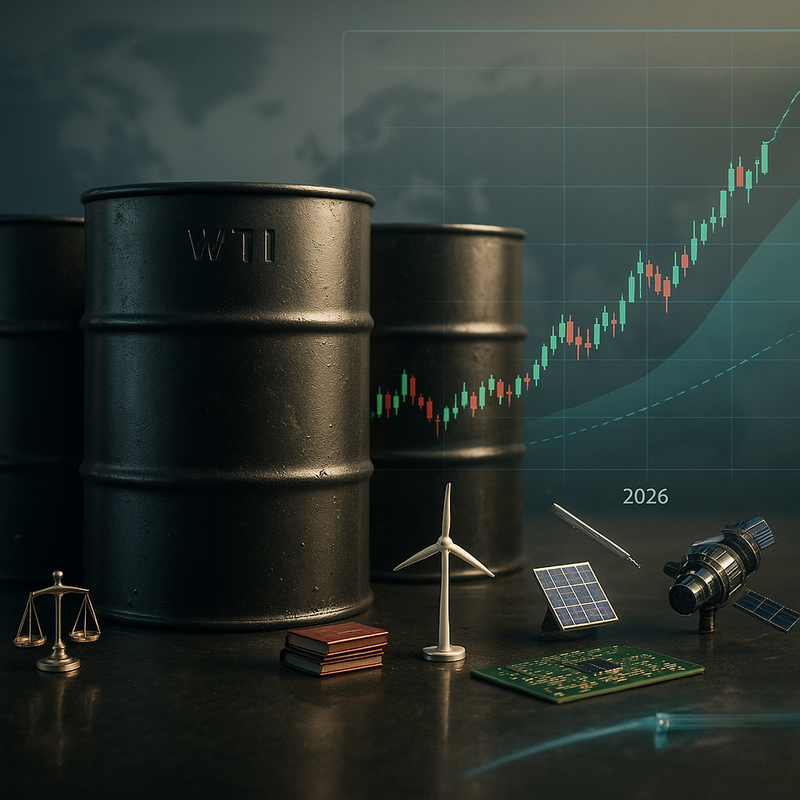
The Future of WTI Oil: Price Predictions, Trends, and Impacts in 2026
Introduction
As 2026 approaches, keeping a close eye on West Texas Intermediate (WTI) oil prices is crucial for investors, policymakers, and energy industry players alike. Oil remains a backbone of the global energy market, with price shifts sending ripples through economies and sectors worldwide. This article delves into current WTI price trends, key influencing factors, and expert forecasts to offer a clear picture of what lies ahead. Armed with this knowledge, decision-makers can confidently navigate the ever-changing oil landscape.
The Current Landscape of WTI Prices
Recent Price Trends
In April 2026, WTI crude oil trades around $96.57 per barrel, showing slight dips from recent peaks. Market volatility persists, with daily price swings ranging from about $95.51 to $100.42. These fluctuations highlight the ongoing sensitivity of oil markets to external shocks. Changes in supply-demand dynamics, geopolitical tensions, and investor sentiment all contribute to this volatility. Such market movement demands careful attention from anyone involved with oil investments or policy decisions (source).
Global Factors Affecting Prices
- Supply and Demand Dynamics: U.S. oil production has hit historic highs, boosting exports and global supply. However, demand remains unpredictable—shaped by recovery speeds in emerging markets and consumer behavior shifts worldwide.
- Geopolitical Tensions: Conflicts and diplomatic unrest, especially in major oil-producing regions, add uncertainty to supply chains. Rivalries among nations like the U.S. and Russia keep markets on edge, fueling price swings.
- OPEC+ Policies: Decisions from OPEC and allied producers wield strong influence. Recent agreements to stabilize or cut production directly impact WTI oil prices.
- Economic Indicators: GDP growth, inflation, and employment figures act as key demand signals. Strong economic performances typically support higher prices, while slowdowns can suppress them.
- Energy Transition Initiatives: Regulatory changes targeting carbon reduction and renewable energy uptake shape long-term oil demand—potentially dampening consumption and moderating prices.
In essence, current WTI prices reflect a complex blend of production levels, geopolitical risks, economic forces, and the accelerating energy transition.
Predictions for WTI Oil Prices in 2026
Expert Forecasts
Price forecasts for WTI oil in 2026 vary, depending on geopolitical developments and how quickly energy transitions advance:
- Optimistic Outlook: Some analysts predict prices surpassing $100 per barrel mid-year, fueled by strong demand recovery and ongoing geopolitical supply constraints.
- Conservative View: Others anticipate prices staying below $90 per barrel due to renewable energy growth and supply chain improvements reducing oil dependency.
Industry consensus points to an average around the mid-$90s per barrel by year-end, assuming stable markets and no major supply disruptions (source).
The bottom line: short-term price swings are expected, but medium-term direction depends largely on global politics, OPEC+ actions, and evolving energy policies.
Driving Factors for Future Price Movements
Technological Innovation
Breakthroughs in extraction methods, digital monitoring, and operational efficiency reduce costs and enhance supply flexibility. Energy companies embracing these technologies can influence supply levels and help stabilize prices when conditions allow.
Climate Change and Regulatory Measures
Stricter regulations to curb carbon emissions create a push-and-pull effect: limiting fossil fuel use while managing energy needs. Carbon pricing, emissions caps, and tougher environmental standards may reduce oil demand and weigh on prices over time.
Geopolitical Developments
Ongoing geopolitical instability keeps markets jittery. Since predicting shocks is challenging, these events remain key sources of price volatility, underscoring the importance of preparedness.
The Broader Impact of Oil Prices
Economic Implications
Oil prices significantly affect inflation and economic growth. Rising transportation and manufacturing costs trickle down to consumers, influencing overall inflation trends. Meanwhile, high prices spur investments upstream but also raise expenses for businesses and households.
Environmental Considerations
Balancing energy security with environmental goals shapes oil market dynamics. As nations commit more to green energy, traditional oil demand likely tapers, prompting shifts in production strategies and market positioning.
Conclusion
Looking ahead to 2026, WTI oil’s price outlook remains complex—driven by nuanced supply-demand patterns, geopolitical realities, and the global shift toward cleaner energy. While volatility presents challenges, understanding these core factors equips stakeholders to manage risks and seize opportunities effectively.
Key Takeaways
- WTI oil currently trades near $96.57 per barrel, influenced by supply, demand, and geopolitical factors.
- Expert price forecasts for 2026 cluster around the mid-$90s per barrel, contingent on market conditions.
- Technological advances, climate policies, and geopolitical tensions will play pivotal roles in price movements.
Next Steps
To thrive in this evolving environment, stakeholders should:
- Continuously monitor global economic indicators and geopolitical developments.
- Invest strategically in energy efficiency and renewable energy technologies.
- Diversify portfolios to mitigate risks from oil price fluctuations.
Taking an informed, proactive approach will be essential for managing the challenges and opportunities within the WTI oil market throughout 2026 and beyond.
