
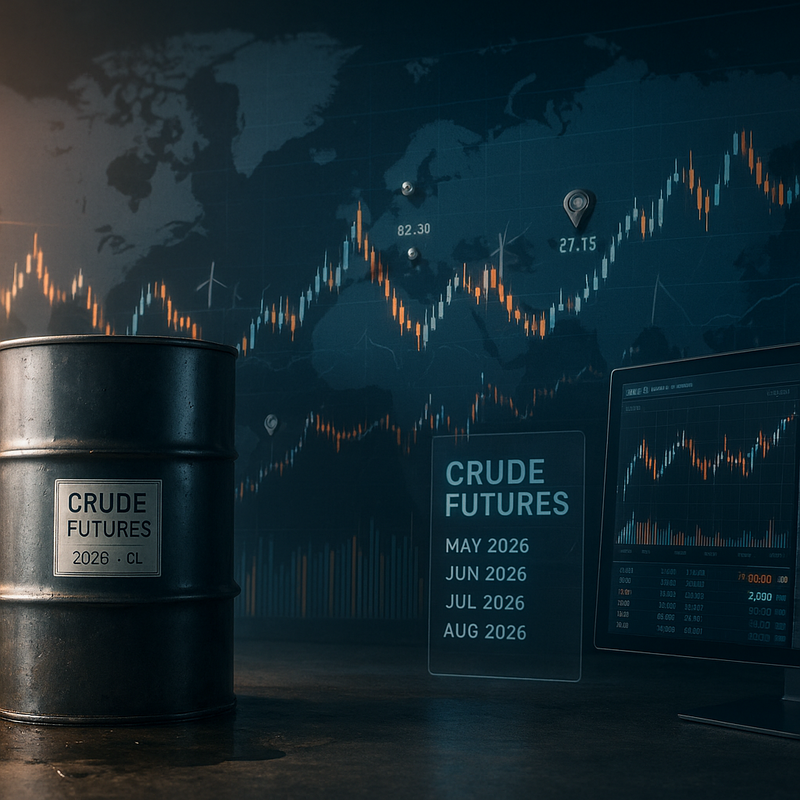
Crude Futures Live: Mastering the Oil Market Dynamics
Introduction: The Heartbeat of Oil Trading
Crude oil remains one of the most powerful commodities shaping the global economy. As we move deeper into 2026, understanding crude futures is more crucial than ever for traders, investors, and industry professionals. These contracts aren’t just financial instruments—they’re key indicators of geopolitical stability, economic trends, and the evolving energy landscape.
This post dives into crude futures, their market role, and the factors driving oil prices today. By unraveling the complexities of live crude futures trading, you’ll be equipped to navigate the fast-paced oil market throughout 2026 and beyond.
What Are Crude Futures?
Crude Futures Explained
Crude futures are legally binding contracts to buy or sell a specific amount of crude oil at a fixed price on a future date. Primarily traded on exchanges like the NYMEX, these contracts allow participants to hedge risks or speculate on price moves without handling physical oil.
Why Crude Futures Matter
More than risk management tools, crude futures drive price discovery and boost market liquidity. Since traders don’t always take physical delivery, producers, hedge funds, and financial institutions alike can manage exposure and influence price trends efficiently.
Crude Futures Market Snapshot in 2026
Current Prices and Trends
As of April 2026, West Texas Intermediate (WTI) crude futures hover around $112.61 per barrel, with daily swings between $108.95 and $115.37. These shifts reflect the tug-of-war among geopolitical tensions, OPEC+ production policies, and global supply-demand dynamics.
Geopolitics Driving Oil Prices
Geopolitical tensions remain a dominant force impacting crude prices. For example, Iran’s recent dismissal of a 45-day ceasefire sparked immediate market reactions. Such events underscore how political instability in key oil regions heightens price volatility.
The Economy’s Role
Economic indicators like GDP growth, employment data, and inflation rates directly shape oil demand forecasts. While expanding economies tend to boost crude consumption, the rise of renewable energy challenges traditional demand patterns.
Decoding Live Crude Futures Trading
Key Price Drivers
- Supply and Demand: The fundamental balance between oil production and consumption continuously steers price direction.
- OPEC+ Decisions: Production quotas and compliance heavily influence global supply levels.
- Economic Reports: Inventory data, refinery activities, and demand projections trigger price movements.
- Technological Trends: Breakthroughs like hydraulic fracturing and renewable energy adoption reshape supply and demand.
- Disruptions: Natural disasters, conflicts, and logistical hurdles can cause sudden supply constraints, pushing prices upward.
Active Market Participation
The crude futures market is vibrant and sophisticated. With digital trading platforms and real-time analytics, traders gain enhanced market transparency and speed, boosting liquidity and responsiveness.
Trading Crude Futures: Strategies That Work
Finding Your Trading Style
Winning trades start with knowing your style—be it quick day trades or longer-term positions. Align your approach with your risk tolerance and financial goals for better results.
Combining Technical and Fundamental Analysis
- Technical Analysis: Utilize tools like moving averages, RSI, and trendlines to spot entry and exit points.
- Fundamental Analysis: Keep tabs on economic releases, OPEC statements, and geopolitical updates to anticipate market trends.
Managing Risk Effectively
Protect your capital with sound risk management—employ stop-loss orders, diversify your portfolio, and size positions prudently to minimize losses.
The Road Ahead for Crude Futures
Influence of Renewable Energy
As renewable energy accelerates, it reshapes crude demand outlooks. Growing clean energy adoption may temper oil consumption and moderate price gains or even cause gradual declines over time.
Market Adaptability and Strength
Despite these changes, the crude futures market remains resilient. Regulatory shifts, technology, and evolving consumer preferences will continually transform market dynamics, rewarding traders who adapt swiftly.
Conclusion: Steering Confidently Through Crude Futures in 2026
To master crude futures in 2026, you need a solid grasp of the geopolitical, economic, and technological forces influencing oil prices. Staying informed, applying sound trading strategies, and recognizing renewable energy’s growing role are your keys to success.
Quick Recap
- Crude futures are vital for managing price risk and enabling speculation.
- Oil prices respond strongly to global economic data and geopolitical developments.
- Tailored trading strategies aligned with market trends enhance performance.
- The surge in renewable energy will increasingly impact crude oil demand.
For real-time insights and a competitive edge, rely on trusted live data sources like
Investing.com and the
CME Group.
Next Steps
- Keep up with top financial news and oil market analysis.
- Sharpen your trading skills with education and simulation tools.
- Connect with trading communities to share tips and strategies.
With preparation and a strategic mindset, trading live crude futures can be both manageable and rewarding all through 2026.
