
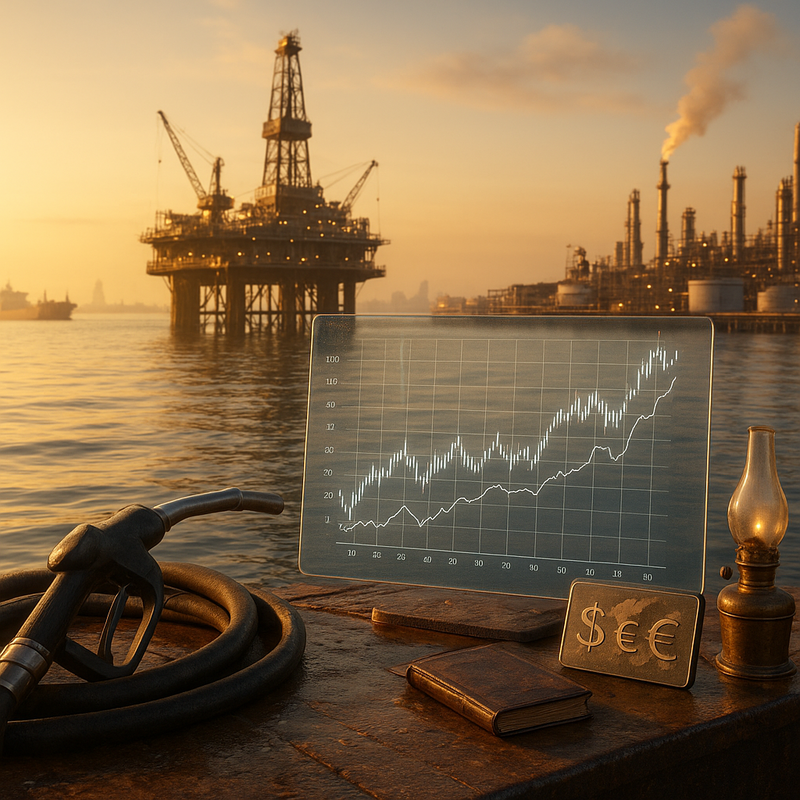
The Evolution and Significance of Crude Oil Pricing: Live Charts and Insights for 2026
Introduction
Crude oil, often called “black gold,” continues to be a cornerstone commodity powering the global economy. As we enter 2026, crude oil pricing is evolving rapidly amid geopolitical tensions, energy policy shifts, and technological breakthroughs. For investors, policymakers, and consumers alike, understanding crude oil price fluctuations—and how to monitor them through live charts—is more crucial than ever. This article breaks down the factors that influence oil prices, highlights key tools for tracking them in real time, and explores what these trends mean for the economy and society today.
Why Keeping an Eye on Crude Oil Prices Matters
Crude oil prices reflect much more than raw numbers—they are a vital economic indicator that influences many sectors:
- Economic Signals: Rising oil prices often mirror increased industrial activity, while steep falls can point to economic slowdowns.
- Investment Decisions: Traders and investors rely on price movements to identify opportunities in energy markets and related industries.
- Policy Making: Governments use oil price data to shape energy strategies and respond to economic shifts.
- Consumer Costs: Fluctuations impact transportation and manufacturing expenses, affecting prices at the gas pump and beyond.
Using live crude oil price charts enables timely insights, helping stakeholders respond proactively to market dynamics.
Understanding Crude Oil Pricing
The Basics of Crude Oil
Crude oil is a blend of hydrocarbons extracted from beneath the earth’s surface and classified by quality and origin. The three main benchmarks shaping pricing are:
- West Texas Intermediate (WTI): A light, sweet crude serving as the U.S. benchmark.
- Brent Crude: Sourced from the North Sea, this is a key reference for global markets.
- Dubai Crude: Primarily influences pricing in Asian markets.
Each benchmark reflects specific regional supply-demand factors that affect their market prices.
Tracking Prices with Live Crude Oil Charts
To keep up with fast-moving oil markets, several trusted platforms provide live price charts and analysis:
- Investing.com: Offers detailed data for WTI and Brent crude along with historical trends and market sentiment.
- Oilprice.com: Features real-time pricing across various crude grades plus expert insights and forecasts.
- TradingView: Popular among traders for comprehensive charting and technical analysis tools.
How Live Charts Boost Market Clarity
Live crude oil charts provide up-to-the-minute data, showing:
- Real-Time Price Changes: Essential for capturing intraday volatility.
- Historical Patterns: Contextualizing current price movements within longer-term trends.
- Technical Indicators: Tools like Moving Averages and RSI reveal momentum shifts and potential market reversals.
These insights are vital for informed trading strategies and policy decisions.
What Drives Crude Oil Price Movements?
Economic Factors
Several macroeconomic indicators have a direct impact on crude oil prices:
- GDP Growth: Strong growth boosts energy consumption and oil demand.
- Employment Rates: Higher employment raises transportation and industrial energy needs.
- Inflation: Rising inflation can push up production costs, influencing oil prices.
Geopolitical Forces
Political events often shape oil market volatility:
- Regional Conflicts: Disruptions in oil-rich areas like the Middle East can tighten supply.
- OPEC Decisions: Production policies by OPEC members directly affect global oil supply and prices.
- Economic Sanctions: Sanctions on countries such as Iran and Venezuela influence export volumes and market balance.
Technological Advances
New extraction and refining techniques have transformed supply dynamics:
- Innovations like hydraulic fracturing and horizontal drilling have unlocked vast reserves, expanding global output.
- Enhanced refining efficiency can lower costs, affecting market price structures.
Navigating Crude Oil Price Volatility
Benefits
- Profit Opportunities: Price swings open doors for investors to capitalize on short-term gains.
- Innovation Drive: High prices often spur investment in renewable energy and alternative fuels.
Challenges
- Economic Strain: Sudden price spikes can fuel inflation and raise operating costs.
- Environmental Impact: Continued reliance on fossil fuels delays the transition to sustainable energy sources.
What to Expect for Crude Oil Pricing in 2026
Several emerging trends will shape the crude oil market this year:
The Renewable Energy Shift
Global climate commitments are accelerating renewable investments, expected to dampen oil demand over time and reshape pricing fundamentals.
Rise of Electric Vehicles
Growing electric vehicle adoption is tipping fuel consumption patterns, reducing crude oil demand and influencing prices.
Varied Economic Recovery
Post-pandemic rebounds remain uneven worldwide. Energy demand may grow robustly in some regions while remaining moderate in others, creating mixed pressure on oil prices.
Conclusion
In 2026, the crude oil market stands at a complex crossroads. Real-time price monitoring via live charts is indispensable for grasping this fluid landscape—offering key insights for investors, policymakers, and consumers alike.
Key Takeaways
- Crude oil prices reflect intricate economic and geopolitical realities beyond mere supply and demand.
- Live crude oil price charts provide powerful tools to track market trends and stay ahead.
- Understanding diverse factors influencing price volatility is essential for navigating today’s energy sector.
Recommended Next Steps
- Stay Updated: Regularly consult reputable financial news sources and analysis platforms.
- Use Smart Tools: Platforms like TradingView and Investing.com can deepen your market knowledge.
- Diversify Wisely: Include renewable energy exposures to balance risks amid oil market fluctuations.
For detailed market data and expert insights, explore resources like Oilprice.com and Trading Economics.
As 2026 unfolds, mastering the dynamics of crude oil pricing will be vital for informed decisions in the ever-evolving energy economy. Continuous monitoring and analysis will empower you to navigate the challenges and seize the opportunities ahead.
