
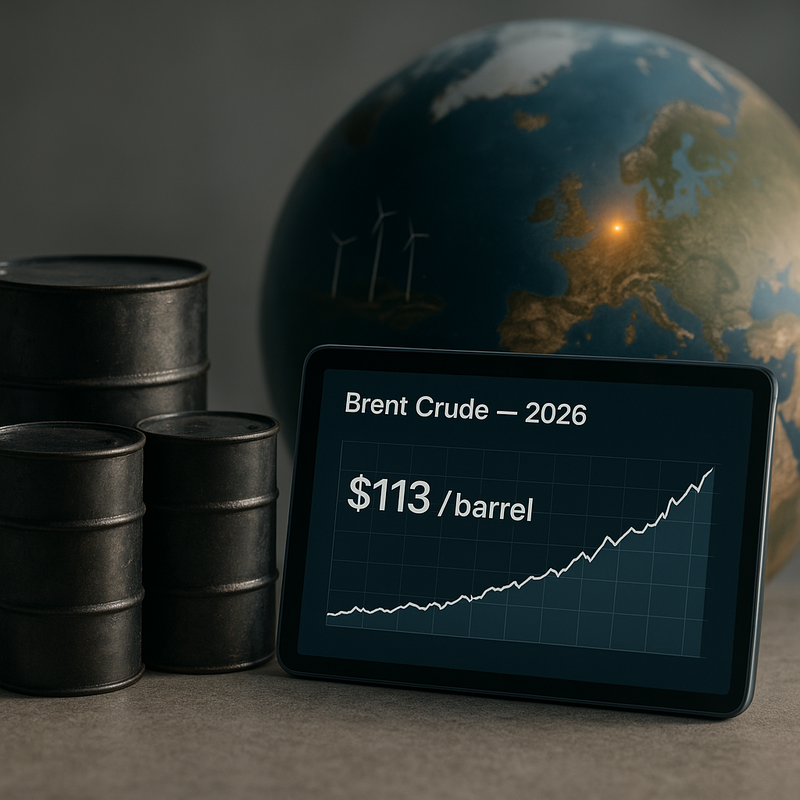
Understanding Brent Crude Prices in 2026: Insights and Future Outlook
Brent crude oil continues to be one of the most crucial benchmarks driving the global oil market in 2026. Its price remains dynamic, influenced by a complex mix of geopolitical developments, economic recovery trends, and shifting supply and demand patterns. This article delves into what’s shaping Brent crude prices today, the causes behind their volatility, and what the future might hold.
What is Brent Crude Oil?
Brent crude oil, mainly sourced from the North Sea’s Brent Oilfield and surrounding areas, is prized worldwide for its quality. Its lightness and low sulfur content make it an ideal “sweet” crude, widely recognized as the global pricing standard for crude oil.
Key Features of Brent Crude Oil
- API Gravity: Around 38 degrees, indicating a light crude that produces a higher yield of refined products.
- Sulfur Content: About 0.37%, classifying Brent as “sweet,” which reduces refining costs compared to sour crude oils.
- Benchmark Role: Brent prices act as a global reference point, influencing the pricing of other crude grades and market behavior.
These characteristics explain why Brent remains the preferred oil benchmark, significantly impacting global energy economics.
Current Trends in Brent Crude Prices (2026)
As of March 2026, Brent crude has shown considerable price volatility. In fact, on March 23, prices hit 113 USD per barrel, reflecting a remarkable 59.67% jump from the previous month and a 54.79% increase year-over-year (Trading Economics, 2026).
Major drivers behind this surge include:
- Geopolitical Disruptions: Conflicts in key oil-producing zones have constricted supply, pushing prices upward.
- Post-Pandemic Demand Recovery: Global industrial resurgence has sparked a sharp rebound in oil consumption.
- Renewable Energy Transition Impact: The move toward renewables, while promoting cleaner energy, has introduced market speculation affecting fossil fuel prices.
By understanding these influences, we can better grasp the latest fluctuations and market sentiment surrounding Brent crude.
What Drives Brent Crude Prices?
1. Geopolitical Tensions
Oil markets react swiftly to geopolitical instability, especially in critical regions like the Middle East. In 2026, ongoing unrest and sanctions have increased supply risks, leading to price spikes as markets anticipate shortages.
2. Supply and Demand Balance
Economic growth and industrial activity directly affect oil demand. The International Energy Agency notes a global increase of 2.4 million barrels per day in oil consumption, fueled by post-pandemic recovery (EIA, 2026). Meanwhile, OPEC+ adjusts production to tightly manage supply, which can elevate prices when output is cut.
3. Market Speculation and Trading
Investor sentiment, futures contracts, and trading on exchanges like the ICE play key roles in price volatility. Traders’ rapid responses to global events and policy shifts often cause swings in Brent crude prices.
4. Currency Exchange Rate Fluctuations
Since oil trades mostly in U.S. dollars, shifts in the USD’s value affect Brent pricing worldwide. A stronger dollar can make oil more expensive for holders of other currencies, potentially moderating demand and impacting prices.
Grasping these interconnected factors provides a fuller picture of Brent crude’s pricing behavior today.
Historical Price Context
Looking back at Brent crude price trends offers helpful insights:
- Pre-2008: Prices steadily rose to peaks near 150 USD per barrel, driven by robust demand and OPEC strategies.
- Post-2008 Financial Crisis: Prices plunged under 30 USD per barrel amid collapsing demand.
- 2014–2016 Slump: Oversupply and slowing growth in markets like China caused a price downturn.
- 2020 Pandemic: Unprecedented negative prices briefly emerged due to demand collapse and storage shortages.
This history highlights Brent’s acute sensitivity to economic and political shifts.
Outlook for Brent Crude Prices in 2026
Analysts forecast continued Brent price volatility throughout 2026:
Price Range Prediction
Brent prices are expected to fluctuate between 100 and 120 USD per barrel as geopolitical uncertainties and economic adjustments persist (Markets Insider, 2026).
Renewable Energy’s Influence
Growing renewable adoption could limit long-term fossil fuel demand, potentially tempering Brent crude price growth.
OPEC’s Strategic Role
OPEC and allies will remain pivotal in balancing supply and demand, shaping price stability and trends.
Economic Risks
Potential recessions may cut demand and suppress prices, making economic indicators crucial for market predictions.
Recognizing these factors helps stakeholders prepare and respond effectively to market shifts.
Conclusion
Brent crude prices in 2026 reflect a complex interplay of geopolitical challenges, economic recovery dynamics, and market speculation. The surge to 113 USD per barrel underscores tightening supply and rising demand amid ongoing uncertainty. While volatility remains a constant, Brent crude’s role as a critical global energy benchmark endures.
Key Takeaways
- Brent crude reached 113 USD per barrel in March 2026, driven by supply shortages and strong demand.
- Price swings are influenced by geopolitical tensions, speculative trading, currency fluctuations, and OPEC production decisions.
- Prices are expected to stay volatile, floating between 100 and 120 USD per barrel in the near term.
Next Steps for Readers
To deepen your understanding of Brent crude pricing, explore:
- The impact of geopolitics on global commodity markets.
- How renewable energy growth affects fossil fuel demand.
- Historical price data and forecasts from trusted sources like EIA and Trading Economics.
Staying informed on these topics empowers you to navigate the evolving world of energy markets with confidence and insight.
