
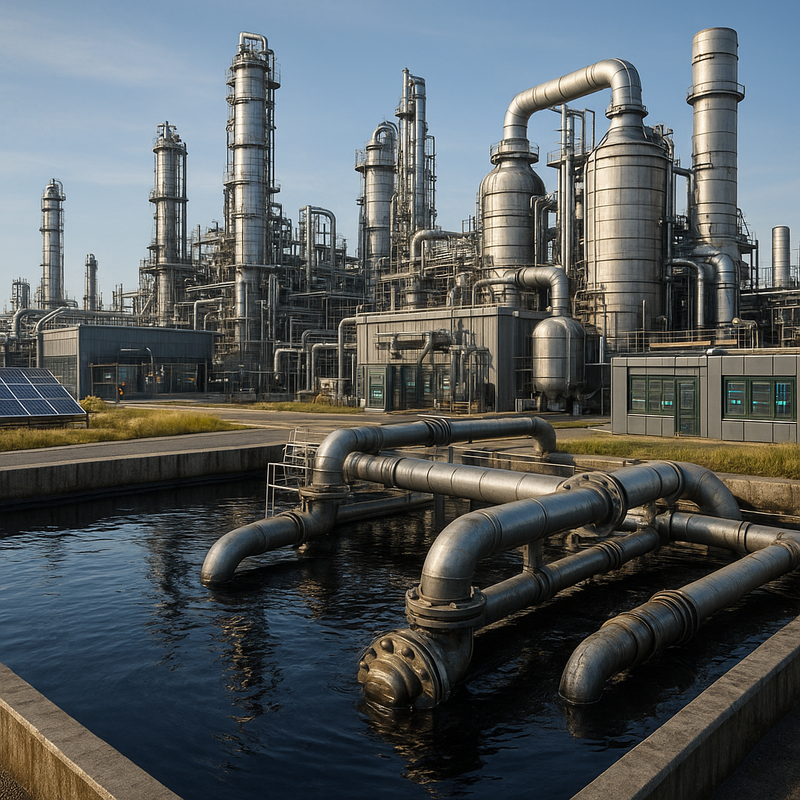
Heavy Oil Refining: Transforming the Future of Energy
As global energy demand continues to soar, the significance of heavy oil refining grows like never before. Heavy oil—a dense, viscous form of crude packed with vast reserves—presents both unique challenges and tremendous opportunities for the energy sector. By 2026, breakthroughs in refining technologies and eco-friendly practices are set to redefine this crucial industry. This article dives deep into heavy oil refining, exploring its processes, innovations, challenges, and promising prospects.
What Is Heavy Oil?
Heavy oil is a thick, stubborn type of crude oil with high viscosity and density, making it tougher to extract and refine than lighter crudes. Unlike easily flowing light oil, heavy oil demands specialized extraction techniques. Its complex chemical makeup—rich in carbon, polycyclic aromatic hydrocarbons (PAHs), and sulfur compounds—requires expert handling during refining.
Why Heavy Oil Matters
Heavy oil is vital for several compelling reasons:
- Meeting Rising Energy Demand: With consumption climbing worldwide, heavy oil offers a robust and accessible energy source.
- Cost Advantages: Advances in technology have driven down heavy oil production costs, enhancing its economic appeal.
- Energy Security: Massive reserves in nations like Canada and Venezuela diversify supply and stabilize markets.
Grasping the nature of heavy oil highlights why refining it efficiently is key to future energy security.
The Heavy Oil Refining Process
Turning heavy oil into usable fuels and products involves multiple precise steps:
- Desalting: The crude is washed with water to remove salts and impurities that could corrode refinery equipment.
- Distillation: Fractional distillation separates the crude into components by boiling points—lighter fractions like naphtha and kerosene are distilled at atmospheric pressure, while heavier residues undergo vacuum distillation.
- Cracking: Large hydrocarbons are broken into smaller, valuable molecules. Thermal cracking uses heat and pressure, while catalytic cracking employs catalysts to boost yield and efficiency.
- Hydrocracking: Combining hydrogenation with catalysis, this step removes sulfur and nitrogen, producing cleaner, lighter fuels that meet environmental rules.
- Upgrading Residues: Processes like visbreaking and coking reduce viscosity and create lighter products, generating valuable byproducts such as petroleum coke.
- Separation and Treating: Additional purification removes sulfur, water, and other contaminants to deliver high-quality products.
- Blending: Finally, refined fractions are carefully blended to meet specific fuel and lubricant standards.
Each phase is crafted to maximize product yield, quality, and regulatory compliance—showcasing the complexity of heavy oil refining.
Innovations Driving Heavy Oil Refining
The industry is evolving rapidly thanks to game-changing technologies:
- Advanced Catalysts: Zeolite and other cutting-edge catalysts enhance cracking efficiency, boosting output and cutting emissions.
- Digitalization and Automation: Smart technologies allow real-time control, predictive maintenance, and optimized operations—slashing costs and downtime.
- Carbon Capture and Storage (CCS): CCS integration reduces refinery greenhouse gases by capturing CO₂ emissions, helping tackle climate change.
- Emerging Separation Techniques: New methods like membrane separation improve energy efficiency and environmental performance.
Harnessing these innovations is crucial for overcoming heavy oil refining’s challenges while aligning with sustainability goals.
Challenges in Heavy Oil Refining
Despite big strides, the sector faces key hurdles:
- Environmental Regulations: Meeting strict emission and waste rules demands ongoing investments in cleaner technologies.
- Fouling and Corrosion: Heavy oil’s makeup can clog and degrade equipment, requiring advanced materials and vigilant maintenance.
- Economic Volatility: Oil price swings and changing demand impact the economics of refining complex heavy crudes.
- Process Complexity: Advanced refining requires skilled workforce and sophisticated tech to maintain product quality and efficiency.
Addressing these challenges is vital to ensure heavy oil refining remains profitable and sustainable.
Opportunities for Growth
Heavy oil refining holds bright prospects ahead:
- Sustainable Practices: Energy-efficient upgrades and waste reduction can lower environmental impact and boost company reputation.
- Expanding Petrochemical Demand: Heavy oil is an essential feedstock feeding booming petrochemical industries, critical for plastics and materials.
- Technological Investment: Continued R&D into refining tech will raise efficiency, compliance, and adaptability.
Seizing these opportunities will empower the industry to flourish in an evolving energy landscape.
Conclusion
Heavy oil refining stands at the forefront of meeting the world’s growing energy needs, transforming a challenging yet abundant resource into vital fuels and chemicals. By embracing innovation, prioritizing sustainability, and striving for operational excellence, the sector can navigate its complexities and power a balanced energy future.
Supporting progress in heavy oil refining ensures energy reliability while balancing environmental and economic demands—a crucial harmony as we approach 2026 and beyond.
For those eager to learn more, diving into refining technology advances, regulatory impacts, and market trends offers valuable insights into this dynamic, evolving field.
