

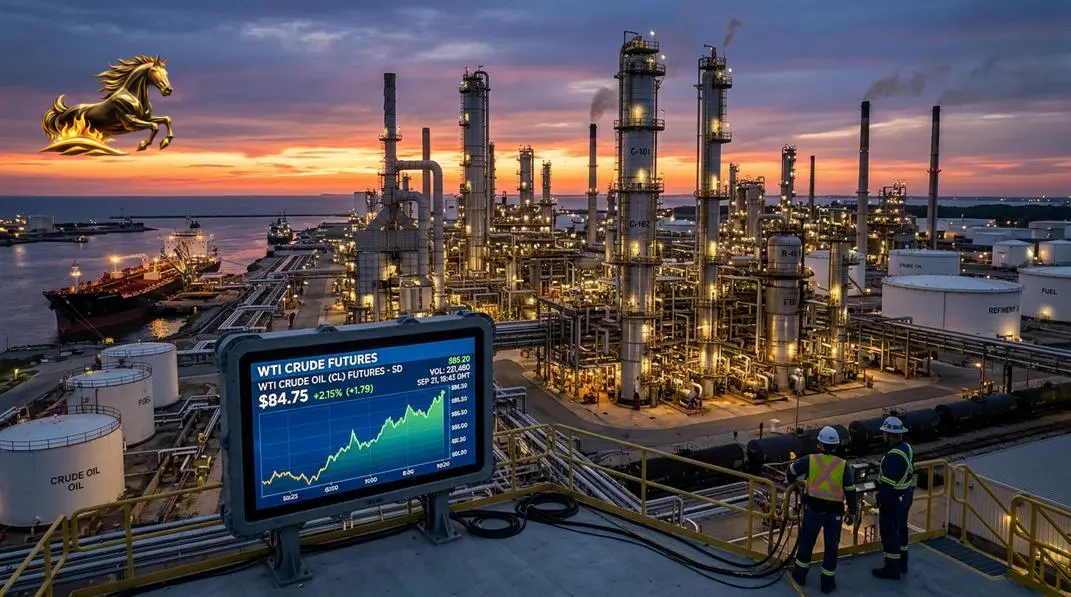
Oil Futures Market in 2026: How Geopolitics, De-Escalation, and Energy Transition Are Reshaping Crude Prices
The oil futures market remains a cornerstone of the global economy, impacting countless industries and consumers worldwide. In 2026, this market is more dynamic than ever, driven by shifting geopolitical tensions, diplomatic breakthroughs, and the accelerating energy transition toward cleaner fuels. Understanding these key forces is essential for anyone tracking or trading oil futures this year. This guide breaks down the critical factors shaping crude prices today, helping you read the market with confidence amid ongoing volatility.
What Is the Oil Futures Market, and Why Does It Matter?
An oil futures contract is a financial agreement to buy or sell a specific amount of crude oil at a set price on a future date. These contracts are vital tools for businesses managing price risk and for investors speculating on future supply and demand. From airlines securing fuel costs to hedge funds navigating market trends, oil futures connect diverse players through a sophisticated global system.
Unlike spot prices, oil futures anticipate not just current supply-demand but also future market expectations — in 2026, heavily influenced by global geopolitics and the energy transition.
How Oil Futures Contracts Work
Most oil futures represent 1,000 barrels of standardized crude types, such as West Texas Intermediate (WTI) or Brent, with specified delivery months and terms. Although many traders never take physical delivery, prices reflect the market’s view on oil availability and value at contract maturity.
Who Trades Oil Futures?
- Hedgers: Producers, refiners, airlines, and transport companies use futures to lock in prices and mitigate cost volatility.
- Speculators: Hedge funds and trading firms provide liquidity and price discovery by taking on price risk.
- Institutions & Benchmarks: Many other commodity and financial instruments reference oil futures to gauge market trends globally.
Where Is Oil Futures Trading Centered?
WTI futures trade primarily on the New York Mercantile Exchange (NYMEX), while Brent futures trade on the Intercontinental Exchange (ICE), both ensuring standardization and transparency.
Why 2026 Stands Out for Oil Futures
This year, the oil futures market is highly sensitive to geopolitical narratives. For example, hopeful talks between the U.S. and Iran have reduced the geopolitical risk premium tied to Middle Eastern supply fears, causing prices to ease. Conversely, sudden events like the U.S. strike on Iran’s Qeshm Island briefly pushed prices higher, underscoring how futures react strongly to shifting political realities rather than immediate oil supply changes.
Geopolitical Risk Premium and Price Fluctuations
The geopolitical risk premium—the extra cost built into prices for potential supply disruptions—has seen rapid swings. Diplomatic progress lowers this premium, easing prices, while renewed tensions push it up, heightening volatility.
Current Price Ranges
WTI prices have mainly held in the mid-to-high $90s per barrel, with Brent hovering just above $100. This reflects a market balancing fears of instability against hopes for easing conflicts.
Key Factors Driving Oil Futures Prices in 2026
Supply and Demand Fundamentals
Crude prices respond to OPEC+ production decisions, U.S. shale output, refinery activity, seasonal demand shifts, inventory levels, and logistical bottlenecks. Even minor changes in these areas can dramatically affect futures pricing.
Inventory and Storage Signals
Limits on storage capacity and inventory fluctuations often signal tightness or oversupply, triggering sharp price moves.
Impact of the U.S. Dollar
Because oil trades in U.S. dollars globally, a stronger dollar typically makes oil pricier for holders of other currencies, suppressing demand and prices, while a weaker dollar can boost them.
Geopolitical and Maritime Risks
Instability in the Middle East, sanctions, conflicts, or threats to maritime security continue to be major volatility drivers. Markets price in not only current conditions but probabilities of future disruptions.
The Influential Role of OPEC+
OPEC+ controls significant portions of global supply through coordinated output targets and public messaging. Traders watch their actions closely, but OPEC+ cannot regulate demand or non-member production, meaning price swings can persist despite their efforts.
Energy Transition’s Growing Influence on Oil Futures
Longer-term futures increasingly factor in declining oil demand due to electrification, industrial decarbonization, and evolving regulations:
- Transport Electrification: Rising electric vehicle adoption reduces gasoline demand growth.
- Policy and Industrial Shifts: Stricter emission rules and efficiency goals lower future oil consumption.
- Regional Demand Evolution: Emerging economies, especially in Asia, continue to influence global demand patterns amid these changes.
While these trends won’t overturn the market overnight, they are steadily shaping trader expectations and futures market structures in 2026.
Embracing Volatility as the New Normal
Volatility is inherent to today’s oil futures market, fueled by overlapping uncertainties in geopolitics, economics, supply logistics, currencies, and energy policies. Distinguishing fundamental-driven moves from sentiment-driven swings is key for all market participants.
Understanding WTI vs. Brent Benchmarks
- WTI: Reflects U.S. domestic production and demand fundamentals, influenced by local inventory and refinery status.
- Brent: Represents broader global crude flows from the North Sea and Middle East, influenced by international shipping conditions.
The price spread between WTI and Brent reveals whether regional or global factors dominate price dynamics.
How Investors Can Access Oil Futures
- Direct Futures Trading: Offers direct exposure but requires sophistication, margin, and risk appetite.
- ETFs and ETNs: Easier access but may face complications like roll costs affecting returns.
- Energy Stocks: Indirect exposure with company-specific risks.
- Options and Structured Products: Suitable for advanced traders seeking tailored risk control.
Insights from 2026 Market Trends
- Price moves often reflect changing risk probabilities more than immediate supply shifts.
- Volatility signals uncertainty, not clear directional trends.
- Benchmark prices balance fears and optimism delicately.
- The energy transition influences longer-term outlooks even as short-term geopolitics dominate prices.
Forecasting Oil Futures into the Future
Factors That Could Keep Prices Elevated
- Persistent Middle East geopolitical risks
- Decreasing global spare capacity
- Stronger-than-expected oil demand growth
Factors That Could Lower Prices
- Continued diplomatic progress easing tensions
- Economic slowdowns dampening demand
- Rising non-OPEC production
- Accelerated energy transition reducing oil reliance
A Practical Approach for Market Players
- Pinpoint the primary market narrative: geopolitics, supply concerns, or transition trends.
- Separate fundamentals from market sentiment.
- Track WTI-Brent spreads for regional vs. global impact insights.
- Evaluate how much geopolitical risk premium is priced in.
- Tailor analysis to your trading or investment horizon.
Robust risk management—control of leverage, disciplined stops, and scenario planning—is indispensable amid current market swings.
Conclusion
In 2026, the oil futures market reflects conditional pricing shaped by rapid geopolitical shifts and the simmering energy transition. Prices encapsulate not only physical crude availability but also the complex probabilities of conflict and cooperation. Whether you hedge, invest, or trade, grounding your strategy in these dynamics and prioritizing risk management is more critical than ever.
Frequently Asked Questions
Q: Why do oil futures prices react so strongly to geopolitical news in 2026?
A: Because futures prices incorporate expected future supply risks, diplomatic developments can quickly increase or decrease the geopolitical risk premium.
Q: How do WTI and Brent benchmarks differ in market significance?
A: WTI reflects U.S. domestic market conditions, while Brent captures global seaborne crude flows. Their price gap signals whether market drivers are regional or global.
Q: Should individual investors trade oil futures directly?
A: Direct futures trading demands expertise, capital, and risk tolerance; many individuals prefer ETFs or energy stocks despite their own complexities.
Q: How important is the energy transition when analyzing oil futures?
A: It’s a crucial structural factor shaping long-term demand expectations, though short-term prices remain highly sensitive to geopolitical and supply-demand fluctuations.
Mastering the oil futures market in 2026 means balancing awareness of immediate geopolitical developments with an understanding of the evolving energy landscape. With sharp analysis and careful risk control, market participants can navigate this challenging environment more effectively.
