

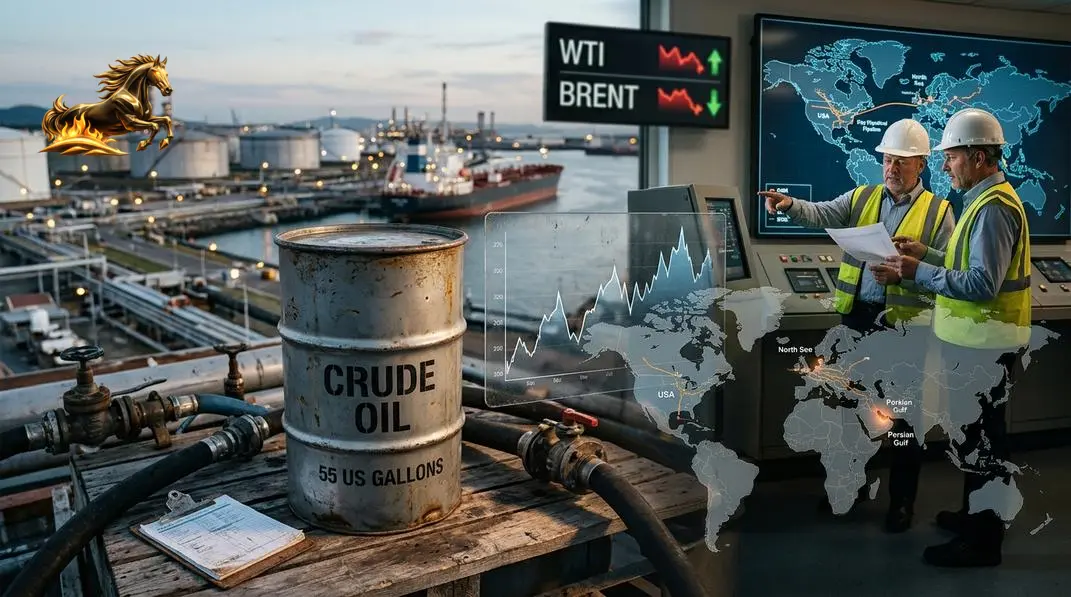
Barrel Price Now: Your Ultimate Guide to Crude Oil in 2026
If you’ve checked crude oil prices lately, you know volatility is the name of the game. Headlines flip from fears of geopolitical conflicts pushing prices up to diplomatic breakthroughs pulling them down just as fast. In 2026, understanding the barrel price now isn’t just about the number on the screen—it’s about grasping the global forces, economic shifts, and energy changes driving those moves.
Right now, crude prices sit high but swing wildly. Brent Crude is around $104.30 per barrel, while West Texas Intermediate (WTI) trades near $96.46. These figures tell part of the story, but just days ago, prices dropped over 7% on diplomatic optimism, and earlier soared past $115 after attacks on key oil infrastructure. This market isn’t ordinary—it’s finely balanced on geopolitical tensions.
This guide cuts through the noise. We’ll explore what’s driving prices today, the deeper supply and demand trends, and expert forecasts for the months ahead. Whether you’re an investor, policymaker, or simply curious, knowing what shapes the barrel price now is essential.
Current Barrel Prices: A Real-Time Snapshot
Brent vs. WTI: What You Need to Know
Brent and WTI are the twin benchmarks for global oil pricing.
- Brent Crude: Sourced from the North Sea, Brent sets the tone for about two-thirds of crude traded worldwide. It’s especially sensitive to geopolitical shifts in Europe, the Middle East, and Africa. In late 2026, Brent generally trades between $108 and $110, commanding a premium reflective of tight supply.
- West Texas Intermediate (WTI): This lighter, sweeter grade is mainly delivered at Cushing, Oklahoma, mirroring North American supply and infrastructure dynamics. WTI currently trades around $99 to $101, often at a discount to Brent due to robust U.S. production.
Though prices recently corrected sharply, both benchmarks remain elevated well above historical averages, signaling a market still grappling with fundamental tightness. Price swings highlight the market’s sensitivity to breaking news.
A Quick History: Oil Price Milestones
To see where we stand, consider these key points:
- 2008: Prices peaked near $147 per barrel amid booming demand and geopolitical risks.
- 2014-2016: A U.S. shale-driven supply glut and OPEC strategy drove prices below $30.
- 2020 Pandemic: Demand plunged, even turning WTI negative briefly.
- 2022-2024: Prices surged above $120 amid the Russia-Ukraine conflict and strong recovery.
Today, 2026’s prices hover between $96 and $110—a “higher-for-longer” range underscoring ongoing supply-demand imbalances and elevated risk premiums.
Bottom line: We’re in a sustained, tight market punctuated by dramatic geopolitical headlines.
What’s Moving Oil Prices Now?
Daily oil prices are a tug-of-war between headline events and deeper market fundamentals. Right now, geopolitics leads the charge.
Geopolitical Twists: Conflict vs. Diplomacy
Geopolitical risk dominates 2026 oil price moves.
- Recent Drop: Oil plunged over 7% as renewed U.S.-Iran diplomatic talks eased fears of Middle East supply disruptions. Even tentative diplomacy can slash the market’s “risk premium,” sending prices lower.
- Prior Surge: Attacks on Saudi energy facilities triggered a jump, pushing Brent above $115 and WTI past $101. The threat of Middle East supply disruption remains the most powerful price driver.
- Expert Take: Analysts describe oil’s “geopolitical pendulum”—prices spike with conflict fears, then retreat on diplomatic progress, causing sharp intraday swings.
The Ever-Present Risk Premium
Beyond news, prices carry a risk premium reflecting fears of possible supply shocks. Ongoing tensions keep this premium high, preventing prices from falling too far, even during calmer periods.
Why it matters: This premium sets a critical price floor in today’s tense global environment.
The Bigger Picture: Supply, Demand & Energy Transition
Behind headlines, structural forces shape oil pricing.
The Supply-Demand Balance
Supply and demand remain tightly matched.
- Demand: Global oil use keeps recovering, especially in emerging markets. The U.S. Energy Information Administration (EIA) confirms continued strong demand despite economic uncertainties.
- Supply: Growth is limited by cautious spending from producers, geopolitical challenges within OPEC+, and a slower increase in U.S. shale output. Spare capacity is slimmer than in recent years, making the market sensitive to disruptions.
Energy Transition’s Growing Influence
The shift to greener energy is real and affecting the oil market.
- Investment Caution: Pressure to decarbonize slows new oil project funding as companies avoid assets that could become stranded.
- Tech Impact: Efficiency gains in mature oil fields continue, but investments in new exploration and expansion have stalled. The industry is focused more on optimizing than growing.
Economic Factors at Play
Oil price trends interconnect with broader economic dynamics:
- Inflation: Oil prices affect transport and manufacturing costs, feeding into inflation which central banks monitor closely.
- Dollar Relationship: Oil and the U.S. dollar typically move inversely, though 2026 shows complex effects amid geopolitical uncertainties.
Summary: High prices rest on structural tightness, cautious investment, and economic influences.
What Experts Say: Price Outlook for 2026–2027
Analysts expect prices to stay elevated and volatile.
The “Higher-for-Longer” Scenario
- Goldman Sachs: Forecasts Brent holding near $105 late in 2026 and into 2027, driven by tight supply and ongoing risk premiums.
- Consensus: A return to 2022’s record highs seems unlikely, but cheap oil is also off the table. Tense geopolitics and disciplined production create a new market norm.
Watch These Variables
Market direction hinges on:
- Geopolitical shifts: Lasting peace or renewed conflicts in the Middle East.
- OPEC+ moves: Production decisions remain crucial.
- Economic pace: Demand could soften with slowed growth.
- Energy transition speed: Faster adoption of renewables could ease future demand.
Pro tip: Stay adaptable—flexible strategies will outperform fixed forecasts.
Why It Matters: Oil Prices and You
Consumers & Businesses
- Fuel Costs: Persistent high prices mean more expensive gasoline, diesel, and jet fuel, affecting budgets and logistics.
- Inflation Impact: Higher oil feeds inflation, potentially keeping interest rates elevated longer with broad economic effects.
- Planning: Companies must manage volatile energy costs to protect margins.
Investors & Traders
- Volatility: Creates opportunities but requires careful risk management.
- Sector Appeal: Strong cash flow prospects draw investors to oil producers and service firms.
- Hedging: Corporations increasingly use hedging strategies to manage cost uncertainties.
Navigating the Market: Tips to Stay Ahead
To make sense of this complex landscape:
- Look beyond headlines: Distinguish between temporary fears and real shifts. Watch Brent-WTI spreads for regional signals.
- Follow reliable sources: Reuters, Bloomberg, EIA, and OPEC+ reports offer trustworthy insights.
- Consider diverse views: Listen to producers, traders, and analysts to get the full picture.
- Plan scenarios: Prepare for multiple geopolitical and economic outcomes instead of fixed predictions.
Looking Forward: Oil Prices Amid Transition
Oil’s future balances demand resilience with the push for cleaner energy. Geopolitics will keep prices swinging short term, while energy transition gradually reshapes supply and demand.
Expect ongoing volatility entwined with gradual structural change toward a more balanced, lower-carbon energy future.
Final Thoughts: Key Takeaways on Barrel Price Now in 2026
Grasping oil prices today means understanding a web of geopolitics, market fundamentals, and evolving energy trends.
- Prices remain elevated and volatile, tightly linked to Middle East developments.
- Geopolitical risk sets a substantial and lasting risk premium.
- Supply-demand fundamentals confirm a structurally tight market.
- The energy transition influences investments, but demand remains strong.
- Oil prices affect inflation, corporate margins, and investment strategies.
Your Next Steps:
- Bookmark live Brent and WTI price trackers.
- Follow combined financial and geopolitical news.
- Factor energy price scenarios into budgeting and planning.
- Keep a long-term perspective amid daily price swings.
Oil pricing continues to be a vital gauge of global stability, economic health, and our energy future. Staying informed empowers you to navigate this dynamic market confidently.
FAQ: Quick Answers on Barrel Price Now
- Q1: Why did oil prices drop sharply recently?
- Oil prices fell over 7% due to renewed U.S.-Iran talks easing fears of Middle East supply disruptions, which reduced the risk premium embedded in prices.
- Q2: How do Brent and WTI differ?
- Brent, from the North Sea, is the global benchmark tied to geopolitical events in Europe and the Middle East. WTI is a U.S. benchmark reflecting domestic supply, typically trading at a discount to Brent.
- Q3: Are current oil prices high?
- Yes. Prices near $100 per barrel are elevated compared to the past decade’s averages, representing a “higher-for-longer” pricing environment.
- Q4: How do high oil prices affect inflation?
- They increase transport and manufacturing costs, feeding consumer inflation and influencing central bank policies, which can slow economic growth.
- Q5: What is the “risk premium”?
- It’s the extra cost in oil prices accounting for possible future supply disruptions, especially from geopolitical conflicts. It fluctuates with tensions, adding volatility beyond supply-demand factors.
