

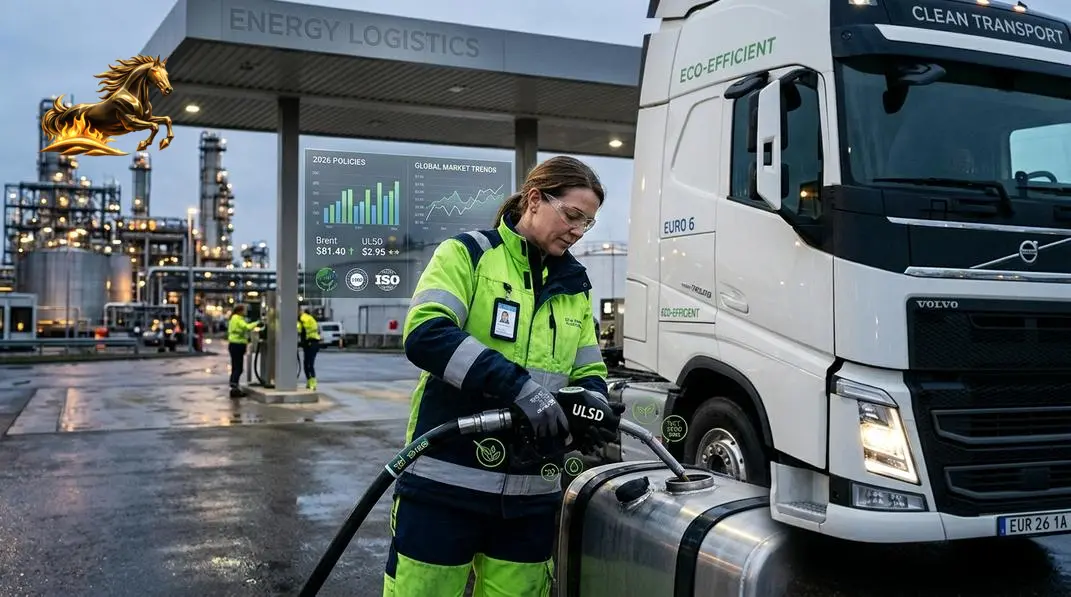
Ultra Low Sulfur Diesel Explained: Your 2026 Go-To
Ultra Low Sulfur Diesel (ULSD) Explained: Your 2026 Go-To Guide on Pricing, Policies, and Performance
Diesel prices and supply challenges have been major headlines recently, capturing attention across industries and governments alike. At the heart of this story is Ultra Low Sulfur Diesel (ULSD)—a fuel that might sound technical but is key to how we power transportation, industry, and meet environmental goals today. In 2026, understanding ULSD isn’t just for fuel experts or diesel drivers; it’s essential for business leaders managing costs, policymakers shaping regulations, and anyone interested in the forces behind fluctuating diesel prices and greener energy options.
This comprehensive guide breaks down everything you need to know about ULSD: what it is, why it matters, how it’s made, and the market and regulatory factors driving its pricing and availability. Whether you run a fleet, craft energy policies, or just want to decode diesel dynamics, this article delivers clear, reliable insights.
What Exactly Is Ultra Low Sulfur Diesel (ULSD)?
ULSD is a type of refined diesel fuel that has been stripped of sulfur to an ultra-low limit of 15 parts per million (ppm)—a huge drop from the old diesel standards, which had sulfur levels ranging from 500 ppm all the way up to 5,000 ppm.
Why did we slash sulfur so much? Because sulfur in diesel creates sulfur oxides (SOx) when burned, which contribute to acid rain, smog, and harmful airborne particles. ULSD’s low sulfur content allows advanced emission controls like Diesel Particulate Filters (DPFs) and Selective Catalytic Reduction (SCR) systems to function properly. These technologies then cut down nitrogen oxides (NOx) and harmful particulates by over 90%, dramatically cleaning up diesel emissions compared to older fuels.
Today, ULSD powers not just highway vehicles but also railways, heavy machinery, and marine engines—making it an essential, petroleum-based fuel that meets the strictest global environmental standards.
The Regulatory Journey to 15 ppm Sulfur
- 2006: ULSD became mandatory for nearly all highway diesel vehicles.
- 2010–2014: ULSD requirements expanded to non-road equipment like construction, agricultural machinery, locomotives, and marine vessels.
Europe’s Euro 5 and Euro 6 emission standards follow similar paths, cementing ULSD’s place as the global clean diesel fuel standard.
How Is ULSD Produced? The Science Behind Low Sulfur Diesel
Getting sulfur down from hundreds or thousands of ppm to just 15 involves an advanced refinery process called hydrodesulfurization (HDS). This catalytic process uses hydrogen to break sulfur bonds in diesel molecules.
How Hydrodesulfurization Works
- Feedstock Prep: Diesel fractions from crude oil are blended with hydrogen.
- Heating & Pressurizing: This mixture is heated to about 300–400°C under high pressure.
- Catalytic Reaction: Hydrogen reacts with sulfur atoms over catalysts (cobalt, molybdenum, or nickel), converting sulfur into hydrogen sulfide (H₂S).
- Sulfur Extraction: H₂S gas is removed and further processed to recover pure sulfur.
- Final Treatment: The cleaned diesel is polished to meet the tight 15 ppm sulfur spec.
Though energy- and capital-intensive, this method is critical to producing ULSD that supports advanced emission controls and meets strict environmental regulations.
Refinery Innovations
- Multi-stage hydrotreating and superior catalyst designs
- Adsorption technologies targeting remaining sulfur compounds
- Experimental biodesulfurization using microbes (though not yet commercial)
These advances aim to cut costs and environmental impact while maintaining ULSD quality.
Why ULSD Matters: Environmental, Health & Economic Benefits
Switching to ULSD has driven major benefits across the board.
Environmental & Public Health Wins
- Huge Emission Reductions: Lower sulfur drastically cuts acid rain and fine particulates (PM2.5), which are linked to heart and lung disease.
- Supports Advanced Control Tech: ULSD enables DPFs and SCR systems to reduce NOx and particulate emissions by over 90%, making modern diesel engines 98% cleaner.
- Climate Gains: Cleaner combustion improves CO2 emissions per mile, advancing climate goals.
Economic & Operational Advantages
- Longer Engine Life: Less sulfur means less corrosive sulfuric acid formation inside engines, protecting parts and slashing maintenance costs.
- Better Fuel System Health: ULSD burns cleaner, reducing injector fouling and keeping fuel systems running smoothly.
- Global Fuel Compatibility: Widespread ULSD adoption simplifies logistics by ensuring diesel equipment can run on compatible fuel anywhere in the world.
In short, ULSD means cleaner air, more durable equipment, and smoother global operations.
2026 Market Realities: Challenges Impacting ULSD Pricing & Supply
Despite its environmental success, ULSD supply faces notable hurdles this year, influencing cost and availability.
Tight Supplies & Price Spikes
- Record-Low U.S. Inventories: West Coast ULSD stocks hit a 14-year low near 9 million barrels.
- Surging Prices: Gulf Coast and California prices reached historic highs due to limited supply.
- Why?
• Rising demand from economic recovery and global trade rebound
• Refinery shutdowns and capacity cuts
• High export levels draining domestic stocks
• Geopolitical disruptions complicating fuel trades
This delicate supply-demand balance causes regional price swings and keeps markets jumpy.
Regulatory Waivers & Risks
- Texas Waiver: The EPA permits diesel up to 500 ppm sulfur until November 13, 2026.
This carries big risks:
- Damage to Tier 4 Engines: Higher-sulfur diesel damages sensitive aftertreatment systems, leading to costly repairs and lost performance.
- Remote Area Exemptions: Alaska uses temporary waivers due to logistical limits, but operators must be cautious to avoid equipment harm.
Operators must carefully navigate these rules to protect their fleets.
Fuel Lubricity & Additives
- Removing sulfur reduces diesel’s natural lubricity.
- Early ULSD often lacked enough lubricating quality, risking pump wear.
- Today, ULSD is routinely fortified with lubricity additives per ASTM specs.
- Tip: For older vehicles or stored fuel, additional additives can help maintain system health.
Geopolitical Influences
Recent shipments of Russian ULSD to U.S. ports highlight diesel’s complex global supply web. While isolated, such moves illustrate how geopolitics impact an already tight market.
ULSD vs. Other Diesel Fuels: What’s the Difference?
| Fuel Type | Sulfur Content | Common Use | Engine Compatibility |
|---|---|---|---|
| Ultra Low Sulfur Diesel (ULSD) | ≤ 15 ppm | Road, rail, marine, non-road | Required for modern Tier 4+ engines |
| Low Sulfur Diesel (LSD) | Up to 500 ppm | Off-road, older engines, waivers | Not for Tier 4 or newer systems |
| High Sulfur Diesel (HSD) | > 500 ppm | Stationary engines, legacy use | Mostly phased out for mobile use |
| Renewable Diesel (RD) | 0 ppm (biomass-based) | Blends, low-carbon alternative | Drop-in ULSD substitute |
| Biodiesel (B100) | Usually low (by blending) | Blended fuels (B5, B20) | Different chemistry, separate specs |
The Future of ULSD: Trends to Watch in 2026 and Beyond
1. Growing Renewable Diesel Blends
Renewable Diesel is increasingly blended with ULSD, especially in states with clean fuel initiatives like California’s LCFS. Since RD’s a molecular match to ULSD, it integrates easily into existing engines and infrastructure, easing the low-carbon transition.
2. Smarter Engine Designs
Engine makers push advancements to:
- Boost ULSD combustion efficiency
- Enhance emissions monitoring to avoid fuel mishaps
- Support diverse renewable blend compatibility and performance
3. Shaping Policy and Markets
- Talks on creating strategic diesel reserves for supply security
- Continued use of temporary sulfur standard waivers
- Global efforts toward harmonized fuel rules to streamline markets
Tips for Fleet Managers & ULSD Users
- Check Fuel Specs: Confirm your equipment needs 15 ppm ULSD, especially Tier 4/Stage V engines, to prevent damage.
- Maintain Fuel Quality: Use stabilizers and biocides when storing ULSD; test fuel regularly.
- Build Strong Supplier Relationships: Reliable sources can help weather supply fluctuations.
- Consider Renewable Diesel: Evaluate blends for cost and emissions benefits in your region.
- Stay Updated: Follow official market data and policy changes closely.
Conclusion
Ultra Low Sulfur Diesel is far more than just a fuel specification—it’s a cornerstone of clean diesel technology, a major player in 2026’s energy landscape, and a lynchpin balancing economic activity with environmental stewardship. While ULSD has dramatically cut harmful emissions, supply tightness and regulatory complexities require savvy management.
Understanding ULSD’s production, market forces, and evolving trends empowers businesses, policymakers, and consumers to make informed decisions that protect assets, manage costs, and advance sustainability.
As ULSD increasingly pairs with renewable alternatives, those who stay informed and flexible will lead the way to a cleaner, more resilient transportation future.
FAQs
Q1: Can I run 500 ppm sulfur diesel allowed by the Texas waiver in my 2022 semi-truck?
A: No. Tier 4 and similar engines require 15 ppm ULSD. Using 500 ppm diesel causes irreversible damage to aftertreatment systems and engine performance.
Q2: Why is ULSD pricier than gasoline?
A: ULSD production demands advanced, hydrogen-intensive refining steps. Coupled with diesel’s critical role in commerce and tight refinery capacity, these factors drive diesel prices above gasoline.
Q3: Does ULSD reduce fuel mileage?
A: ULSD has slightly less energy per gallon, but modern diesel engines offset this with improved designs, often delivering better efficiency overall.
Q4: Is ULSD safe for older diesel engines?
A: Yes. ULSD generally improves engine health by reducing deposits and corrosion. For very old engines, additive use can enhance lubricity.
Q5: How does Renewable Diesel compare to ULSD?
A: Renewable Diesel is biomass-based, meets ULSD specs, and works as a direct substitute or blend. It offers significant carbon emission reductions.
