
Brent Futures Price in 2026: Geopolitics, Forecasts, and the New Market Reality
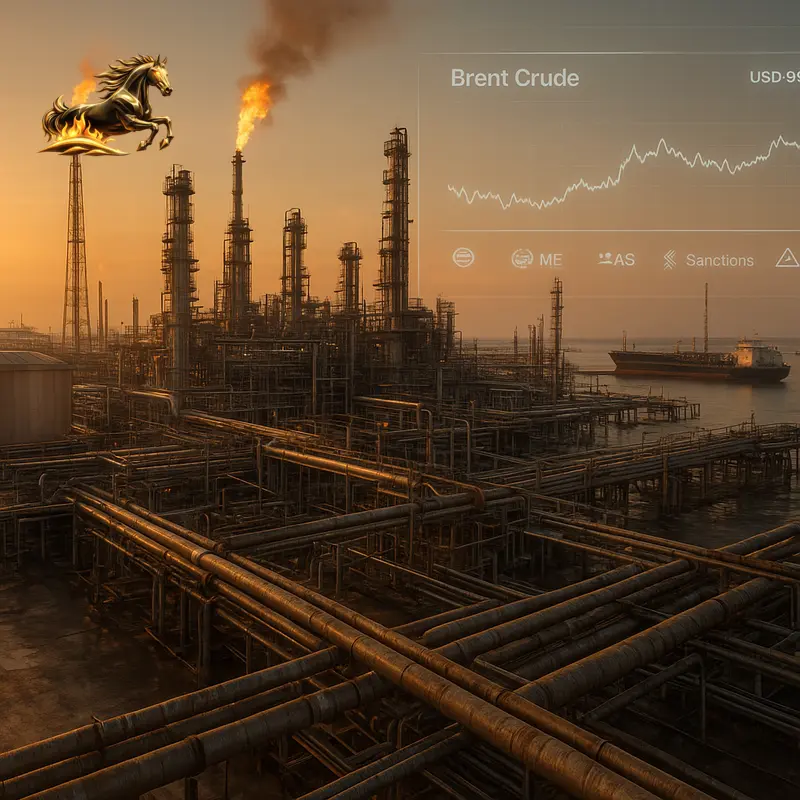
As we step into early 2026, the global oil market is under intense pressure. The Strait of Hormuz—a critical passage that handles nearly one-third of the world’s seaborne oil—has become the epicenter of mounting geopolitical tension. Clashes between the United States and Iran have sent shockwaves through Brent crude prices, the world’s foremost oil benchmark. Gone are the days when prices simply tracked supply and demand. Now, Brent prices swing wildly—hovering near $89 per barrel one day and skyrocketing past $95 the next—driven by the latest developments around critical infrastructure strikes.
For investors, policymakers, and analysts, understanding what’s ahead requires more than traditional market tools. Navigating Brent’s 2026 path means deciphering the tangled mix of global conflicts, strategic supply moves, and evolving economic forces. This article breaks down the key drivers shaping Brent futures today and what they signal for the future of global energy markets.
What Are Brent Futures? The Heartbeat of Global Oil Pricing
Before diving in, it’s essential to understand Brent futures.
Brent crude isn’t just an oil type—it’s the primary global benchmark for oil prices. Originating from the North Sea’s major fields—Brent, Forties, Oseberg, and Ekofisk (BFOE)—its qualities make it ideal for setting contracts worldwide. Brent futures, traded mainly on the Intercontinental Exchange (ICE), are binding agreements to buy or sell a specific quantity of Brent crude at a predetermined price on a future date.
How the Futures Market Works
- Hedgers like airlines or oil producers use futures to protect themselves from unpredictable price swings. Producers sell futures to secure future revenues, while consumers buy them to stabilize fuel costs.
- Speculators seek profits from price changes, providing crucial liquidity but often amplifying volatility.
- Arbitrageurs align price disparities between global oil benchmarks and physical markets, helping keep prices consistent worldwide.
This means Brent futures prices reflect a collective market view informed by inventories, supply outlooks, expected demand, and the heightened geopolitical risk premium prevalent today.
A Legacy of Volatility: Brent Oil’s Journey to 2026
Brent’s history showcases oil’s sensitivity to global shifts:
- 2014–2016 Crash: U.S. shale boom flooded markets amid steady OPEC output, tumbling prices from $115+ to below $30 per barrel.
- 2020 Pandemic Plunge: Demand evaporated; storage shortages briefly pushed futures into negative territory.
- Post-Pandemic Surge (2021–2022): Recovering demand and Russia’s invasion of Ukraine pushed Brent beyond $120, sparking inflation and disruption.
- Managed Scarcity (2023–2025): OPEC+ production cuts defended prices amid plateauing demand and rising climate concerns.
This history amplifies today’s risk sensitivity. Brent’s 2026 price reflects more than immediate supply; it embodies fears of future geopolitical disruption.
2026 Price Drivers: Geopolitics in the Driver’s Seat
Geopolitical risk—and particularly tensions in the Middle East—is the dominant force shaping Brent prices now.
1. U.S.-Iran Confrontation and the Strait of Hormuz
- Military Clashes: Regular reported skirmishes near vital shipping lanes provoke sharp Brent spikes, often breaching key price levels.
- Strait of Hormuz Threats: Transporting about 17 million barrels daily, any blockade, mine, or missile risk sends markets reeling.
- News Sensitivity: Headlines about tanker attacks or stalled ceasefire talks quickly ripple through prices, creating volatility.
2. Rising Risk Premiums
Financial analysts incorporate geopolitical risk directly into price forecasts:
- Citi recently upped its Q3 2026 Brent estimate to $86 a barrel, citing a significant “risk premium” for potential supply disruptions.
- This premium ranges from $5 to $15 per barrel, acting like insurance against instability that changes with conflict developments.
3. Demand Takes a Backseat
Traditional demand signals—Chinese industrial data or U.S. inventories—are less influential amid the tense geopolitical landscape. The market now prioritizes near-term supply risks over steady economic trends.
Beyond Headlines: The Structural Realities Shaping Brent Futures
While geopolitics dominate, underlying factors keep the market balanced:
Supply and Demand Fundamentals
- OPEC+ Influence: Saudi Arabia and Russia continue to manage production to support prices, but spare capacity is tightening.
- Slowing Shale Growth: U.S. shale expansion eases as capital discipline replaces rapid output increases.
- Demand Plateau: Global oil consumption growth slows, with the International Energy Agency predicting a peak within the decade—creating a paradox of tight short-term supply amid long-term demand constraints.
Energy Transition and Policy Shifts
- Capital Caution: Fears of stranded assets suppress large new projects, constraining future supply.
- ESG Flows: Environmental, social, and governance investing siphons funds from fossil fuels, pushing up costs and signaling oil’s gradual decline, which feeds into futures pricing.
Currency and Financial Dynamics
- Oil’s U.S. dollar basis adds another layer:
- A strong dollar tends to cap oil prices by making crude more expensive globally.
- Conversely, a weaker dollar supports price hikes.
Economic Ripples: Brent’s Price Moves Affect Everyone
- Inflation Pressures: Higher oil raises transport and production costs, driving broader inflation. Central banks closely watch Brent as it impacts interest rate decisions.
- Corporate Impacts: Elevated oil benefits producers but squeezes margins for airlines, logistics, and other energy-heavy sectors.
- Geopolitical Shifts: Windfalls boost petrostates, shifting power dynamics regionally.
- Energy Transition Boost: High prices encourage adoption of renewables and electric vehicles, speeding the energy shift.
Brent Futures Outlook: What to Expect in 2026 and Beyond
No forecast is certain, but three main scenarios stand out:
1. Conflict Escalation and Price Surge
Worsening U.S.-Iran hostility could block Strait of Hormuz flows, pushing Brent to $110–$130+ per barrel. Such a spike risks economic shocks, emergency stock releases, and recession fears.
2. Ongoing Tension with Elevated Prices (Base Case)
Persistent but contained conflict maintains a steady risk premium. Brent ranges between $85 and $100 per barrel, volatile but supported by functioning supply lines.
3. De-escalation and Price Pullback
A diplomatic breakthrough could remove risk premiums, dropping Brent to $75–$85 per barrel. Yet, underinvestment prevents prices from returning to previous lows.
Long-Term View: Brent will likely see episodic volatility within a gradually declining demand trend, influenced by energy transition, underinvestment, and enduring geopolitical risks.
Strategic Guidance for Stakeholders
For Investors and Traders
- Brace for volatility; hedge wisely and diversify across energy sectors.
- Follow geopolitical and fundamental trends closely.
- Explore opportunities in renewables and complementary markets.
For Corporate Energy Users
- Optimize hedging strategies to manage price swings.
- Invest in efficiency and alternative energy to reduce oil dependence.
- Prepare contingency plans for sustained high-price environments.
For Policymakers and Economists
- Monitor inflation impacts and remain ready to use strategic reserves.
- Drive policies that diversify energy sources and strengthen transition resilience.
Conclusion: Steering Through a New Oil Era
Brent futures in 2026 reveal a market defined by a delicate balance—tight physical supply meets a financial market skittish over geopolitical disruption. The premium built into each barrel today insures against risks centered on the Strait of Hormuz.
While global oil demand peaks approach, the path is anything but smooth. Conflict, constrained investment, and evolving policies ensure Brent remains a vital global economic indicator.
Success means interpreting prices through both tangible supply-demand fundamentals and the powerful, often unpredictable lens of geopolitical risk. Vigilance, adaptability, and foresight will be crucial for all players as this dynamic unfolds.
Frequently Asked Questions (FAQ)
1. Why is Brent futures price so volatile in 2026?
Heightened geopolitical tensions around the Strait of Hormuz have injected a large risk premium, causing prices to swing beyond traditional supply-demand drivers.
2. What does “risk premium” mean in Brent pricing?
It’s an added cost reflecting the chance of sudden supply disruptions—currently adding $5–$15 per barrel depending on conflict developments.
3. How do high Brent prices affect consumers?
They translate into higher gasoline and heating costs, raising overall inflation and potentially influencing central bank policies.
4. Are analysts forecasting even higher Brent prices?
Yes, many financial institutions foresee elevated prices, with possible spikes above $110 if tensions worsen further.
5. Why does oil remain crucial despite the green energy shift?
The energy transition is gradual; oil still fuels much of today’s economy. Reduced investment driven by climate concerns adds volatility and keeps oil strategically important.
