
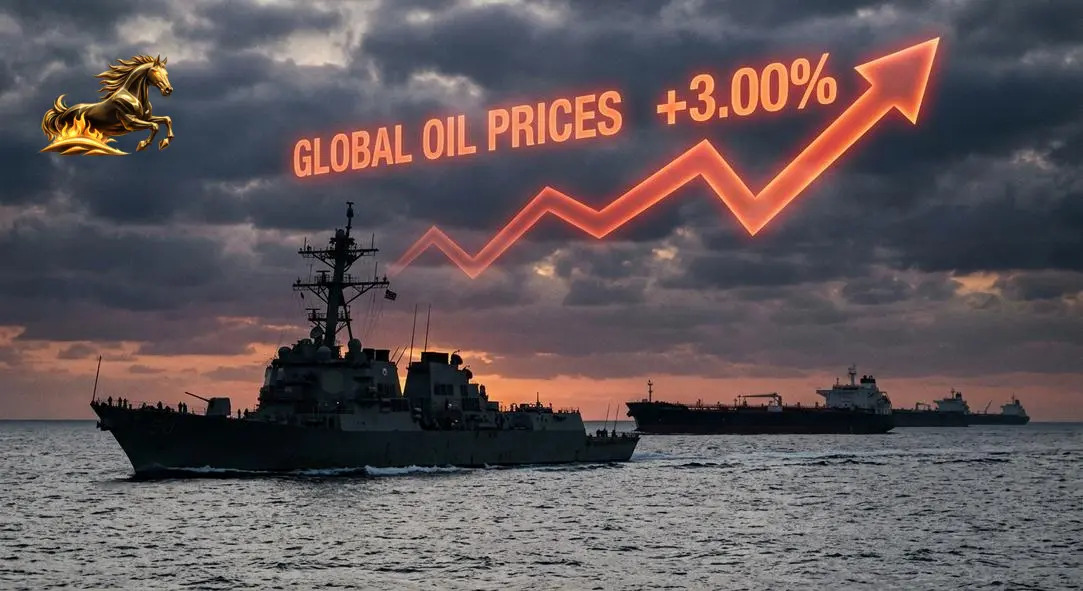
Iran Reports Missile Strike on US Warship, Oil Prices Surge Over 3% Amid Strait of Hormuz Tensions
Geopolitical flashpoints, especially in the Strait of Hormuz, have a unique power to disrupt oil markets—and the latest reports of a missile strike by Iran on a U.S. warship near this vital shipping lane have jolted crude oil prices upward by more than 3%. This sharp uptick highlights intensified concerns over energy security and the critical role the Strait plays in global oil supply chains.
In this article, we break down:
- The evolving details—and uncertainty—around the missile strike
- Why the Strait of Hormuz is a pivotal chokepoint for global oil flows
- What’s driving the recent oil price spike and what may come next
- Broader ripple effects on economies and markets worldwide
- Practical monitoring tips for investors and stakeholders navigating this volatile scenario
Incident Overview & Market Response
Reports that Iran launched missiles targeting a U.S. warship near the Strait of Hormuz initially triggered sharp price jumps in oil markets. Yet, with conflicting accounts—some U.S. sources deny damage—the situation remains fluid. This uncertainty often sparks immediate market moves driven less by confirmed facts and more by risk perception.
Why do disputed reports move markets so strongly? Because the Strait of Hormuz is a crucial artery for global energy trade, even hints of disruption raise alarm bells. Leading news outlets including Reuters and Trading Economics have documented this rapid price recalibration, capturing how fear and doubt collide to reshape supply risk premiums.
Bottom line: Markets often price in worst-case risks ahead of verified outcomes in crisis settings.
The Strait of Hormuz: Global Energy’s Critical Chokepoint
The Strait of Hormuz is not just any maritime passage—it’s the bottleneck through which nearly 20 million barrels per day of crude and petroleum products flow, according to the U.S. Energy Information Administration (EIA). This narrow corridor connects Middle Eastern oil producers with global consumers, making it indispensable.
Key reasons why Hormuz matters so much:
- Limited Alternatives: There are virtually no viable large-scale bypass routes available on short notice.
- Heightened Risk Sensitivity: Rising threat perceptions spike insurance and shipping costs even without physical blockades.
- Escalation Danger: Repeated incidents add risk premiums as traders brace for worsening supply interruptions.
In short, volatility in the Strait transforms swiftly into tangible price pressure.
Breaking Down the 3%+ Oil Price Jump
A surge of over 3% in oil prices signals rapid repricing—but it is not yet a full-blown supply crisis.
Price moves reflect two main forces at play:
- Risk Premium: Extra cost built into prices to hedge against potential future supply shocks.
- Fundamental Impact: Actual declines in oil production, exports, or shipment capacity.
Currently, markets are hedging the risk premium; confirmed supply losses have not emerged. Price moderation following initial jumps reinforces this idea.
What to watch: Shipping trends, insurance rates, and verified export data will clarify whether prices are tracking short-term fears or real disruptions.
Navigating Conflicting Reports & Market Volatility
Fast-developing geopolitical conflicts generate a “fog of war” with varied, often contradictory information—military statements, unofficial videos, and disputing narratives abound. This drives volatile markets prone to overshooting in either direction.
The best approach is focus on:
- Credible, independently verified news
- Observable market signals (shipping alterations, insurance hikes, port bottlenecks)
- Concrete indications of supply chain impacts—production, exports, refinery outputs
This helps sift genuine market risks from headline noise.
The Escalation Ladder: How Markets Gauge Risk
Markets tend to assess incidents on an escalation scale rather than single events:
- Rhetoric & Warnings: Cause temporary jitters, limited longer-term impact unless backed by action.
- Harassment & Near-Misses: Drone activity, electronic interference moderately raise risk costs.
- Confirmed Strikes on Maritime Assets: Trigger sharper price spikes and operational fallout.
- Sustained Throughput Disruption: Multi-day attacks create serious supply shortages.
- Full Blockade or Closure: Extremely rare, highest-impact scenario causing severe market upheaval.
Knowing current events’ place on this ladder helps anticipate market trajectories.
Shipping and Insurance’s Crucial Impact
Beyond oil production, rising shipping and war-risk insurance expenses immediately influence effective supply. Higher premiums and security costs increase transport prices and may reduce throughput capacity, even if production remains steady.
As recent reports from Reuters emphasize, tanker attacks can quickly escalate insurance costs from theoretical to operational concerns—intensifying price pressures.
Broader Economic & Market Effects
- Inflation: Higher fuel costs permeate transportation, food, and goods prices, pressing on consumer wallets and monetary policy.
- Equities: Energy stocks may outperform, while transport and risk-sensitive sectors face headwinds.
- Currency Moves: The U.S. dollar often strengthens amid risk aversion; oil exporters’ currencies may gain.
- Refining Margins: Disruptions can tighten gasoline and diesel supply, pushing up consumer prices directly.
The stakes extend broadly, highlighting the incident’s global economic significance.
Strategic & Policy Responses
Governments typically react with enhanced maritime security, strategic reserve releases, diplomatic efforts, and adjustments in spare production capacity—to calm markets and limit disruption amid uncertainty.
Who Faces Greatest Risk?
Import-dependent countries, transport and logistics sectors, and emerging markets with limited energy buffers are most vulnerable. Meanwhile, producers with diverse export routes or domestic supply resilience stand better positioned.
Impact on Consumers and Businesses
Households may soon face higher fuel and transport costs. Businesses should recalibrate supply chains and hedging tactics to buffer ongoing oil and freight price volatility. Keeping an internal dashboard for market cues helps stay ahead.
Common Investor Traps to Avoid
Two pitfalls prevail: chasing initial price spikes without substantive evidence and presuming escalating conflict equals prolonged supply crises. A balanced view accounts for various scenarios, noting many Hormuz episodes produce volatility without lasting disruption.
Key Signals to Monitor Next
- Shipping volumes and route shifts
- War-risk insurance premiums and charter rates
- Verified production and export statistics
- Official military and maritime notices
These inform whether market moves reflect transient jitters or deeper supply issues.
Historical Context & Final Thoughts
The Strait of Hormuz has long been a flashpoint with cyclical tension-price patterns. While the current episode fits this pattern, ongoing vigilance remains crucial to discern temporary flare-ups from lasting energy security shifts.
Frequently Asked Questions (FAQ)
- Did Iran actually strike a U.S. warship?
- Early reports are contested; markets move on risk perceptions as much as confirmed facts. Reliable source monitoring is key.
- Why do oil prices jump on disputed news?
- Because the Strait of Hormuz’s strategic role turns perceived threats into immediate risk premiums.
- Is a 3% price rise a crisis?
- No, it often signals uncertainty, not confirmed supply shortages.
- Who feels the impact first?
- Transport, consumers, and import-dependent economies typically bear early effects.
Takeaways to Remember
- The Strait of Hormuz is essential for global oil flow.
- Oil price jumps largely reflect added risk premiums, not confirmed supply losses.
- Shipping and insurance cost trends are vital early indicators.
- These tensions ripple across markets and economic spheres.
- Market moves often precede facts; cautious interpretation matters.
Staying Informed: Recommended Next Steps
- Follow trusted news and official updates live.
- Track oil prices beyond initial spikes for sustained risk signs.
- Watch shipping and insurance data closely for real-world impacts.
-
Review the EIA’s analysis of oil transit chokepoints here:
https://www.eia.gov/international/analysis/topics/world-oil-transit-chokepoints
Grounding your outlook in verified data helps navigate the complex, evolving landscape surrounding the Strait of Hormuz with confidence.
