
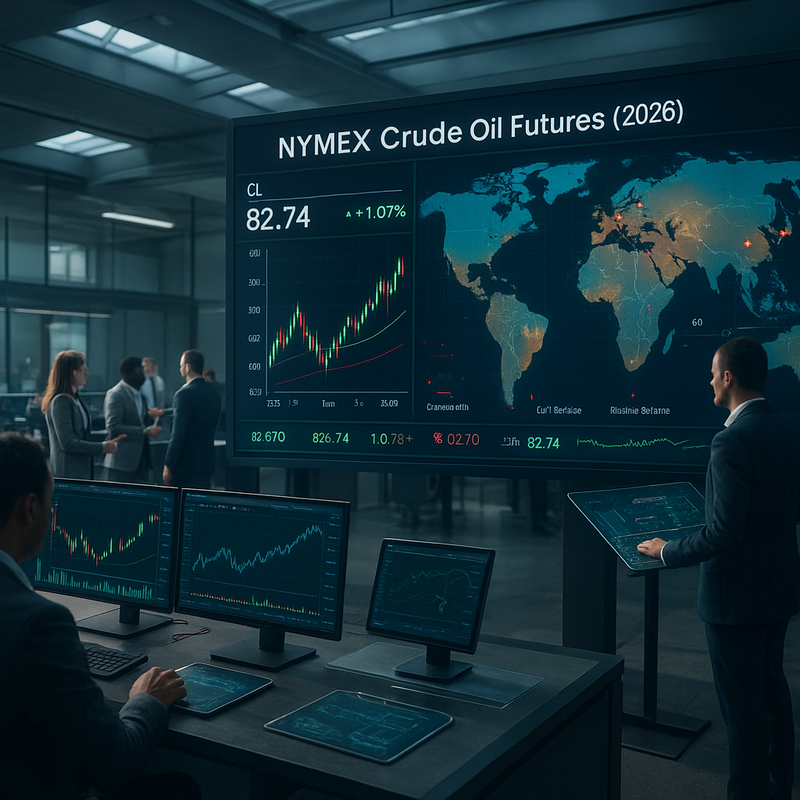
Crude NYMEX Live: Understanding the Market Dynamics in 2026
Introduction
Crude oil continues to be a cornerstone of the global economy, shaping everything from energy supply chains to international relations. As 2026 unfolds, crude oil trading on the New York Mercantile Exchange (NYMEX) is becoming increasingly complex, influenced by advancements in technology, evolving regulations, and shifting geopolitical landscapes. This blog delivers a clear, insightful overview of the current market dynamics, empowering investors, traders, and businesses with essential knowledge to engage effectively with the live crude oil market.
Why Crude Oil Remains a Vital Commodity
Crude oil’s importance goes well beyond fuel—it’s a critical economic driver, a geopolitical lever, and a key player in the ongoing energy transition. Here’s why crude oil remains crucial:
- Economic Impact: Oil price volatility affects inflation, GDP growth, and employment, which all ripple across global economies.
- Energy Transition Role: Even as renewables gain ground, crude oil still supplies essential energy, particularly for emerging markets and industrial sectors.
- Geopolitical Influence: Control over oil resources translates directly into international influence, making the crude oil market sensitive to conflicts and diplomacy.
These intertwined factors underscore the pivotal role crude oil plays across multiple arenas.
The Current Landscape of Crude Oil Trading in 2026
As of early April 2026, West Texas Intermediate (WTI) crude trades around $96.57 per barrel, with prices tracked on platforms like MarketWatch and Investing.com. To grasp these figures, understanding NYMEX’s trading instruments is key.
How NYMEX Works
NYMEX is a transparent and regulated marketplace facilitating the trading of crude oil futures and options:
- Futures Contracts: Agreements locking in the purchase or sale of crude oil at a set price on a future date, crucial for price discovery and risk management.
- Options Contracts: These provide the right—but not the obligation—to buy or sell crude oil at specified prices before expiry, allowing strategic flexibility.
Through these instruments, traders hedge risks, speculate on price movements, or secure their supply chains.
What Drives Live Crude Oil Prices?
Several dynamic factors influence the real-time pricing of WTI crude on NYMEX:
- Supply and Demand: Global production versus consumption remains the fundamental driver.
- Geopolitical Events: Conflicts, sanctions, and diplomatic shifts can instantly disrupt market confidence and supply availability.
- Economic Data: Indicators such as employment rates, GDP, and manufacturing output inform oil demand forecasts.
In 2026, ongoing tensions in Eastern Europe and the Middle East continue to add volatility, reflecting the global interconnectedness of crude oil markets.
Key Trends Shaping Crude Oil Prices in 2026
Understanding current trends helps investors anticipate market movements:
Technological Innovation
Cutting-edge technology is reshaping production and trading efficiencies:
- Advanced Enhanced Oil Recovery (EOR) techniques boost output from older fields, extending their productive life.
- Deployment of automation and AI-driven analytics enhances forecasting, allowing traders to make quicker, more precise decisions.
These innovations stabilize supply even amid shifting demand.
Environmental Regulations
Stricter climate policies impact costs and strategic planning:
- Implementation of carbon trading schemes incentivizes emission reductions, influencing operational decisions.
- Energy firms adopt sustainable practices despite added costs, which can be reflected in oil price structures.
Environmental considerations are now central to market dynamics, not just an afterthought.
Global Economic Recovery
Post-pandemic rebounds fuel rising oil demand:
- Revival in aviation and travel sectors spikes fuel consumption.
- Growth in manufacturing and logistics pushes industrial demand for oil derivatives.
This economic momentum highlights the importance of monitoring data alongside geopolitical developments.
Smart Investment Approaches for Crude Oil in 2026
Navigating crude oil’s volatility requires informed strategies:
Diversify to Mitigate Risk
Spreading investments offers stability:
- Energy-focused stocks provide exposure across the supply chain.
- Exchange Traded Funds (ETFs) grant broad market access without direct commodity trades.
- Futures contracts allow direct participation in price moves for hedging or speculation.
Diversification is key to managing fluctuating markets effectively.
Leverage Analytical Tools
Using data-driven techniques sharpens trading decisions:
- Technical analysis examines price trends and volumes to spot opportunities.
- Sentiment analysis gauges market mood influenced by news, social media, and geopolitical shifts.
Combining these tools with fundamental analysis can improve timing and accuracy.
Forecasting Crude Oil Prices: What to Watch
Price predictions hinge on several crucial factors:
- OPEC Output Decisions: Adjustments in production remain a major supply influencer.
- U.S. Shale Industry: Advances in extraction technologies impact overall global supply.
- Expansion of Renewables: Innovations in clean energy could gradually decrease oil demand over time.
While uncertainties abound, staying informed on these fronts is essential to anticipate market trends.
Real-World Examples: Industry Leaders Adapting in 2026
BP’s Renewable Pivot
BP’s strategy focuses on reducing fossil fuel output while investing heavily in renewable energy:
- This shift acknowledges evolving regulations and consumer priorities.
- It serves as a blueprint for balancing profitability with sustainability.
ExxonMobil’s Balanced Focus
ExxonMobil continues strong oil production while investing in natural gas and carbon capture technologies:
- This diversified portfolio addresses market demand and environmental impact concurrently.
- It illustrates evolutionary adaptation without abandoning core strengths.
These cases highlight the importance of flexibility and foresight amid a transforming energy landscape.
Conclusion
The NYMEX crude oil market in 2026 is shaped by an intricate interplay of technology, economics, and geopolitics. A clear understanding of these factors equips investors, traders, and businesses to make smarter decisions in this live market.
Key Takeaways
- Stay updated on technological advances and regulatory developments impacting production and pricing.
- Use diversified investment strategies to manage market volatility.
- Monitor geopolitical shifts and economic indicators closely, as they heavily influence supply and demand.
Next Steps
- Consult reputable sources like MarketWatch and the CME Group for data and forecasts.
- Utilize trading platforms offering live crude oil price tracking and analytical tools.
- Engage with experts through webinars and seminars to deepen your understanding.
By staying vigilant and adaptable, you can successfully navigate and capitalize on the opportunities within the live crude oil market in 2026.
