
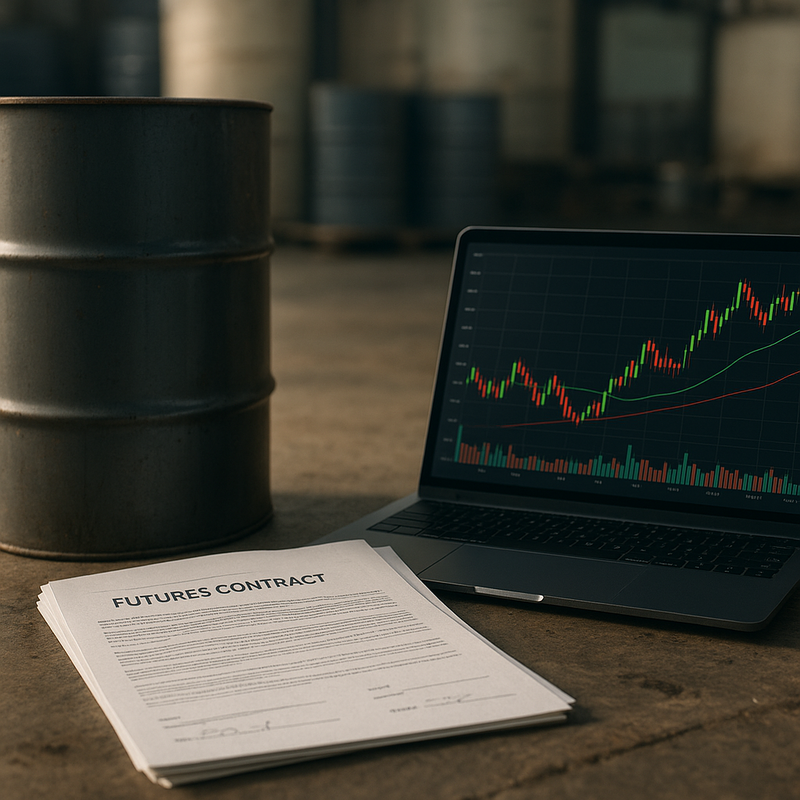
Understanding Oil Futures in 2026: Trends, Insights, and Predictions
As 2026 unfolds, the oil futures market sits at a crucial crossroads shaped by economic shifts, political developments, and environmental concerns. The fluctuations in oil futures not only impact investors but also reverberate across global economies and energy policies. This article breaks down the current state of oil futures, highlights the key forces steering its path, and offers practical insights for anyone aiming to navigate this intricate market landscape.
What Are Oil Futures?
In simple terms, an oil futures contract is an agreement to buy or sell a specific quantity of crude oil at a set price on a future date. These contracts are primarily traded on major commodities exchanges like the New York Mercantile Exchange (NYMEX) and the Chicago Mercantile Exchange (CME).
Why Oil Futures Matter
- Hedging: Producers and consumers use oil futures to lock in prices and protect themselves from sudden price swings.
- Speculation: Traders attempt to profit by predicting oil price changes, buying low and selling high.
- Liquidity: Oil futures markets are highly liquid, allowing quick entry and exit, which is essential for active trading.
This dynamic setup makes oil futures a vital tool for price discovery, reflecting real-time assessments of supply, demand, and risk.
Current Oil Futures Market Overview
As of early 2026, West Texas Intermediate (WTI) crude oil futures are hovering around $88 per barrel, demonstrating ongoing volatility amid changing global events. OPEC+ production decisions, U.S. shale output, and geopolitical tensions play significant roles in shaping these prices. The balance between recovering global demand after the pandemic and supply adjustments has kept prices firm above $80 per barrel in recent months.
Recent Price Movements
- Geopolitical turmoil—especially in the Middle East—has triggered sharp fluctuations in oil futures prices.
- Economic recoveries in major economies continue to boost demand, supporting upward price momentum.
Being aware of this current pricing environment is key to anticipating near-term oil futures movements.
Key Factors Influencing Oil Futures in 2026
Understanding oil futures demands a look at several interconnected factors:
1. Geopolitical Risks
Conflicts in major oil-producing regions can disrupt supply and inject uncertainty, often causing swift price spikes. For instance, escalated tensions in the Middle East tend to add risk premiums into futures pricing due to fears of supply shortages.
2. Supply and Demand Dynamics
- U.S. Production: Growth in shale oil extraction adds supply flexibility, tempering price surges but also complicating market balance.
- OPEC+ Coordination: OPEC+ remains pivotal in stabilizing prices through deliberate production adjustments, influencing short- and medium-term pricing trends.
3. Technological Innovation
Advancements such as enhanced hydraulic fracturing and precision drilling improve production efficiency and output. Meanwhile, AI-powered analytics and blockchain trading platforms boost market transparency and enhance traders’ forecasting accuracy.
4. Environmental Policies and Energy Transition
Increasing environmental regulations and a global pivot toward sustainability shift investments away from fossil fuels, fueling futures price volatility. The rise of renewable energy presents both challenges and strategic opportunities, creating uncertainty around long-term oil demand.
Case Studies Highlighting Market Impact
The Russia-Ukraine Conflict
This ongoing geopolitical conflict has altered energy supply routes and heightened demand for alternatives to Russian oil, triggering notable price surges as nations seek greater energy security.
U.S. Strategic Petroleum Reserve (SPR) Releases
To ease market volatility in 2026, the U.S. government’s strategic drawdowns from the SPR have offered temporary price relief, underscoring vulnerabilities in global supply networks.
Looking Ahead: Oil Futures Predictions for 2026
- Sustained Volatility: Rapid shifts in geopolitics and regulatory policies will keep prices unpredictable.
- Rising Retail Investor Participation: Growing access to digital trading platforms drives broader market involvement, influencing price behavior.
- Greater Focus on Alternative Energies: Increasing climate concerns will cap oil’s long-term price potential and gradually reshape demand patterns.
Practical Advice for Stakeholders
For Investors
- Stay updated with trusted financial news sources for timely geopolitical insights.
- Diversify your portfolio by including renewable energy assets to balance fossil fuel exposure.
For Businesses
- Implement strong hedging strategies to manage risks from sudden oil price changes.
- Invest in alternative energy and operational efficiencies to adapt proactively to the evolving energy landscape.
Conclusion
The oil futures market in 2026 reflects a complex interplay of geopolitical, technological, and environmental factors shaping global energy stability. Staying informed and flexible is essential for investors and businesses navigating these challenges and opportunities. With strategic planning and adaptability, stakeholders can position themselves to thrive amid ongoing market volatility and the transition to cleaner energy.
