
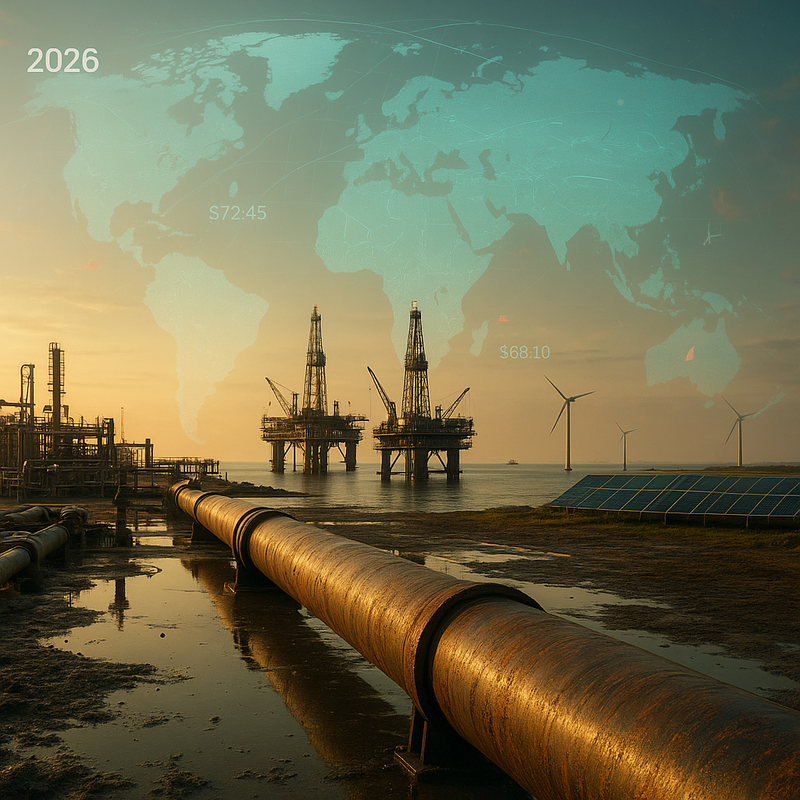
The Current State of the Oil Market
The Current State of the Oil Market in 2026: Trends, Challenges, and Insights
Introduction
As 2026 progresses, the global oil market stands at a critical crossroads, balancing rising energy demands with urgent climate considerations. Today’s oil prices no longer respond solely to traditional supply and demand but are increasingly influenced by geopolitical tensions, progressive climate policies, and breakthrough technological advancements reshaping the global energy landscape. Whether you’re an investor seeking new opportunities, a business managing fluctuating energy costs, or a consumer curious about market trends, a solid grasp of the current oil market trends and oil price factors is essential to stay ahead.
In this article, we’ll explore current oil prices, the main forces driving the market, emerging trends, and practical insights to help you navigate the evolving oil market dynamics in 2026.
Overview of Oil Prices Today
As of March 2026, crude oil prices reveal the market’s complex realities:
- West Texas Intermediate (WTI) crude holds steady around $90.66 per barrel.
- Brent crude trades near $92.17 per barrel.
These prices reflect ongoing geopolitical uncertainties, disruptions in supply chains, and the accelerating global pivot to renewable energy sources. The current oil prices encapsulate the tension between established fossil fuel consumption and the shift towards cleaner energy.
Historical Context: How We Got Here
Understanding today’s oil market requires recognizing key past events:
- Oil Price Volatility: Over the last decade, the oil market has faced shocks from geopolitical conflicts and sanctions on important producers like Iran and Venezuela, causing wide price swings.
- Impact of COVID-19: The pandemic depressed global demand due to travel bans and lockdowns, sending prices plummeting in 2020. As economies reopened unevenly, volatility persisted.
- Energy Transition: Growing adoption of renewables and battery technologies, particularly in transportation, has altered oil demand patterns and introduced complexities for producers and consumers alike.
These factors explain the sustained volatility and transformative momentum shaping today’s oil market.
Key Factors Impacting Today’s Oil Prices
1. Geopolitical Instability
Ongoing unrest in key oil-producing regions, especially in the Middle East, continues to drive price fluctuations. Political risks and sanctions on oil-rich countries create supply uncertainties that elevate prices.
2. Supply and Demand Dynamics
- Supply Chain Challenges: Refinery shutdowns, adverse weather, and logistics hurdles intermittently reduce oil output and refining capacity, fueling price swings.
- Rising Demand in Emerging Markets: Accelerated industrialization and transportation growth in nations like India and parts of Africa contribute to sustained oil consumption increases.
3. Technological Advancements
- Hydraulic Fracturing and Horizontal Drilling: These innovations unlock new reserves, especially in the U.S., impacting global supply and prices.
- Carbon Capture and Storage (CCS): Expanding CCS technology helps oil producers mitigate emissions in response to toughened climate regulations, supporting continued production while addressing environmental concerns.
4. Regulatory Changes and Climate Policies
Stringent environmental policies—carbon pricing, net-zero commitments, and renewable subsidies—shape demand and supply:
- Carbon Pricing: Increasing costs on fossil fuel emissions disincentivize oil consumption.
- Renewable Incentives: Government support for renewables and EV infrastructure reduces oil reliance, signaling long-term shifts.
Trends to Watch in the Oil Market
1. Accelerated Renewable Energy Adoption
Countries worldwide are boosting investments in wind, solar, and clean energy projects, with major oil companies diversifying accordingly, signaling a redefinition of their future roles.
2. Persistent Market Volatility
Geopolitical unpredictability and uneven economic recoveries ensure oil price volatility remains a key feature, demanding vigilant market monitoring.
3. Rising Influence of Electric Vehicles (EVs)
The fast-growing EV market challenges traditional oil demand by cutting gasoline consumption, prompting oil companies to explore new sectors like charging infrastructure and battery tech.
4. Continued Robust Oil Production
Despite green energy gains, oil stays strategically vital for energy security and industrial growth, with production levels expected to meet demand amid the transition.
Strategies for Navigating the Oil Market
Success hinges on adaptability and awareness:
- Stay Informed on Geopolitics and Policy: Track global events and regulatory changes impacting supply and costs.
- Diversify Investments: Blend renewable energy assets with traditional oil holdings to manage risk and align with evolving market trends.
- Harness Data and Analytics: Use advanced tools to optimize energy usage and respond effectively to price movements.
Conclusion
The oil market in 2026 is shaped by historical legacies, geopolitical tensions, technological innovations, and decisive climate actions. Current spot prices around $90 for WTI and $92 for Brent underline the delicate balance between supply challenges, shifting demand, and global decarbonization efforts.
Thriving in this environment requires a nuanced understanding and strategic agility. Technology advancements, policy evolution, and consumer shifts will define the oil market’s future trajectory — making informed, proactive engagement essential for all stakeholders.
For continuing updates and in-depth analysis of oil price trends and market forces, trusted resources like OilPrice.com, Bloomberg Energy, and Trading Economics offer invaluable guidance.
This comprehensive overview equips you to confidently understand and navigate the complex, evolving global oil market in 2026.
