
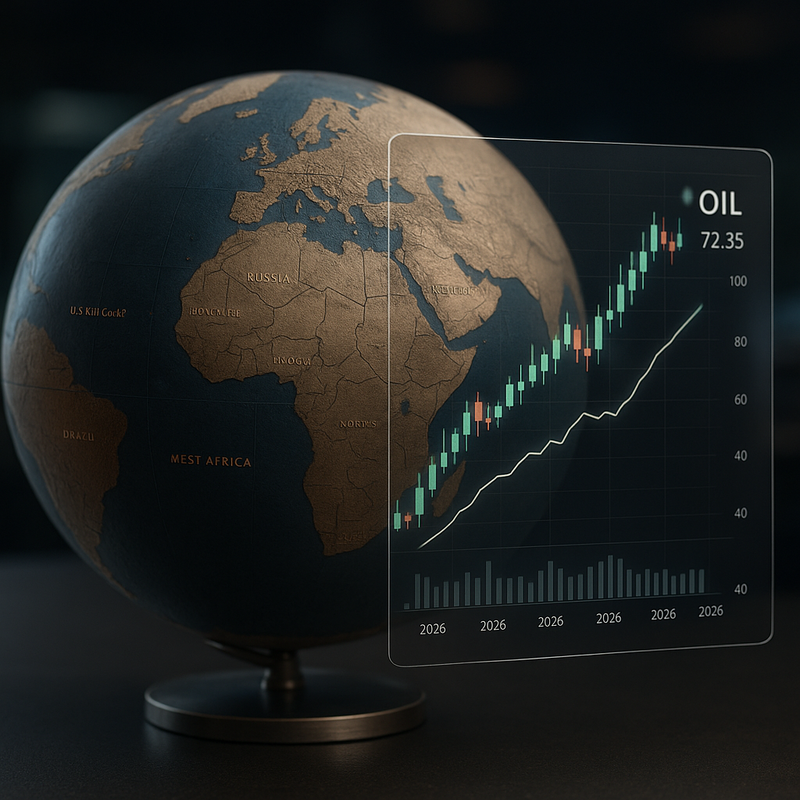
Understanding Live Oil Charts: A Detailed Guide to Oil Price Trends and Market Movements in 2026
Introduction
The global oil market remains at the heart of the world economy, shaping everything from transportation costs to geopolitical strategies. For investors, businesses, and consumers alike, keeping a close eye on oil prices is essential for informed decision-making. As 2026 progresses, the importance of tracking live oil charts has grown significantly. These charts provide a real-time glimpse into market fluctuations driven by complex forces such as geopolitical tensions, supply changes, and environmental regulations. This article explores live oil charts in depth—what they are, how to interpret them, and their broader impact on today’s dynamic energy landscape.
What Are Live Oil Charts?
Live oil charts are vital graphical representations showing the real-time price movements of crude oil over various timeframes. They are indispensable tools for market participants who need immediate insights into supply-demand dynamics and to anticipate upcoming price shifts.
Types of Oil Charts
- Line Charts
Depict simple, continuous lines reflecting closing prices over time, making it easy to spot long-term trends and directional shifts. - Candlestick Charts
Offer detailed views showing opening, closing, high, and low prices within specific periods—perfect for technical traders analyzing market patterns. - Bar Charts
Similar to candlesticks but use bars to display price ranges and closing values, facilitating straightforward daily price comparisons. - Moving Averages
Smooth out short-term fluctuations to highlight dominant trends, helping forecast future price movements more reliably.
Why Track Live Oil Charts?
Monitoring live oil charts matters because they help you:
- Gauge Market Sentiment: Capture how traders view current and future market conditions.
- Make Timely Decisions: Access up-to-the-minute price data to optimize trade entries and exits.
- Spot Trends Early: Detect emerging price patterns that inform strategic risk management and investment growth.
- Manage Risk: Enable businesses to hedge effectively against unfavorable price swings, safeguarding profits.
Grasping various oil chart types provides a strong foundation for analyzing the multifaceted oil market in 2026.
Key Factors Shaping Oil Prices in 2026
Several intertwined elements continue to influence oil price fluctuations this year, demanding close observation.
Geopolitical Tensions
Crises in critical oil-producing regions often disrupt supply chains, triggering volatility. In 2026, the Middle East, the ongoing Russia-Ukraine conflict, and sanctions on Venezuela remain focal points impacting global supply stability.
Global Supply and Demand Dynamics
- OPEC Production Adjustments: OPEC’s decisions on output levels directly sway global oil supply and price.
- Economic Recovery: Post-pandemic growth increases energy demand across emerging and developed markets, pushing prices upward.
Technological Innovation
Breakthroughs in extraction methods like hydraulic fracturing and advances in renewable energy technologies are reshaping the supply-demand balance in oil markets.
Environmental Policies
With governments implementing stricter climate regulations and carbon-neutral commitments, shifts in fossil fuel dependency are reshaping demand and influencing pricing trends for 2026 and beyond.
Awareness of these factors helps market participants anticipate price movements and adjust strategies accordingly.
How to Read and Analyze Live Oil Charts Effectively
Analyzing oil charts requires a structured approach:
Step 1: Choose the Right Timeframe
Select a timeframe—from minutes to months—that aligns with your trading style. Short-term charts suit active traders, while long-term charts benefit investors tracking broader trends.
Step 2: Recognize Chart Patterns
- Uptrend: Series of higher highs and higher lows, indicating bullish momentum.
- Downtrend: Series of lower highs and lower lows, signaling bearish sentiment.
- Range-bound: Prices fluctuate within a set range, showing market indecision.
Step 3: Use Technical Indicators
- Moving Averages (MA): Identify trend direction and potential reversals.
- Relative Strength Index (RSI): Detect overbought or oversold conditions to anticipate corrections.
- Bollinger Bands: Measure volatility and signal possible breakout points.
Combining these tools enhances your understanding of price behavior and improves trading accuracy.
Top Platforms to Monitor Live Oil Prices in 2026
Reliable platforms are essential to track live oil prices effectively. Here are some trusted options:
TradingView
Offers advanced, customizable charting tools favored by both beginners and pros alike.
Explore TradingView Oil Charts
Investing.com
Delivers comprehensive market data, live oil charts, and expert analysis for a complete market overview.
Visit Investing.com Crude Oil
OilPrice.com
Specializes in energy markets with up-to-date information on multiple crude blends and breaking news.
Check OilPrice.com
Macrotrends
Provides detailed historical data and interactive charts suitable for deep analysis.
View Macrotrends Oil Prices
Leveraging these platforms ensures timely, accurate access to live oil prices essential for navigating volatility.
Insights from 2025: Case Studies
Geopolitical Events and Market Impact
The 2025 spike in crude prices amid Middle Eastern instability highlighted oil markets’ sensitivity to geopolitical risks. Market participants using live oil charts were better positioned to manage risk and capitalize on price swings.
Impact of Renewable Energy Policies
Regions advancing carbon neutrality goals saw shifting oil consumption patterns, influencing market responses and underscoring the need to factor environmental policies into price forecasting.
These cases demonstrate how integrating live data with broader market contexts enhances decision-making.
What This Means for Stakeholders
Investors
Mastering live oil chart analysis opens doors to identifying profitable opportunities, managing risk, and aligning portfolios with evolving market trends.
Businesses
Companies reliant on oil benefit from understanding pricing trends for effective budgeting, procurement, and contract negotiations, strengthening operational resilience.
Consumers
Staying informed about oil price movements helps consumers anticipate changes in fuel and product costs, enabling smarter budgeting.
Each group gains distinct advantages by engaging actively with live oil data, affirming the critical role of oil chart literacy.
Conclusion
In 2026, the ability to interpret and utilize live oil charts is indispensable for anyone impacted by oil market dynamics. With numerous variables influencing prices daily, accessing real-time data and employing sound analysis improves decision-making for investors, businesses, and consumers alike. As the oil market continues to evolve, maintaining a strong connection to these analytical tools is key to navigating uncertainties and seizing new opportunities.
Key Takeaways
- Live oil charts provide critical insights into price fluctuations and market trends.
- Price movements are driven by geopolitical events, supply-demand shifts, technological advances, and environmental regulations.
- Regularly monitoring and analyzing live data empowers stakeholders to respond proactively to market changes.
Next Steps
- Incorporate trusted platforms like TradingView and Investing.com into your routine for consistent live price monitoring.
- Deepen your knowledge of market drivers and chart-based analysis techniques.
- Evaluate how oil price movements impact your financial or operational decisions regularly.
For continuing updates and expert insights, visit Investing.com and TradingView. Staying informed is essential for confidently navigating the complexities of the 2026 oil market.
