
WTI Crude Oil: A Comprehensive Overview of Current Trends and Implications (2026)
Introduction
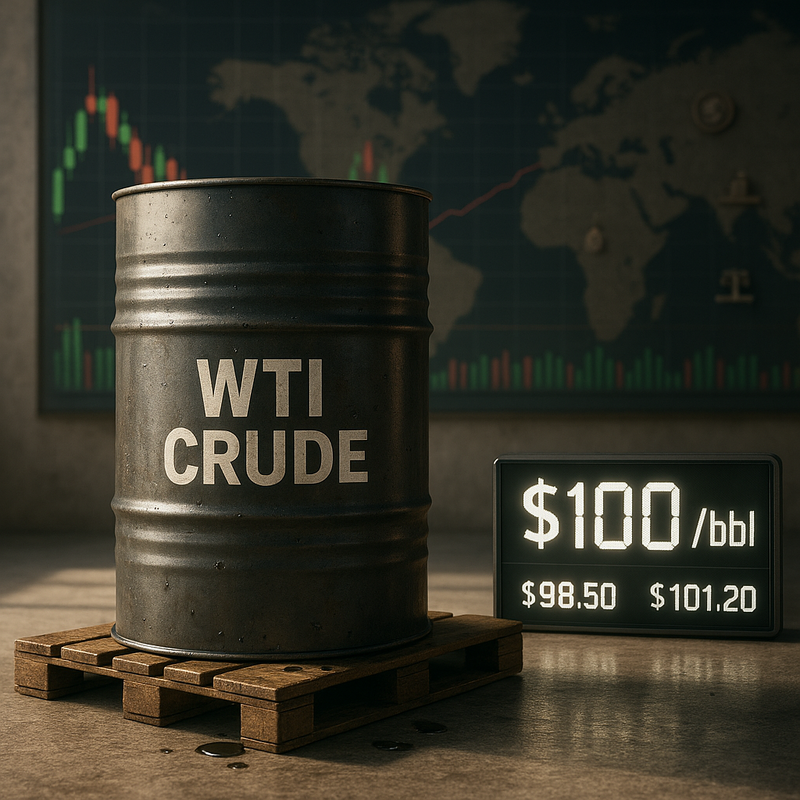
West Texas Intermediate (WTI) crude oil stands as a cornerstone commodity in the global energy landscape, serving as a vital pricing benchmark and economic indicator. As of March 23, 2026, WTI crude is priced at approximately $100.51 per barrel, reflecting ongoing shifts shaped by dynamic market forces, geopolitical tensions, and economic trends. Grasping these complexities is essential for consumers, businesses, and investors relying on accurate oil price forecasts and energy market insights.
In this article, we dive into the latest trends impacting WTI crude, explore its historical pricing context, analyze key influences shaping today’s market, and consider the future outlook and practical implications for oil prices.
Understanding WTI Crude Oil
What is WTI Crude Oil?
WTI is a premium crude oil, primarily sourced from U.S. oilfields, characterized by its “light” density and “sweet” low sulfur content. These qualities make it highly suitable for refining into gasoline and other valuable petroleum products. Traded on the New York Mercantile Exchange (NYMEX), WTI serves as a crucial price reference not only across the U.S. but also globally.
Its Role in the Global Oil Market
While rooted in the U.S., WTI impacts international markets by providing a transparent, liquid benchmark against which other crude oils, such as North Sea Brent, are compared. Its price encapsulates the delicate balance of global supply and demand, influenced by production levels, geopolitical stability, and economic growth.
Key point: WTI is more than a domestic oil marker—it’s a fundamental gauge in global energy markets, making its price movements critical worldwide.
Current Market Conditions and Price Analysis
As of today, WTI crude oil opened at $100.51 per barrel, fluctuating between a low of $84.37 and a high of $101.67, marking a 7.25% decline from the previous close of $98.23. This volatility signals ongoing market recalibrations following recent price peaks. Over the last 52 weeks, WTI prices have ranged from $54.98 to $119.48, underscoring persistent price sensitivity within the oil sector.
Day’s Trading Snapshot:
- Opening Price: $100.51
- Day Low: $84.37
- Day High: $101.67
- Previous Close: $98.23
- Price Change: -$7.12 (-7.25%)
Historical Perspective
Placing today’s prices in context, the COVID-19 pandemic in 2020 saw unprecedented volatility, including a historic dip of WTI prices into negative territory due to collapsing demand and storage constraints. Since then, recovery has been driven by global economic reopening, strategic OPEC+ supply management, and persistent geopolitical uncertainties.
Takeaway: WTI prices remain volatile yet resilient, reflecting the interplay of recovery efforts, supply factors, and shifting global economic conditions.
Key Factors Influencing Current WTI Prices
1. Geopolitical Developments
Fluctuations in U.S.-Iran relations, shifts in oil-producing regions’ policies, and conflicts in key areas fuel market volatility, affecting supply chains, production quotas, and investor confidence.
2. U.S. Domestic Production
An increase in shale oil extraction has doubled U.S. output, impacting global supply dynamics. Current production stabilization provides market balance but limits sharp supply-driven price swings.
3. Global Economic Recovery
Revitalization of manufacturing, transportation, and travel worldwide propels oil demand upward, driving prices higher.
4. Inflation and Currency Movements
A weaker U.S. dollar typically elevates crude oil prices for international buyers, boosting demand. Meanwhile, inflation affects costs throughout the oil supply chain, indirectly influencing prices.
5. Environmental Policies and Renewable Energy Trends
Mounting focus on sustainability and clean energy policies creates uncertainty for fossil fuel demand, potentially impacting investments and long-term pricing.
Summary: WTI prices sit at the intersection of geopolitical risk, balanced domestic production, economic momentum, monetary influences, and the energy transition shaping market direction.
Future Outlook: Predictions and Considerations
1. Persistent Geopolitical Volatility
Ongoing global tensions could trigger supply fears and price spikes.
2. Economic Growth Indicators
Strong global economic performance supports sustained demand; slowdown signals may ease price pressures.
3. Growth in Renewable Energy Investments
As renewables increase their market share, traditional oil demand could plateau or decrease over time, introducing long-term uncertainties.
4. Technological Advances in Oil Extraction
Improved extraction technologies lowering costs or unlocking new reserves may boost supply, counteracting demand-driven price rises.
Insight: Staying attuned to geopolitics, economic trends, energy policies, and technology is key to navigating the future WTI crude oil market.
Implications for Consumers and Businesses
Fluctuating WTI crude prices directly influence the cost of gasoline, heating oil, and other energy expenses for households and enterprises. Sectors reliant on oil—transportation, manufacturing, logistics—must continuously adapt purchasing and pricing strategies along with risk management to maintain competitiveness.
Key points:
- Current WTI prices near $100 per barrel emphasize market volatility.
- Multiple external factors ensure ongoing price uncertainties.
- Understanding these dynamics is crucial for effective financial and operational planning.
Conclusion
WTI crude oil remains a pivotal indicator of global energy conditions, shaped by a complex web of production trends, geopolitical events, economic developments, and environmental policies. As 2026 advances, staying informed about these evolving factors is essential for businesses, investors, and consumers alike.
Regularly consulting trusted sources such as
OilPrice.com and
MarketWatch will empower smarter decisions in this ever-changing market.
In energy markets, knowledge is power — and staying informed is your best strategy to adapt and succeed.
