
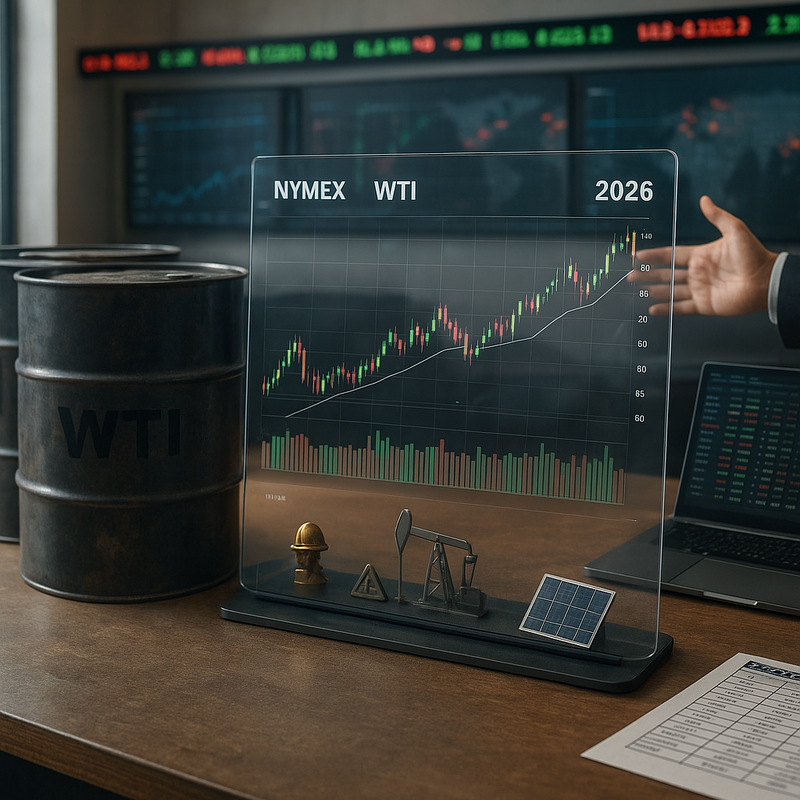
The Complete Guide to NYMEX WTI Futures in 2026
Introduction
WTI (West Texas Intermediate) crude oil futures, traded on the New York Mercantile Exchange (NYMEX), remain at the heart of the global energy market. These futures contracts are essential not only for traders and investors but also for industries that depend heavily on oil pricing. As we move through 2026, having a clear understanding of how NYMEX WTI futures function alongside shifting market dynamics is more important than ever. This comprehensive guide unpacks the fundamentals of WTI futures, highlights the major factors influencing them this year, and offers practical strategies to navigate this crucial commodity market.
Why NYMEX WTI Futures Matter
Serving as one of the leading U.S. crude oil benchmarks, WTI futures are indispensable for price discovery and effective risk management. In volatile markets, these contracts offer a powerful way to hedge against price swings and enable speculation on oil price directions. With ongoing geopolitical challenges, rapid moves toward renewable energy, and evolving regulations shaping the oil sector in 2026, NYMEX WTI futures stand out as an essential tool for anyone engaged with energy markets or commodity trading.
Understanding NYMEX WTI Futures
What Are NYMEX WTI Futures?
NYMEX WTI futures are standardized contracts obligating the purchase or sale of 1,000 barrels of light sweet crude oil at a set price on a future date. This standardization fosters liquidity and transparency, empowering market participants to manage price risks or speculate confidently.
Key Features
- Contract Size: 1,000 barrels of crude oil per contract
- Settlement: Cash settlement, reflecting the difference between the futures price and the spot price at expiration
- Trading Hours: Nearly 24 hours a day, 5 days a week, to serve global traders
- Expiration Date: Generally, contracts expire three business days before the 25th day of the month preceding delivery
While historically linked to physical delivery, today’s WTI futures predominantly serve financial risk management purposes. The unprecedented price plunge below zero in 2020 underscored just how volatile and nuanced this market can be.
Market Dynamics Impacting NYMEX WTI Futures in 2026
Geopolitical Tensions
Ongoing conflicts and political decisions in oil-producing regions continue to disrupt supply chains. In 2026, these geopolitical tensions and international sanctions heavily influence WTI futures pricing and market volatility.
Transition to Renewable Energy
Global efforts to cut carbon emissions are altering energy demand patterns. Policies advancing renewable energy and sustainability initiatives challenge oil’s market share, impacting long-term demand forecasts and WTI futures prices.
Economic Conditions
Economic indicators such as GDP growth, inflation rates, and consumer spending in key markets like the U.S., China, and the EU directly shape oil consumption. Economic performance throughout 2026 remains a critical factor in determining crude oil demand and WTI price movements.
Technological Developments
Innovations in extraction techniques, especially shale oil production, continue to influence U.S. oil output and global supply-demand balances, adding complexity to price predictions for WTI futures.
Regulatory Environment
Market regulations designed to enhance transparency and promote sustainability affect trading behaviors and can impact liquidity and price discovery within the futures markets.
Trading Strategies for NYMEX WTI Futures
Hedging
Oil producers and consumers use futures contracts to lock in prices, effectively managing risks and stabilizing revenues and costs amid volatile markets.
Speculation
Traders leverage technical analyses and market sentiment to speculate on price fluctuations, seeking short-term gains.
Spread Trading
By simultaneously buying and selling different futures contracts, traders manage risk and capitalize on price differences between contract months or crude grades.
Options on Futures
Options offer strategic flexibility, providing the right—but not the obligation—to buy or sell futures contracts, allowing sophisticated risk management techniques.
Analyzing Current Trends in WTI Futures
Market Sentiment Indicators
- Inventory Levels: Changes can reveal supply-demand imbalances. Rising inventories often indicate oversupply, pressuring prices downward.
- Rig Counts: Increasing rig counts usually signal higher production, influencing futures pricing and market expectations.
- Economic Data: Growth rates and consumer trends inform demand forecasts and market sentiment.
Technical Analysis
Indicators such as moving averages, RSI (Relative Strength Index), and chart patterns help traders interpret price trends, identify entry and exit points, and anticipate potential reversals.
Conclusion
NYMEX WTI futures remain an indispensable instrument for trading and hedging in the complex and evolving 2026 energy environment. Understanding their core mechanics and staying informed about the multiple factors driving their pricing empowers market participants to make smarter, more confident decisions.
Key Takeaways
- Master the contract structure and trading environment
- Stay alert to geopolitical, economic, technological, and regulatory developments
- Choose trading strategies that align with your risk profile and market outlook
Next Steps
Enhance your engagement with NYMEX WTI futures by exploring specialized trading platforms, attending educational workshops, and utilizing reliable market data sources like CME Group and MarketWatch. Continuous learning and market vigilance are vital to thriving in today’s dynamic commodities market.
