
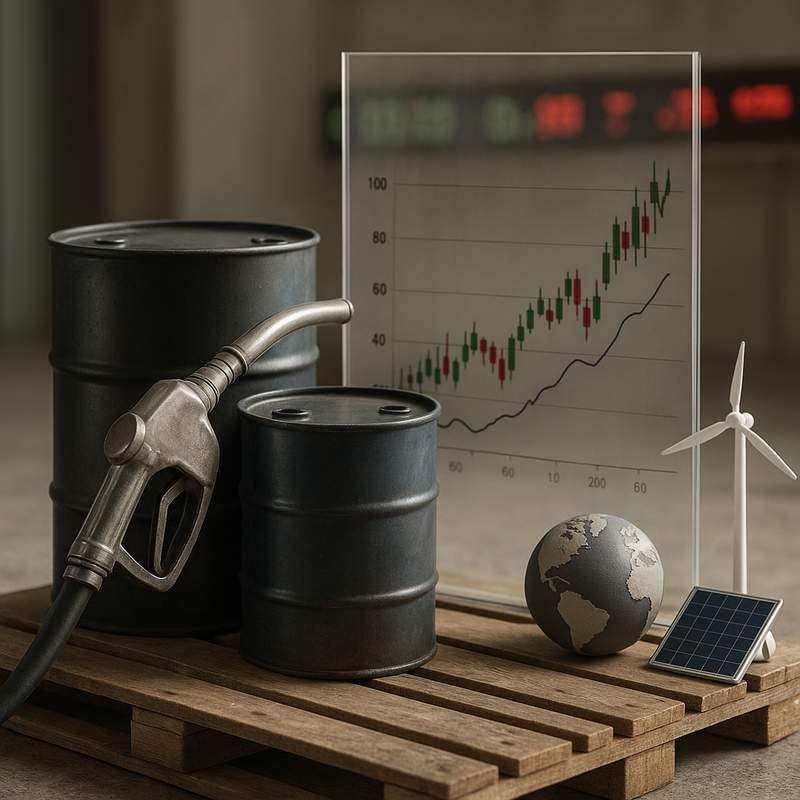
The Future of Petrol Pricing: Understanding Petrol Rates
The Future of Petrol Pricing: Understanding Petrol Rates per Barrel in 2026
Introduction
Petrol pricing continues to be a crucial issue affecting economies and consumers worldwide. As we approach 2026, the factors influencing petrol rates per barrel have grown increasingly complex. From shifting global demand and geopolitical uncertainties to the accelerating move toward renewable energy, understanding how petrol pricing works is more important than ever. Whether you’re an industry expert, policymaker, or everyday consumer, grasping these dynamics allows you to make informed decisions in a constantly evolving market.
This article delves into current trends, historical context, and future outlooks for petrol rates per barrel in 2026. Our goal is to provide a clear, practical guide to the forces shaping petrol prices today and what to expect moving forward.
Historical Context of Petrol Pricing
The Evolution of Oil Prices
To understand where petrol pricing stands now, it’s vital to look back at past trends. Crude oil prices have been notably volatile over recent decades. For instance, in 2001, crude oil traded around $18 per barrel. This price surged dramatically to over $140 per barrel by mid-2008 before crashing during the global financial crisis. These sharp swings highlight the inherent instability in global oil markets.
Key Events Shaping Oil Prices
Several critical events have influenced petrol prices over the years:
- OPEC Production Decisions: The Organization of the Petroleum Exporting Countries (OPEC) wields significant influence by regulating production. For example, in 2014, OPEC maintained high output levels, triggering a steep price drop.
- Geopolitical Tensions: Conflicts and sanctions involving major oil producers—such as the Iraq War and sanctions on Iran—have caused sudden supply disruptions and price swings.
- Natural Disasters: Events like Hurricane Katrina in 2005 disrupted Gulf of Mexico production, underscoring how environmental factors can impact market stability swiftly.
Understanding these past drivers helps us better interpret current petrol pricing dynamics.
Petrol Rates in 2026: Current Standing
As of early 2026, petrol prices reflect a balance between global economic recovery and ongoing uncertainties. Brent crude is priced at approximately $78.48 per barrel, while West Texas Intermediate (WTI) comes in slightly lower at $71.23 per barrel. These levels represent a recovery from past lows but continue to reveal market volatility (source).
Factors Influencing Current Petrol Rates
Several key elements shape petrol prices today:
- Global Demand Fluctuations: Changes in consumer habits, such as increased adoption of electric vehicles (EVs), and varying economic growth, especially in large markets like China, affect petrol demand.
- Geopolitical Factors: Political unrest and diplomatic shifts in oil-producing regions frequently disrupt supply chains and cause price swings.
- Regulatory Measures: Environmental policies targeting carbon emissions introduce new costs and uncertainties in petrol production and use.
- Transition to Renewable Energy: Growing reliance on renewable energy gradually alters traditional petrol demand, creating structural shifts in the market.
Market Illustration
In 2025, when OPEC announced cuts in oil production amid weakening demand forecasts, petrol prices responded immediately with increases. Data from the U.S. Energy Information Administration (EIA) illustrates how closely tied production decisions remain to market movements—a vivid example of supply-demand dynamics.
Projections for Petrol Prices in 2027 and Beyond
Economic Indicators to Watch
Moving ahead, petrol prices will likely react to several economic signals:
- Inflation Trends: Rising inflation can increase production and distribution costs, pushing prices upward.
- Consumer Confidence and Economic Growth: Strong economies typically drive up fuel demand.
- Technological Advances: Innovations in drilling and extraction efficiency may lower costs, helping to temper price hikes.
Possible Scenarios
- Best-Case: With geopolitical stability and a smooth energy transition, prices could stabilize or gradually decline as alternatives reduce petrol dependency.
- Worst-Case: Renewed conflicts, supply disruptions, or major environmental disasters could send prices soaring, reminiscent of past crises.
Implications for Consumers and Businesses
Consumer Impact
Petrol price fluctuations directly affect transport, heating, and goods costs. Significant price hikes often prompt consumers to change spending habits and accelerate transitions to sustainable transport options.
Business Adaptations
Companies reliant on fuel, especially in logistics and manufacturing, adapt by:
- Diversifying Fleets: Integrating fuel-efficient and electric vehicles to reduce exposure to fuel price swings.
- Hedging Fuel Costs: Employing financial strategies to lock in prices and manage risks.
Environmental Considerations
As sustainability efforts intensify, petrol consumption decisions increasingly factor in environmental impact. Policies encouraging reduced fossil fuel use and investments in green technology are expected to grow stronger.
Conclusion
Navigating petrol pricing in 2026 demands an understanding of diverse factors—from historical trends and geopolitics to economic indicators and technology advances. The accelerating shift toward renewable energy adds complexity, posing both challenges and opportunities for consumers, businesses, and governments alike.
Key Takeaways
- Petrol prices in early 2026 stand near $78.48 per barrel for Brent and $71.23 for WTI.
- Historical events and geopolitical tensions remain central to price volatility.
- Regulatory changes and the transition to renewables are reshaping market demand.
- Economic trends will heavily influence whether prices stabilize or become more volatile.
Suggested Next Steps
Stay informed about energy market developments and seek expert guidance to manage petrol price risks effectively. Individuals and businesses should proactively explore energy-efficient technologies, strategic budgeting, and alternative fuels to prepare for future changes.
By enhancing our awareness and readiness, we can confidently navigate the evolving petrol pricing landscape in the years ahead.
